 Sony announces four new P-series Cyber-shots
By
Michael R. Tomkins, The Imaging Resource
(Monday, February 24, 2003 - 10:00 EST)
Sony Corp. has updated and extended its P-series Cyber-shot digital camera lineup with four new announcements today.
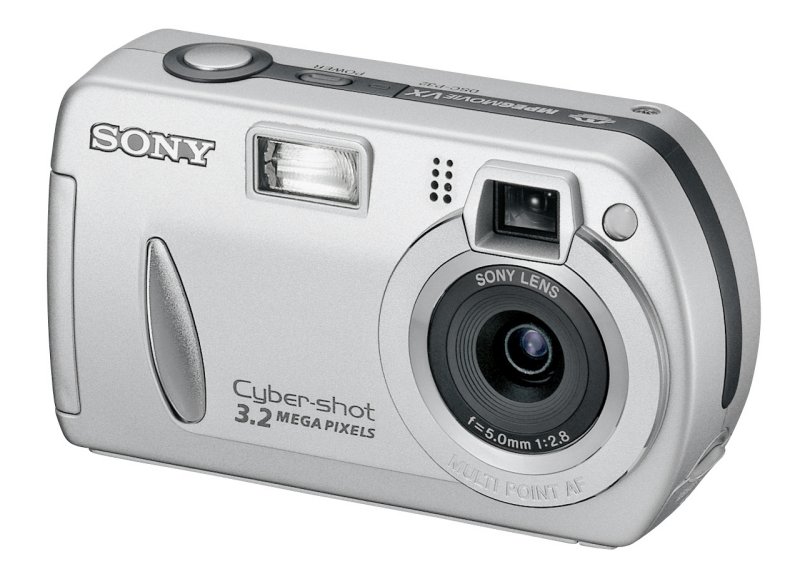
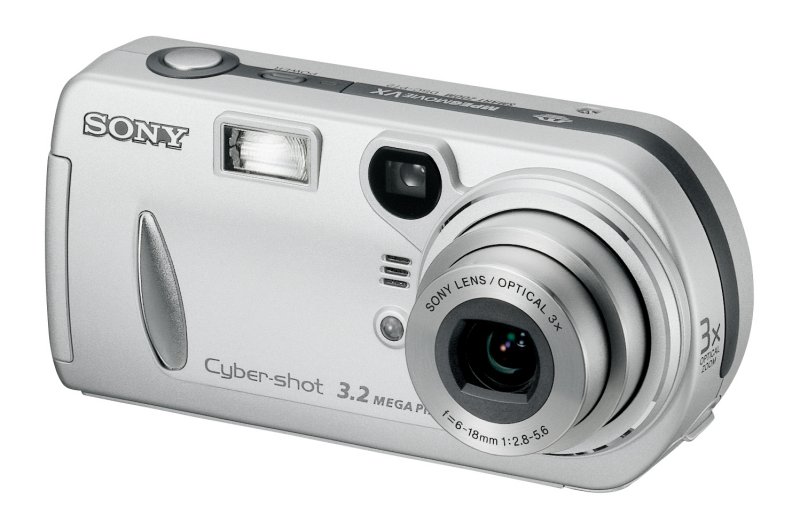
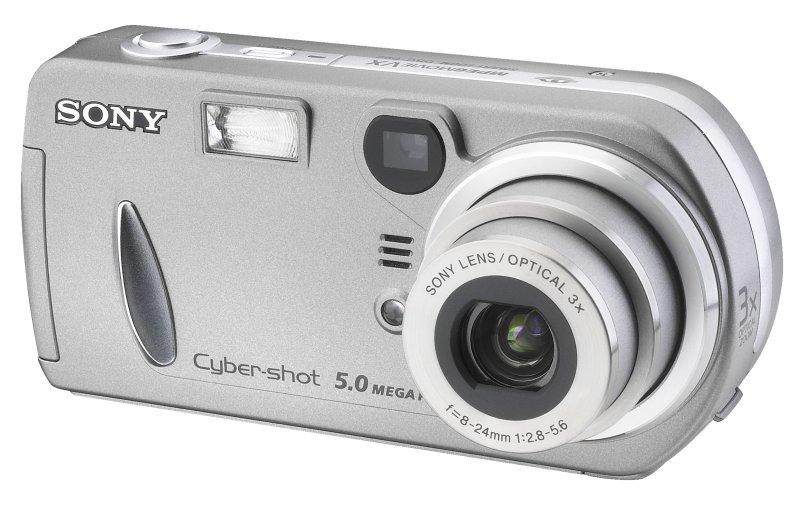
The Sony Cyber-shot DSC-P31, -P51 and -P71 are replaced by the -P32, -P52 and -P72 respectively. The new DSC-P92 fills out the top of the line, coupling five megapixel resolution with a 3x optical zoom; the other cameras have three megapixel sensors (1/2.7" for the -P32 / -P52, and 1/1.8" for the -P72). In a pre-launch interview, we were told that Sony believes three megapixels will prove to be the sweet spot for digicam resolution in 2003.
The most obvious difference in the three megapixel cameras is the lens choice - starting with a fixed focal length lens for the DSC-P32, a 2x optical zoom for the -P52, and a 3x optical zoom for the -P52. The -P52's lens is a fixed design, adding some 19mm to its thickness compared to the other cameras. The lens used in the -P72 and the higher-resolution -P92 - incidentally, the same lens that Sony selected for last year's DSC-P9 - retracts into the camera body when powered off.
The new P-series cameras all accept Sony's new Memory Stick PRO cards (taking advantage of the higher capacity, but not the access control or high-speed transfer), and support USB 2.0 for image transfer. (Note that a standard 16MB Memory Stick is bundled with the cameras, in place of last year's 8MB stick). Active focus points for the three-area AF are now shown on the LCD display, and the shutter lag and startup times have been reduced significantly. The user interface has been given a significant overhaul - controls being grouped on the right side of the camera (when viewed from the rear) to allow one-handed operation and more function being moved to buttons on the camera body rather than being hidden in menus. For example, images can now be deleted in playback mode, and the image size can be changed, without entering the menu. Another UI change is that you can now opt for a slow-sync flash through the menu, without needing to select a specific scene mode for slow-sync.
Two new scene modes (Beach and Snow) have been added, and influence both exposure control and white balance. A two-shot burst-mode has been added, and movie capabilities have been greatly extended. The best-quality movies are now 640 x 480 pixels at 16 frames per second, and there are now both a built-in microphone and speaker for audio recording and playback with movies. The cameras can also capture 5-second audio clips to accompany still images.
One other interesting change is that digital zoom has been removed from the record mode, and replaced with what Sony calls "Smart Zoom" - a function that doesn't interpolate the image, but instead seamlessly reduces image size to allow you to crop the image to a size that you want - discarding the portion that you're not interested in so that you don't waste valuable storage space. You can still interpolate the cropped image up - in effect replicating the old digital zoom feature - but this is now either accomplished at home on your PC, or in Playback mode. The Playback interpolation now goes up to 5x interpolation, where the old cameras offered only a 2x digital zoom. Whilst theoretically there's a potential advantage in performing interpolation before JPEG compression is applied to images, most users will find the benefits of a (very) slight quality gain to be outweighed by the wasted flash media space where other images could have been stored - so we applaud Sony for considering this, and allowing users to make the decision whether to interpolate in-camera or on their PC.
One final note is that whilst the cameras retain AA power instead of Sony's InfoLithium batteries, the supplied AA rechargeables are now 2100 mAh NIMH instead of 1750 mAh, and the charger is now a 7-hour device instead of 13-hour.
The DSC-P72 will be first to arrive in March, at a price of $329 and with wide availability planned for late March or early April. The DSC-P32 will arrive in the USA in late March, and be widely available in April at a cost of $229. The DSC-P52 will follow at a cost of $279 in early April, with widespread availability later the same month. Finally, the DSC-P92 will arrive in late May and be widely available in early June at a price of $499.
|
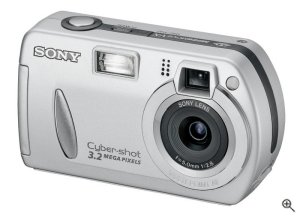
Sony Cyber-shot DSC-P32
|
|
|
Imaging Device |
1/2.7" 3.2 Megapixel Effective Super HAD™ CCD |
|
Recording Media |
Memory Stick® Media, Memory Stick PRO™ Media |
|
Zoom |
Fixed Focal Length 3.2X Smart Zoom (at VGA size) |
|
Filter Diameter |
N/A |
|
Focal Length |
5mm |
|
35mm Equivalent |
33mm |
|
Aperture |
f2.8 - 5.6 |
|
Focus |
3 Area Multi-Point AF, 5 Step Manual Preset |
|
Minimum Focus Distance |
3.9" (10 cm) |
|
Macro Mode |
Auto |
|
Shutter Speed |
Auto, 1/30 - 1/1000 sec, Twilight 2 sec - 1/1000 |
|
Manual Exposure |
±2.0 EV, 1/3 EV Steps |
|
Color LCD |
1.6" 61K Pixels Low Temperature Polysilicon TFT |
|
Flash Modes |
Auto / Forced On / Forced Off / Slow Synchro |
|
Red-Eye Reduction |
On / Off |
|
Flash Effective Range |
1.6 - 12.5 ft (0.5 - 3.8m) |
|
White Balance |
Auto, Daylight, Cloudy, Fluorescent, Incandescent |
|
Picture Effects |
Black & White, Solarize, Sepia, Negative Art |
|
ISO |
Auto, 100, 200, 400 |
|
Scene Modes |
Twilight, Twilight Portrait, Landscape, Beach, Snow |
|
Self Timer |
Yes, 10 Seconds |
|
Video Output |
Yes NTSC / PAL Selectable |
|
Still Image Modes |
JPEG (Fine/Std.), Burst, Email, Voice Memo |
|
MPEG Movie Modes |
|
MPEG VX (640x480, 16fps, with audio) |
|
MPEG Video Mail (160x112, 8 fps with audio) |
|
|
Clip Motion |
Normal (160x120), Mobile (80x72) |
|
Microphone / Speaker |
Yes / Yes |
|
USB Terminal |
Yes, Supports USB 2.0 |
|
Memory Stick PRO™ Media Compatibility |
Tested to support up to 1GB media capacity; does not support high speed transfer function; does not support Access Control security function |
|
Battery Type / Capacity |
NiMH AA, 2100 mAh rated |
|
Supplied Software |
Pixela™ Image Mixer Software for Sony v1.5, USB Driver SPVD-008 |
|
OS Compatibility |
Microsoft® Windows® 98 / 98SE / Me / 2000 Professional / XP Home / Pro; Macintosh OS 8.5.1 / 8.6 / 9.0 / 9.1 / 9.2 |
|
Supplied Accessories |
NH-AA-DA Rechargeable NiMH Batteries, BC-CS2 NiMH Battery Charger, A/V and USB Cables, Wrist Strap, MSA-16A 16MB Memory Stick® Media, Software CD-ROM |
|
Dimensions (W / H / D) |
4" x 2 1/4" x 1 5/16" (101 x 57.7 x 32.6mm) |
|
Weight |
7.9 oz (217g) (w/Battery, Memory Stick® Media, Strap) |
|
Additional Features |
-
2 Shot Burst Mode
-
Clear Color / Clear Luminance NR
-
MPEG1 Cue, Review and Divide
-
3:2 Aspect Ratio Mode
-
Video Output (PAL/NTSC Selectable)
-
4 Mode In-Camera Picture Effects
-
5 Step Manual Preset Focus
|
|
Optional Accessories |
-
ACC-3NP Starter Kit (AC-LS5, LCS-CP2, NH-AA-2DA, BC-CSQ)
-
NH-AA-2DA / 4DA Rechargeable NiMH Batteries (2pk/4pk)
-
AC-LS5 AC Power Supply
-
LCS-PEA Soft Carrying Case
-
LCS-CP2 General Carrying Case
-
LCS-CSB Sport Style Carrying Case
-
HVL-FSL1A External Slave Flash w/ Bracket
-
MSA-32A, MSA-64A, MSA-128A Memory Stick® media
-
MSA-128S2 Memory Stick® Media with Select Function (256MB total)
-
MSX-256, MSX-512, MSX-1G Memory Stick PRO™ Media
-
MSAC-HGA8 Memory Stick® Media Carrying Case
-
MSAC-US70 Memory Stick PRO™ Media USB Adaptor / Mouse
-
MSAC-US20 Memory Stick PRO™ Media USB Adaptor
-
MSAC-PC3 Memory Stick PRO™ Media PC Card Adaptor
-
VMC-14UMB Replacement USB Cable
-
VCT-MTK Travel Tripod
-
VCT-R640 Lightweight Tripod
|
|
.
|
|
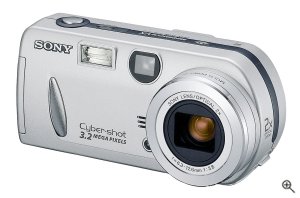
Sony Cyber-shot DSC-P52
|
|
|
Imaging Device |
1/2.7" 3.2 Megapixel Effective Super HAD™ CCD |
|
Recording Media |
Memory Stick® Media, Memory Stick PRO™ Media |
|
Zoom |
2X Optical, 3.2X Smart Zoom (at VGA size), 6.4X Total |
|
Filter Diameter |
N/A |
|
Focal Length |
6.3 - 12.6mm |
|
35mm Equivalent |
41 - 82mm |
|
Aperture |
f3.8 |
|
Focus |
3 Area Multi-Point AF, 5 Step Manual Preset |
|
Minimum Focus Distance |
3.1" (8 cm) |
|
Macro Mode |
Auto |
|
Shutter Speed |
Auto, 1/30 - 1/1000 sec, Twilight 2 sec - 1/1000 |
|
Manual Exposure |
±2.0 EV, 1/3 EV Steps |
|
Color LCD |
1.6" 61K Pixels Low Temperature Polysilicon TFT |
|
Flash Modes |
Auto / Forced On / Forced Off / Slow Synchro |
|
Red-Eye Reduction |
On / Off |
|
Flash Effective Range |
1.3 – 9.2 ft (0.4 – 2.8m) |
|
White Balance |
Auto, Daylight, Cloudy, Fluorescent, Incandescent |
|
Picture Effects |
Black & White, Solarize, Sepia, Negative Art |
|
ISO |
Auto, 100, 200, 400 |
|
Scene Modes |
Twilight, Twilight Portrait, Landscape, Beach, Snow |
|
Self Timer |
Yes, 10 Seconds |
|
Video Output |
Yes NTSC / PAL Selectable |
|
Still Image Modes |
JPEG (Fine/Std.), Burst, Email, Voice Memo |
|
MPEG Movie Modes |
|
MPEG VX (640x480, 16fps, with audio) |
|
MPEG Video Mail (160x112, 8 fps with audio) |
|
|
Clip Motion |
Normal (160x120), Mobile (80x72) |
|
Microphone / Speaker |
Yes / Yes |
|
USB Terminal |
Yes, Supports USB 2.0 |
|
Memory Stick PRO™ Media Compatibility |
Tested to support up to 1GB media capacity; does not support high speed transfer function; does not support Access Control security function |
|
Battery Type / Capacity |
NiMH AA, 2100 mAh rated |
|
Supplied Software |
Pixela™ Image Mixer Software for Sony v1.5, USB Driver SPVD-008 |
|
OS Compatibility |
Microsoft® Windows® 98 / 98SE / Me / 2000 Professional / XP Home / Pro; Macintosh OS 8.5.1 / 8.6 / 9.0 / 9.1 / 9.2 |
|
Supplied Accessories |
NH-AA-DA Rechargeable NiMH Batteries, BC-CS2 NiMH Battery Charger, A/V and USB Cables, Wrist Strap, MSA-16A 16MB Memory Stick® Media, Software CD-ROM |
|
Dimensions (W / H / D) |
4 7/8" x 2 1/4" x 2 1/16" (123.2 x 57.7 x 52mm) |
|
Weight |
7.9 oz (217g) (w/Battery, Memory Stick® Media, Strap) |
|
Additional Features |
-
2 Shot Burst Mode
-
Clear Color / Clear Luminance NR
-
MPEG1 Cue, Review and Divide
-
3:2 Aspect Ratio Mode
-
Video Output (PAL/NTSC Selectable)
-
4 Mode In-Camera Picture Effects
-
5 Step Manual Preset Focus
|
|
Optional Accessories |
-
ACC-3NP Starter Kit (AC-LS5, LCS-CP2, NH-AA-2DA, BC-CSQ)
-
NH-AA-2DA / 4DA Rechargeable NiMH Batteries (2pk/4pk)
-
AC-LS5 AC Power Supply
-
LCS-PEA Soft Carrying Case
-
LCS-CP2 General Carrying Case
-
LCS-CSB Sport Style Carrying Case
-
HVL-FSL1A External Slave Flash w/ Bracket
-
MSA-32A, MSA-64A, MSA-128A Memory Stick® media
-
MSA-128S2 Memory Stick® Media with Select Function (256MB total)
-
MSX-256, MSX-512, MSX-1G Memory Stick PRO™ Media
-
MSAC-HGA8 Memory Stick® Media Carrying Case
-
MSAC-US70 Memory Stick PRO™ Media USB Adaptor / Mouse
-
MSAC-US20 Memory Stick PRO™ Media USB Adaptor
-
MSAC-PC3 Memory Stick PRO™ Media PC Card Adaptor
-
VMC-14UMB Replacement USB Cable
-
VCT-MTK Travel Tripod
-
VCT-R640 Lightweight Tripod
|
|
.
|
|
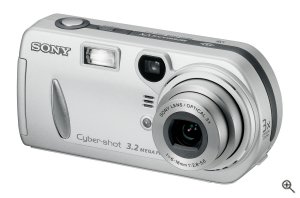
Sony Cyber-shot DSC-P72
|
|
|
Imaging Device |
1/1.8" 3.2 Megapixel Effective Super HAD™ CCD |
|
Recording Media |
Memory Stick® Media, Memory Stick PRO™ Media |
|
Zoom |
3X Optical, 3.2X Smart Zoom (at VGA size), 9.6X Total |
|
Filter Diameter |
N/A |
|
Focal Length |
6 - 18mm |
|
35mm Equivalent |
39 - 117mm |
|
Aperture |
f2.8 - 5.6 |
|
Focus |
3 Area Multi-Point AF, 5 Step Manual Preset |
|
Minimum Focus Distance |
19.7" (50 cm) |
|
Macro Focus Distance |
3.9" (10 cm) |
|
Shutter Speed |
Auto, 1/30 - 1/2000 sec, Twilight 2 sec - 1/1000 |
|
Manual Exposure |
±2.0 EV, 1/3 EV Steps |
|
Color LCD |
1.5" 123K Pixels Low Temperature Polysilicon TFT |
|
Flash Modes |
Auto / Forced On / Forced Off / Slow Synchro |
|
Red-Eye Reduction |
On / Off |
|
Flash Effective Range |
1.3 – 9.2 ft (0.4 – 2.8m) |
|
White Balance |
Auto, Daylight, Cloudy, Fluorescent, Incandescent |
|
Picture Effects |
Black & White, Solarize, Sepia, Negative Art |
|
ISO |
Auto, 100, 200, 400 |
|
Scene Modes |
Twilight, Twilight Portrait, Landscape, Beach, Snow |
|
Self Timer |
Yes, 10 Seconds |
|
Video Output |
Yes NTSC / PAL Selectable |
|
Still Image Modes |
JPEG (Fine/Std.), Burst, Email, Voice Memo |
|
MPEG Movie Modes |
|
MPEG VX (640x480, 16fps, with audio) |
|
MPEG Video Mail (160x112, 8 fps with audio) |
|
|
Clip Motion |
Normal (160x120), Mobile (80x72) |
|
Microphone / Speaker |
Yes / Yes |
|
USB Terminal |
Yes, Supports USB 2.0 |
|
Memory Stick PRO™ Media Compatibility |
Tested to support up to 1GB media capacity; does not support high speed transfer function; does not support Access Control security function |
|
Battery Type / Capacity |
NiMH AA, 2100 mAh rated |
|
Supplied Software |
Pixela™ Image Mixer Software for Sony v1.5, USB Driver SPVD-008 |
|
OS Compatibility |
Microsoft® Windows® 98 / 98SE / Me / 2000 Professional / XP Home / Pro; Macintosh OS 8.5.1 / 8.6 / 9.0 / 9.1 / 9.2 |
|
Supplied Accessories |
NH-AA-DA Rechargeable NiMH Batteries, BC-CS2 NiMH Battery Charger, A/V and USB Cables, Wrist Strap, MSA-16A 16MB Memory Stick® Media, Software CD-ROM |
|
Dimensions (W / H / D) |
4 11/16" x 2 1/4" x 1 5/16" (119.5 x 57.7 x 32.6mm) |
|
Weight |
9.5 oz (259g) (w/Battery, Memory Stick® Media, Strap) |
|
Additional Features |
-
2 Shot Burst Mode
-
Clear Color / Clear Luminance NR
-
MPEG1 Cue, Review and Divide
-
3:2 Aspect Ratio Mode
-
Video Output (PAL/NTSC Selectable)
-
4 Mode In-Camera Picture Effects
-
5 Step Manual Preset Focus
|
|
Optional Accessories |
-
ACC-3NP Starter Kit (AC-LS5, LCS-CP2, NH-AA-2DA, BC-CSQ)
-
NH-AA-2DA / 4DA Rechargeable NiMH Batteries (2pk/4pk)
-
AC-LS5 AC Power Supply
-
LCS-PEA Soft Carrying Case
-
LCS-CP2 General Carrying Case
-
LCS-CSB Sport Style Carrying Case
-
HVL-FSL1A External Slave Flash w/ Bracket
-
VAD-PEA Conversion Lens Adaptor Mount
-
VCL-DH0730 Wide Angle Conversion Lens*
-
VCL-DH1730 Telephoto Conversion Lens*
-
VF-30CPKS Polarizing Filter Kit*
-
VF-30NK Neutral Density Filter Kit*
-
VF-30SC Special Effects Filter Kit*
-
MSA-32A, MSA-64A, MSA-128A Memory Stick® media
-
MSA-128S2 Memory Stick® Media with Select Function (256MB total)
-
MSX-256, MSX-512, MSX-1G Memory Stick PRO™ Media
-
MSAC-HGA8 Memory Stick® Media Carrying Case
-
MSAC-US70 Memory Stick PRO™ Media USB Adaptor / Mouse
-
MSAC-US20 Memory Stick PRO™ Media USB Adaptor
-
MSAC-PC3 Memory Stick PRO™ Media PC Card Adaptor
-
VMC-14UMB Replacement USB Cable
-
VCT-MTK Travel Tripod
-
VCT-R640 Lightweight Tripod
|
|
.
|
|
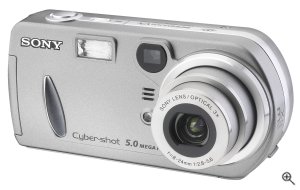
Sony Cyber-shot DSC-P92
|
|
|
Imaging Device |
1/1.8" 5.0 Megapixel Effective Super HAD™ CCD |
|
Recording Media |
Memory Stick® Media, Memory Stick PRO™ Media |
|
Zoom |
3X Optical, 4X Smart Zoom (at VGA size), 12X Total |
|
Filter Diameter |
N/A |
|
Focal Length |
7.9 - 23.7mm |
|
35mm Equivalent |
38 - 114mm |
|
Aperture |
f2.8 - 5.6 |
|
Focus |
3 Area Multi-Point AF, 5 Step Manual Preset |
|
Minimum Focus Distance |
19.7" (50 cm) |
|
Macro Focus Distance |
3.9" (10 cm) |
|
Shutter Speed |
Auto, 1/30 - 1/2000 sec, Twilight 2 sec - 1/2000 |
|
Manual Exposure |
±2.0 EV, 1/3 EV Steps |
|
Color LCD |
1.5" 123K Pixels Low Temperature Polysilicon TFT |
|
Flash Modes |
Auto / Forced On / Forced Off / Slow Synchro |
|
Red-Eye Reduction |
On / Off |
|
Flash Effective Range |
1.3 - 12.5 ft (0.4 - 3.8m) |
|
White Balance |
Auto, Daylight, Cloudy, Fluorescent, Incandescent |
|
Picture Effects |
Black & White, Solarize, Sepia, Negative Art |
|
ISO |
Auto, 100, 200, 400 |
|
Scene Modes |
Twilight, Twilight Portrait, Landscape, Beach, Snow |
|
Self Timer |
Yes, 10 Seconds |
|
Video Output |
Yes NTSC / PAL Selectable |
|
Still Image Modes |
JPEG (Fine/Std.), Burst, Email, Voice Memo |
|
MPEG Movie Modes |
|
MPEG VX (640x480, 16fps, with audio) |
|
MPEG Video Mail (160x112, 8 fps with audio) |
|
|
Clip Motion |
Normal (160x120), Mobile (80x72) |
|
Microphone / Speaker |
Yes / Yes |
|
USB Terminal |
Yes, Supports USB 2.0 |
|
Memory Stick PRO™ Media Compatibility |
Tested to support up to 1GB media capacity; does not support high speed transfer function; does not support Access Control security function |
|
Battery Type / Capacity |
NiMH AA, 2100 mAh rated |
|
Supplied Software |
Pixela™ Image Mixer Software for Sony v1.5, USB Driver SPVD-008 |
|
OS Compatibility |
Microsoft® Windows® 98 / 98SE / Me / 2000 Professional / XP Home / Pro; Macintosh OS 8.5.1 / 8.6 / 9.0 / 9.1 / 9.2 |
|
Supplied Accessories |
NH-AA-DA Rechargeable NiMH Batteries, BC-CS2 NiMH Battery Charger, A/V and USB Cables, Wrist Strap, MSA-16A 16MB Memory Stick® Media, Software CD-ROM |
|
Dimensions (W / H / D) |
4 11/16" x 2 1/4" x 1 5/16" (119.5 x 57.7 x 32.6mm) |
|
Weight |
9.5 oz (259g) (w/Battery, Memory Stick® Media, Strap) |
|
Additional Features |
-
2 Shot Burst Mode
-
Clear Color / Clear Luminance NR
-
MPEG1 Cue, Review and Divide
-
3:2 Aspect Ratio Mode
-
Video Output (PAL/NTSC Selectable)
-
4 Mode In-Camera Picture Effects
-
5 Step Manual Preset Focus
|
|
Optional Accessories |
-
ACC-3NP Starter Kit (AC-LS5, LCS-CP2, NH-AA-2DA, BC-CSQ)
-
NH-AA-2DA / 4DA Rechargeable NiMH Batteries (2pk/4pk)
-
AC-LS5 AC Power Supply
-
LCS-PEA Soft Carrying Case
-
LCS-CP2 General Carrying Case
-
LCS-CSB Sport Style Carrying Case
-
HVL-FSL1A External Slave Flash w/ Bracket
-
VAD-PEA Conversion Lens Adaptor Mount
-
VCL-DH0730 Wide Angle Conversion Lens*
-
VCL-DH1730 Telephoto Conversion Lens*
-
VF-30CPKS Polarizing Filter Kit*
-
VF-30NK Neutral Density Filter Kit*
-
VF-30SC Special Effects Filter Kit*
-
MSA-32A, MSA-64A, MSA-128A Memory Stick® media
-
MSA-128S2 Memory Stick® Media with Select Function (256MB total)
-
MSX-256, MSX-512, MSX-1G Memory Stick PRO™ Media
-
MSAC-HGA8 Memory Stick® Media Carrying Case
-
MSAC-US70 Memory Stick PRO™ Media USB Adaptor / Mouse
-
MSAC-US20 Memory Stick PRO™ Media USB Adaptor
-
MSAC-PC3 Memory Stick PRO™ Media PC Card Adaptor
-
VMC-14UMB Replacement USB Cable
-
VCT-MTK Travel Tripod
-
VCT-R640 Lightweight Tripod
|
|
.
|
Source:
Sony Corp.
|
[an error occurred while processing this directive]
Original Source Press Release:
|
SONY'S 2003 CYBER-SHOT CAMERA LINE-UP SPOTLIGHTS VALUE, VARIETY AND PORTABILITY
Six New Reasons to Consider Upgrading Your Digital Camera
PARK RIDGE, N.J., Feb. 24, 2003 – Sony’s range of six new Cyber-shot® digital still cameras, announced here today, is a reflection of the consumer boom in digital photography.
“While we’re seeing incredible growth in the first-time buyer market, we know there are millions of consumers who are upgrading to get better picture resolution and more features,” said Steve Haber, senior vice president of Sony Electronic’s Digital Imaging Products Division. “Our new 2003 P-series Cyber-shot camera line-up now starts at 3.2 megapixels, a resolution threshold that will provide even novices with confidence in their photography results.”
Cyber-shot P Series
Three models in Sony’s 2003 line of P-series point-and-shoot cameras (DSC-P32, DSC-P52 and DSC-P72) offer 3.2 megapixels of resolution. A fourth camera, the DSC-P92 model enhances the point-and-shoot family by offering 5.0 megapixels.
While the DSC-P32 model comes with a fixed focal length lens and the DSC-P52 brings 2X optical zoom, both the DSC-P72 and DSC-P92 models offer 3X optical zoom capability.
All four cameras come supplied with rechargeable NiMH AA batteries with enhanced charge capacity and a charger that generates a full charge in about half the time of previous models.
These four cameras will be available in April. The DSC-P32 will sell for about $230, the DSC-P52 for about $280, the DSC-P72 for about $330, and the DSC-P92 for about $500. All four models feature Sony’s optimized MPEG VX movie mode. It can capture VGA resolution video with audio at 16 frames per second up to the capacity of the Memory Stick® card that is used. A 16MB card is included.
Cyber-shot Compact P Series
For pocketable options, the ultra-compact Cyber-shot DSC-P8 and DSC-P10 cameras are smaller point-and-shoot models with metal construction and an InfoLithium® battery system. These two new models feature a Tracking Auto-Focus System to maintain continuous focus lock on moving subjects, a live histogram, and adjustable color saturation and contrast. Both models have 3X optical zoom and MPEG VX movie mode with audio recording.
Both new compact P-series models will be available in April, with the DSC-P8 expected to sell for about $400, and the DSC-P10 expected to cost about $600. The DSC-P8 ships with a 16MB Memory Stick media card and the DSC-P10 ships with a 32MB card.
Beyond Megapixels and Zoom: Camera Features Create Better Results
All six new Cyber-shot point-and-shoot models come with a comprehensive feature set to give users flexibility, greater ease of use and quality results.
“The power behind the feature set is that you get the photo right the first time by avoiding common problems, minimizing the need for fine-tuning later,” Haber said. “For just one of a dozen examples, think about the old rule of making sure the light is behind you when you take a photo to avoid a dark subject. To address that, we’re introducing Auto Fill Flash, which automatically fires the flash to optimize light on the subject and balance the exposure.”
Among the 2003 Cyber-shot camera features are multiple movie recording options and USB 2.0 connection. In addition, a new Smart Zoom option replaces digital zoom, and intelligently uses the full resolution of the camera’s imager at lower resolution settings to zoom into the portion of interest by cropping the image size.
# # #
|
|
Return to:
|
[an error occurred while processing this directive]
Powered by
Coranto
|