

Overview
Nikon D7000 High ISO Noise Reduction
The Nikon D7000 offers four settings for High ISO Noise Reduction: "Off", "Low", "Normal" and "High". Noise reduction is applied at all ISOs, but it's most effective at higher ISOs. According to Nikon, the "Off "setting will still apply NR at ISOs above 1,600, but is less than the amount performed at the Low setting.
The Nikon D7000's four noise reduction settings allow you quite a bit of flexibility in choosing how you want to make the trade-off between subject detail and noise levels in your JPEGs. The "Off" setting does not eliminate noise processing altogether at lower ISOs (there's is some chroma noise reduction applied even at the base ISO), but it is true that it leaves a lot of fine/subtle subject detail there for you to work with. The combination of shooting with NR "Off" and using a good noise-filtering program after the fact can produce very clean images with lots of fine detail in them.
See for yourself how the Nikon D7000's various noise reduction settings work under daylight-balanced lighting. Click on any of the crops below to see the corresponding full-sized image.
| High ISO Noise Reduction Settings Comparison Daylight-balanced illumination |
||||
|
|
Off
|
Low
|
Normal
|
High
|
|
I
S O 8 0 0 |
 |
 |
 |
 |
 |
 |
 |
 |
|
 |
 |
 |
 |
|
|
|
Off
|
Low
|
Normal
|
High
|
|
I
S O 1 6 0 0 |
 |
 |
 |
 |
 |
 |
 |
 |
|
 |
 |
 |
 |
|
|
|
Off
|
Low
|
Normal
|
High
|
|
I
S O 3 2 0 0 |
 |
 |
 |
 |
 |
 |
 |
 |
|
 |
 |
 |
 |
|
|
|
Off
|
Low
|
Normal
|
High
|
|
I
S O 6 4 0 0 |
 |
 |
 |
 |
 |
 |
 |
 |
|
 |
 |
 |
 |
|
|
|
Off
|
Low
|
Normal
|
High
|
|
I
S O 1 2 8 0 0 |
 |
 |
 |
 |
 |
 |
 |
 |
|
 |
 |
 |
 |
|
|
Off
|
Low
|
Normal
|
High
|
|
|
I
S O 2 5 6 0 0 |
 |
 |
 |
 |
 |
 |
 |
 |
|
 |
 |
 |
 |
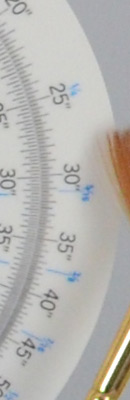
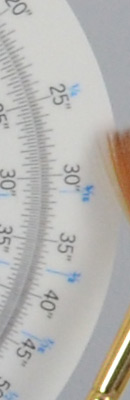
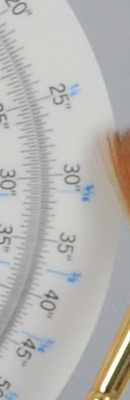
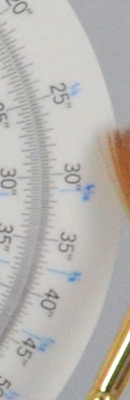
The above crops show the effects of the 4 levels of high ISO noise reduction, under our studio HMI lighting we use to simulate daylight. The Normal setting strikes a good balance between noise and detail, however subtle detail in the red cloth swatch starts to suffer at ISO 3,200. Turning down the NR and using a good noise reduction program may yield better results, but the Nikon D7000 does a pretty good job at balancing detail and noise.
How does the Nikon D7000 compare with competing models with similar resolution? See the following table which compares at the default Noise Reduction setting.
| High ISO Comparison with Canon 60D, Pentax K-5 and Sony A580 (All default NR) Daylight-balanced illumination |
||||
|
|
Nikon D7000
|
Canon 60D
|
Pentax K-5
|
Sony A580
|
|
I
S O 8 0 0 |
|
 |
 |
 |
|
 |
 |
 |
|
|
 |
 |
 |
|
|
|
Nikon D7000
|
Canon 60D
|
Pentax K-5
|
Sony A580
|
|
I
S O 1 6 0 0 |
|
 |
 |
 |
|
 |
 |
 |
|
|
 |
 |
 |
|
|
|
Nikon D7000
|
Canon 60D
|
Pentax K-5
|
Sony A580
|
|
I
S O 3 2 0 0 |
|
 |
 |
 |
|
 |
 |
 |
|
|
 |
 |
 |
|
|
|
Nikon D7000
|
Canon 60D
|
Pentax K-5
|
Sony A580
|
|
I
S O 6 4 0 0 |
|
 |
 |
 |
|
 |
 |
 |
|
|
 |
 |
 |
|
|
|
Nikon D7000
|
Canon 60D
|
Pentax K-5
|
Sony A580
|
|
I
S O 1 2 8 0 0 |
|
 |
 |
 |
|
 |
 |
 |
|
|
 |
 |
 |
|
|
Nikon D7000
|
Canon 60D
|
Pentax K-5
|
Sony A580
|
|
|
I
S O 2 5 6 0 0 |
|
N/A
ISO 25,600 Not Supported |
 |
N/A
ISO 25,600 Not Supported |
|
N/A
ISO 25,600 Not Supported |
 |
N/A
ISO 25,600 Not Supported |
|
|
N/A
ISO 25,600 Not Supported |
 |
N/A
ISO 25,600 Not Supported |
|
|
|
Nikon D7000
|
Canon 60D
|
Pentax K-5
|
Sony A580
|
|
I
S O 5 1 2 0 0 |
N/A
ISO 51,200 Not Supported |
N/A
ISO 51,200 Not Supported |
 |
N/A
ISO 51,200 Not Supported |
|
N/A
ISO 51,200 Not Supported |
N/A
ISO 51,200 Not Supported |
 |
N/A
ISO 51,200 Not Supported |
|
|
N/A
ISO 51,200 Not Supported |
N/A
ISO 51,200 Not Supported |
 |
N/A
ISO 51,200 Not Supported |
|
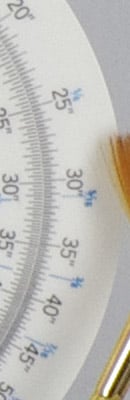
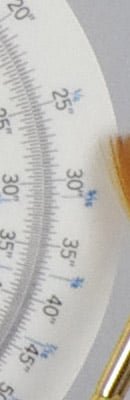
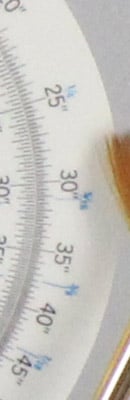
As you can see from the above crops, the Nikon D7000 performs very well compared to other models. All four show similar levels of noise at ISO 800 with the Canon 60D and Sony A580 showing a touch less, but the latter are starting to blur tone-on-tone detail in the red leaf fabric. The Pentax K-5 retains the best subtle detail of the four at ISO 800. At higher ISOs, the Nikon D7000 starts to pull away from the pack in terms of low contrast detail, with the others applying stronger chroma noise reduction. However, the 60D and K-5 both do a slightly better job at keeping higher-contrast detail more clearly defined. It's also no surprise that the 18-megapxel Canon 60D outresolves the other three which all have 16-megapixel sensors. All-in-all, a very good performance from the D7000 but the others aren't far behind, and some may argue the K-5 actually does better overall. Keep in mind that these differences are greatly influenced by the default noise reduction applied and don't necessarily indicate which sensor performs better.
Here's a comparison of the D7000 with its immediate Nikon siblings:
| High ISO Comparison with Nikon D90 and D300S (All default NR) Daylight-balanced illumination |
|||
|
|
Nikon D7000
|
Nikon D90
|
Nikon D300S
|
|
I
S O 8 0 0 |
|
 |
 |
|
 |
 |
|
|
 |
 |
|
|
|
Nikon D7000
|
Nikon D90
|
Nikon D300S
|
|
I
S O 1 6 0 0 |
|
 |
 |
|
 |
 |
|
|
 |
 |
|
|
|
Nikon D7000
|
Nikon D90
|
Nikon D300S
|
|
I
S O 3 2 0 0 |
|
 |
 |
|
 |
 |
|
|
 |
 |
|
|
|
Nikon D7000
|
Nikon D90
|
Nikon D300S
|
|
I
S O 6 4 0 0 |
|
 |
 |
|
 |
 |
|
|
 |
 |
|
|
|
Nikon D7000
|
Nikon D90
|
Nikon D300S
|
|
I
S O 1 2 8 0 0 |
|
N/A
ISO 12,800 Not Supported |
N/A
ISO 12,800 Not Supported |
|
N/A
ISO 12,800 Not Supported |
N/A
ISO 12,800 Not Supported |
|
|
N/A
ISO 12,800 Not Supported |
N/A
ISO 12,800 Not Supported |
|
|
Nikon D7000
|
Nikon D90
|
Nikon D300S
|
|
|
I
S O 2 5 6 0 0 |
|
N/A
ISO 25,600 Not Supported |
N/A
ISO 25,600 Not Supported |
|
N/A
ISO 25,600 Not Supported |
N/A
ISO 25,600 Not Supported |
|
|
N/A
ISO 25,600 Not Supported |
N/A
ISO 25,600 Not Supported |
|
Here, we can see the Nikon D7000 does quite well against it's immediate siblings, though the improvement over the D90 is very minor. The D300S applies stronger noise reduction by default, losing out to the others in the red-leaf fabric, but its images, while slightly noisier, have a more consistent and finer noise grain that can be less objectionable to some. Given its higher resolution and smaller pixel size, though, the Nikon D7000 does remarkably well.
See the High ISO RAW crops page, which is a much better indication of relative sensor performance.