
Digital Cameras – Nikon D3200 Test Images
Not sure which camera to buy? Let your eyes be the ultimate judge!
Visit our Comparometer(tm)
to compare images from the Nikon D3200 with those from other
cameras you may be considering. The proof is in the pictures, so let
your own eyes decide which you like best!
|
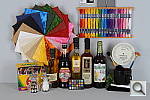
This is our new “Still Life” test target. We’re combining Here’s what to look for in this target:
|
||||||||||||||||||||||||||||||||||||||||||||||||||||||||||||||||||
|
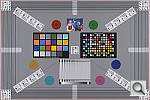
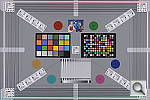
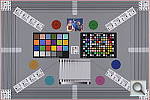
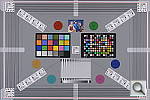
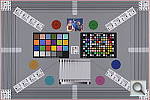
Our new “Multi Target” was first put into use in April, 2009, replacing the earlier “interim” design. This target incorporates a number of elements that combine aspects of the previous Multi target, as well as the previous Viewfinder Accuracy or “VFA” chart. Here’s some of what you’ll find in this target: Framing marks: This chart evolved from the earlier Viewfinder Accuracy chart, so one of its major uses is to measure viewfinder accuracy. (See notes in the Viewfinder Accuracy section, at the bottom of this page, for more information on this.) USAF resolution targets: An important use of this target is in evaluating lens quality, looking how well sharpness holds up as you move from the center to the corners of the frame. The little “USAF” resolution targets arranged at the center, in the corners, and along the diagonals are very useful for making fine judgements about blur, flare and aberrations in the image. We generally show crops of a USAF chip from a corner of the target and from the center, to show how lenses hold sharpness at wide and telephoto focal lengths. Alignment “bulls-eyes:” We find these graphics from the graphic arts world (used to align sheets of film in the old film-based prepress days) very useful for seeing chromatic aberration in lenses. The bold black/white elements are good for seeing the colored fringes caused by CA in the corners of the frame. MacBeth ColorChecker Chart: This is about as common a color standard as you can get these days, very widely available for only mildly exorbitant cost, and quite well controlled in its production. It thus serves as a good basis of comparison between cameras and between test setups. Imatest also understands the MacBeth colors very well, and uses them to produce its color accuracy map that we feature in all our reviews. MacBeth ColorChecker SG Chart: The ColorChecker SG chart provides a wider range of colors, to give a more detailed map of a camera’s color handling. We haven’t begun using this chart in the color-accuracy graphs we routinely offer, but expect to do so at some point in the future. In the meantime, we sometimes refer to this chart internally, to get a more complete idea of what a camera’s color map looks like. Log C/F Target: The progressive resolution pattern located just below the center of the target is a Log C/F (logarithmic contrast vs spatial frequency) chart. Digital camera noise reduction routines work by looking at levels of local contrast, flattening-out detail at progressively lower spatial frequencies as the local contrast decreases. (This is very commonly seen in human hair, grass, foliage, and other subjects with subtly-contrasting fine detail.) This chart lets Imatest analyze just how a camera makes the tradeoff between contrast, detail, and image noise. Color Starbursts: The six circular starburst elements arranged around the target are intended to reveal de-mosaicing artifacts and color-dependent resolution issues. The six starbursts provide examples of each combination of RGB colors intersecting each other. (That is, red, green, and blue against black, plus red against green, green against blue, and blue against red.) Given that the most common sensor RGB color filter pattern (the so-called Bayer) pattern has twice as many green pixels as red or blue, you’ll generally see that the green/black starburst shows the best resolution, while the blue/red one shows the worst. The effects of different sensor geometries and color filter array patterns will be revealed here. Musicians Image: Synthetic test patterns only tell you so much. While we have a lot of pictorial images in our other test targets, we thought it would be useful to include a small “natural” image here as well.
|
||||||||||||||||||||||||||||||||||||||||||||||||||||||||||||||||||
|
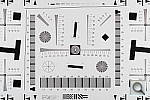
Part of the impetus in developing the new Multi Target in April 2009 was to switch to using a new 2x target for the resolution measurements, since the original ISO 12233 chart we’d used since the site first began in 1998(!) had become inadequate for testing the highest-resolution cameras. We’d for quite some time had a “homemade” 2x target, employing a shrunk version of the ISO 12233 chart, shot at 1/2 size. The resolution numbers on that chart all needed to be doubled to convert to the actual values, though, so we decided to go with a commercial 2x target to eliminate possible confusion on the part of our readers. Numbers on this new 2x resolution chart now read directly in hundreds of lines/picture height. (Because almost all of the area of this new resolution chart is now meaningful for resolution measurements, there was no longer space on it to overlay the MacBeth and other color targets on our prior Multi chart; hence the simultaneous change in our Multi target.)
|
||||||||||||||||||||||||||||||||||||||||||||||||||||||||||||||||||
|
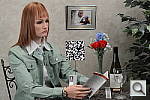
“Sunlit” Portrait: The lighting in this shot is deliberately awful, about what you’d expect The reason for the harsh lighting is to provide a real “torture Look for:
To view the entire exposure series from 0 EV to +1.0 EV, see files /cameras/nikon-d3200-review/image/981790?section=samples through D3200OUTBMP3.HTM on the thumbnail
|
||||||||||||||||||||||||||||||||||||||||||||||||||||||||||||||||||
Indoor Portrait, Flash:
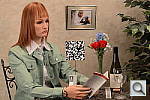
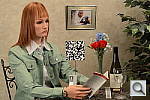
This shot duplicates indoor shooting conditions in most US homes, with Finally, exposure is important here, and frequently a tough challenge Note too, that the normal flash shot (as opposed to the slow sync one, To view the exposure series from zero to +1.0 EV in the normal flash To view the same series in the Slow-Sync flash mode, see files /cameras/nikon-d3200-review/image/981756?section=samples |
||||||||||||||||||||||||||||||||||||||||||||||||||||||||||||||||||
Indoor Portrait, No Flash:
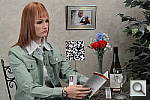
The incandescent lighting used in most US homes actually has a very The incandescent lighting used for this shot is thus not only very common Most cameras’ auto white balance systems have a great deal of difficulty If you intend to do much shooting indoors after dark, pay careful attention To view the entire exposure series from zero to +1.0 EV, see files D3200INBMP0.HTM through D3200INBMP3.HTM on the thumbnail ISO Series: One additional note about this particular test series though: Because
|
||||||||||||||||||||||||||||||||||||||||||||||||||||||||||||||||||
House Shot:
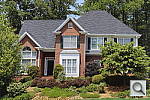
Like several of our tests, these images are actually photos of a high-resolution poster, shot under studio lighting. The shots for this camera were captured with our third-generation House poster, which was assembled from 45 separate 11-megapixel images, shot with a very high-quality lens, and then stitched together into a single image. The resulting image amounts to about 450 very high-quality megapixels. This should have sufficient detail to comfortably challenge cameras up to at least 80-100 megapixels. (And even with higher-resolution cameras, we believe that the camera lenses themselves would be more likely to limit resolution than would the detail in the poster.) Why did we choose to shoot a picture of a picture? The idea was to show a typical subject (a house and surrounding foliage) in a way that would be absolutely consistent from camera to camera. Any outdoor subject is going to vary considerably from day to day, as the lighting changes with the weather, atmospheric conditions, and season. Shooting a poster lets us compare images from cameras shot weeks, months, or even years apart, with the sure knowledge that nothing has changed from one shot to another. Things to look for here are fine detail, as seen in the foliage and tree limbs against the sky, sharpness in the corners, and the preservation of subtle detail in the shaded brick patterns. – Many cameras with overactive noise suppression severely blur the brick patterns that are in shadow. |
||||||||||||||||||||||||||||||||||||||||||||||||||||||||||||||||||
|
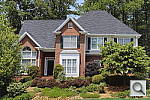
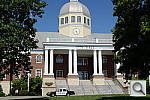
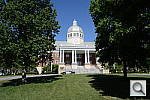
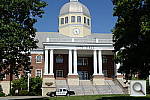
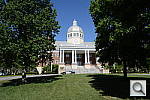
While the House poster in the shot above provides absolute repeatability from test to test, it doesn’t offer the range of brightness (dynamic range) that the original scene had, nor does it contain the nearly infinite range of fine detail found in nature. For these reasons, we shoot an outdoor photo of a building, to provide a more challenging (if more variable) subject for the cameras. Until Summer of 2011, we used the original house from the House poster for this “Far Field” shot, but the ever-encroaching trees made it less and less useful. The coup de grace for that subject was when the neighbor across the street relandscaped his yard so we could no longer shoot from our original position. In place of the original house, we’ve switched to using the Roswell, GA City Hall building, which offers many of the elements of the original Far Field subject, but in a setting where we’re guaranteed access into the future, and without the threat of trees eventually obscuring the building. In this shot, we look at how the camera handles rendering of subtle detail (the bricks, both in the sunlight and in the deep shadows under the entryway roof), how it handles bright highlights (the white columns and reflections from the dome), and shadow detail (in the dark areas beneath the shrubs on either side of the steps). Note though, that because this is shot outdoors, the character of the light is unavoidably going to change quite a bit, depending on the atmospheric humidity and the time of year. – You thus shouldn’t rely on it for absolute comparisons between cameras, since it’s unlikely that conditions will be exactly the same from one test to the next.
|
||||||||||||||||||||||||||||||||||||||||||||||||||||||||||||||||||
Pine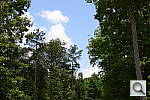
Our current Far-Field shot lacks one feature that we found invaluable in the original one; namely the pine foliage that was in the background of the old subject. The pine foliage provided very fine detail that we could also count on being the same year-round. No other shots we capture provided this combination of fine detail at a distance, so we added a new shot (“PINE” in all the filenames) of a large pine tree near our office, shot at roughly the same scale as the pines in the old Far-Field shot, so comparisons can still be made against older images. Use this shot to see how well each camera handles really fine detail, both in high-contrast situations (the needles against the sky) and in low-contrast ones (the needles against each other). The tangles of small branches against the sky are also very revealing. The combination of the FAR2 and PINE shots provide a wealth of information about cameras’ image-rendering prowess with natural subjects shot at “infinity,” filling testing needs that can’t be entirely met with studio shots alone. |
||||||||||||||||||||||||||||||||||||||||||||||||||||||||||||||||||
|
Lens Zoom Range Simply reading “3x zoom range” doesn’t do a lot to help you visualize what that means. It also says nothing regarding just how wide the wide-angle end of that range is. To give you an idea of exactly what each camera’s zoom lens does, we shoot this series of images, showing results at maximum wide angle, maximum telephoto, and telephoto with “digital zoom” enabled. (Note of course though, that so-called “digital zoom” just crops out and enlarges the central pixels of the image, achieving increased size at the cost of reduced resolution.)
|
||||||||||||||||||||||||||||||||||||||||||||||||||||||||||||||||||
|
“Davebox” Test Target
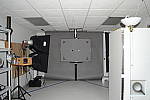
Because most of its various elements are now contained or represented in the combination of the Still Life and Multi Target shots, we no longer routinely shoot the Davebox by itself, as would normally appear in this space. (We do however, still use it for our low light test below.) |
||||||||||||||||||||||||||||||||||||||||||||||||||||||||||||||||||
Macro Shot
Many are interested in close-up or “macro” photography. This test shows the best results we could obtain using each camera’s macro mode. What to look for:
|
||||||||||||||||||||||||||||||||||||||||||||||||||||||||||||||||||
|
Low-Light Tests Low light photography is an area where there are really enormous differences
(Note: If you’d like to use a light meter to check light levels
|
||||||||||||||||||||||||||||||||||||||||||||||||||||||||||||||||||
|
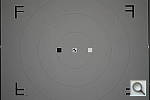
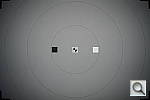
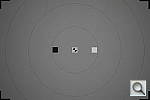
Flash Range Tests Digital camera makers have gotten better with their flash-range ratings. The test target here is our “new” flash range/uniformity target, first put into service in April, 2009. To avoid potential exposure problems caused by the target itself, we’ve gone to a mostly blank grey target, with a reflectance of 18% (matching the theoretical level that most exposure metering systems assume for average scene reflectance). The white and black chips let us check white and black points in addition to the mid-grey of the target itself. The concentric circles are a visual guide for flash falloff, marking points 25%, 50%, and 75% of the way from the center to the corners of the target. The bold black framing marks indicate the corners of either a 4:3 or 3:2 aspect ratio, for those shots in which we’re checking flash uniformity. (See below.) For consistency of exposure, the target is mounted in front of backdrop paper that also approximates a 18% grey.
Manufacturer-Specified Flash Range Lately, many manufacturers specify flash range with the camera set to Auto mode, in which the camera is free to boost its ISO setting to help increase the flash range. This does increase the range, but it’s easy to have too much of a good thing: Too high an ISO can leave you with too much image noise. The variable ISO setting also means that there isn’t an easy way to compare the range with the fixed-ISO shots in our standard flash range series. So now, we also test the flash under the manufacturer-specified conditions (whatever they may be, but frequently with the camera set to Auto mode), and the look at both how brightly the scene is lit, and how much image noise is present in the resulting images. Flash range for SLRs will vary with the lens used (depending on the maximum aperture), so their flash range is commonly expressed as a Guide Number, or GN for short. The guide number is a distance, in either feet or meters, at a given ISO. To find the maximum flash range at a given aperture, just divide the guide number by the aperture. For instance, a guide number of 56 feet would translate to a range of 10 feet with a lens set to an aperture of f/5.6. The range would be twice that if you had an f/2.8 lens (56/2.8 = 20).
Flash Uniformity The flash units on many digital cameras don’t illuminate the scene very evenly, especially at wide angle focal lengths, so the photos here shows how uniform the flash coverage is. As noted earlier, this test uses the same target as our flash range test, but for the uniformity tests, we take care to frame the target the same from camera to camera. The concentric circles on the target mark distances 25%, 50%, and 75% of the way from the center to the corners. (Approximate, they roughly split the difference between the 4:3 and 3:2 aspect ratios.)
|
||||||||||||||||||||||||||||||||||||||||||||||||||||||||||||||||||
|
Viewfinder Accuracy Viewfinder accuracy is an important parameter, especially for shots Unlike the optical viewfinders, the LCD viewfinders on most digital Things to look for on this test chart are:
|
||||||||||||||||||||||||||||||||||||||||||||||||||||||||||||||||||














Digital Cameras – Nikon D3200 Test Images
Not sure which camera to buy? Let your eyes be the ultimate judge!
Visit our Comparometer(tm)
to compare images from the Nikon D3200 with those from other
cameras you may be considering. The proof is in the pictures, so let
your own eyes decide which you like best!
|
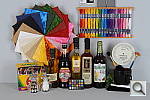
This is our new “Still Life” test target. We’re combining Here’s what to look for in this target:
|
||||||||||||||||||||||||||||||||||||||||||||||||||||||||||||||||||
|
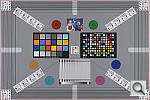
Our new “Multi Target” was first put into use in April, 2009, replacing the earlier “interim” design. This target incorporates a number of elements that combine aspects of the previous Multi target, as well as the previous Viewfinder Accuracy or “VFA” chart. Here’s some of what you’ll find in this target: Framing marks: This chart evolved from the earlier Viewfinder Accuracy chart, so one of its major uses is to measure viewfinder accuracy. (See notes in the Viewfinder Accuracy section, at the bottom of this page, for more information on this.) USAF resolution targets: An important use of this target is in evaluating lens quality, looking how well sharpness holds up as you move from the center to the corners of the frame. The little “USAF” resolution targets arranged at the center, in the corners, and along the diagonals are very useful for making fine judgements about blur, flare and aberrations in the image. We generally show crops of a USAF chip from a corner of the target and from the center, to show how lenses hold sharpness at wide and telephoto focal lengths. Alignment “bulls-eyes:” We find these graphics from the graphic arts world (used to align sheets of film in the old film-based prepress days) very useful for seeing chromatic aberration in lenses. The bold black/white elements are good for seeing the colored fringes caused by CA in the corners of the frame. MacBeth ColorChecker Chart: This is about as common a color standard as you can get these days, very widely available for only mildly exorbitant cost, and quite well controlled in its production. It thus serves as a good basis of comparison between cameras and between test setups. Imatest also understands the MacBeth colors very well, and uses them to produce its color accuracy map that we feature in all our reviews. MacBeth ColorChecker SG Chart: The ColorChecker SG chart provides a wider range of colors, to give a more detailed map of a camera’s color handling. We haven’t begun using this chart in the color-accuracy graphs we routinely offer, but expect to do so at some point in the future. In the meantime, we sometimes refer to this chart internally, to get a more complete idea of what a camera’s color map looks like. Log C/F Target: The progressive resolution pattern located just below the center of the target is a Log C/F (logarithmic contrast vs spatial frequency) chart. Digital camera noise reduction routines work by looking at levels of local contrast, flattening-out detail at progressively lower spatial frequencies as the local contrast decreases. (This is very commonly seen in human hair, grass, foliage, and other subjects with subtly-contrasting fine detail.) This chart lets Imatest analyze just how a camera makes the tradeoff between contrast, detail, and image noise. Color Starbursts: The six circular starburst elements arranged around the target are intended to reveal de-mosaicing artifacts and color-dependent resolution issues. The six starbursts provide examples of each combination of RGB colors intersecting each other. (That is, red, green, and blue against black, plus red against green, green against blue, and blue against red.) Given that the most common sensor RGB color filter pattern (the so-called Bayer) pattern has twice as many green pixels as red or blue, you’ll generally see that the green/black starburst shows the best resolution, while the blue/red one shows the worst. The effects of different sensor geometries and color filter array patterns will be revealed here. Musicians Image: Synthetic test patterns only tell you so much. While we have a lot of pictorial images in our other test targets, we thought it would be useful to include a small “natural” image here as well.
|
||||||||||||||||||||||||||||||||||||||||||||||||||||||||||||||||||
|
Part of the impetus in developing the new Multi Target in April 2009 was to switch to using a new 2x target for the resolution measurements, since the original ISO 12233 chart we’d used since the site first began in 1998(!) had become inadequate for testing the highest-resolution cameras. We’d for quite some time had a “homemade” 2x target, employing a shrunk version of the ISO 12233 chart, shot at 1/2 size. The resolution numbers on that chart all needed to be doubled to convert to the actual values, though, so we decided to go with a commercial 2x target to eliminate possible confusion on the part of our readers. Numbers on this new 2x resolution chart now read directly in hundreds of lines/picture height. (Because almost all of the area of this new resolution chart is now meaningful for resolution measurements, there was no longer space on it to overlay the MacBeth and other color targets on our prior Multi chart; hence the simultaneous change in our Multi target.)
|
||||||||||||||||||||||||||||||||||||||||||||||||||||||||||||||||||
|
“Sunlit” Portrait: The lighting in this shot is deliberately awful, about what you’d expect The reason for the harsh lighting is to provide a real “torture Look for:
To view the entire exposure series from 0 EV to +1.0 EV, see files /cameras/nikon-d3200-review/image/981548?section=test through D3200OUTBMP3.HTM on the thumbnail
|
||||||||||||||||||||||||||||||||||||||||||||||||||||||||||||||||||
Indoor Portrait, Flash:
This shot duplicates indoor shooting conditions in most US homes, with Finally, exposure is important here, and frequently a tough challenge Note too, that the normal flash shot (as opposed to the slow sync one, To view the exposure series from zero to +1.0 EV in the normal flash To view the same series in the Slow-Sync flash mode, see files /cameras/nikon-d3200-review/image/981510?section=test |
||||||||||||||||||||||||||||||||||||||||||||||||||||||||||||||||||
Indoor Portrait, No Flash:
The incandescent lighting used in most US homes actually has a very The incandescent lighting used for this shot is thus not only very common Most cameras’ auto white balance systems have a great deal of difficulty If you intend to do much shooting indoors after dark, pay careful attention To view the entire exposure series from zero to +1.0 EV, see files D3200INBMP0.HTM through D3200INBMP3.HTM on the thumbnail ISO Series: One additional note about this particular test series though: Because
|
||||||||||||||||||||||||||||||||||||||||||||||||||||||||||||||||||
House Shot:
Like several of our tests, these images are actually photos of a high-resolution poster, shot under studio lighting. The shots for this camera were captured with our third-generation House poster, which was assembled from 45 separate 11-megapixel images, shot with a very high-quality lens, and then stitched together into a single image. The resulting image amounts to about 450 very high-quality megapixels. This should have sufficient detail to comfortably challenge cameras up to at least 80-100 megapixels. (And even with higher-resolution cameras, we believe that the camera lenses themselves would be more likely to limit resolution than would the detail in the poster.) Why did we choose to shoot a picture of a picture? The idea was to show a typical subject (a house and surrounding foliage) in a way that would be absolutely consistent from camera to camera. Any outdoor subject is going to vary considerably from day to day, as the lighting changes with the weather, atmospheric conditions, and season. Shooting a poster lets us compare images from cameras shot weeks, months, or even years apart, with the sure knowledge that nothing has changed from one shot to another. Things to look for here are fine detail, as seen in the foliage and tree limbs against the sky, sharpness in the corners, and the preservation of subtle detail in the shaded brick patterns. – Many cameras with overactive noise suppression severely blur the brick patterns that are in shadow. |
||||||||||||||||||||||||||||||||||||||||||||||||||||||||||||||||||
|
While the House poster in the shot above provides absolute repeatability from test to test, it doesn’t offer the range of brightness (dynamic range) that the original scene had, nor does it contain the nearly infinite range of fine detail found in nature. For these reasons, we shoot an outdoor photo of a building, to provide a more challenging (if more variable) subject for the cameras. Until Summer of 2011, we used the original house from the House poster for this “Far Field” shot, but the ever-encroaching trees made it less and less useful. The coup de grace for that subject was when the neighbor across the street relandscaped his yard so we could no longer shoot from our original position. In place of the original house, we’ve switched to using the Roswell, GA City Hall building, which offers many of the elements of the original Far Field subject, but in a setting where we’re guaranteed access into the future, and without the threat of trees eventually obscuring the building. In this shot, we look at how the camera handles rendering of subtle detail (the bricks, both in the sunlight and in the deep shadows under the entryway roof), how it handles bright highlights (the white columns and reflections from the dome), and shadow detail (in the dark areas beneath the shrubs on either side of the steps). Note though, that because this is shot outdoors, the character of the light is unavoidably going to change quite a bit, depending on the atmospheric humidity and the time of year. – You thus shouldn’t rely on it for absolute comparisons between cameras, since it’s unlikely that conditions will be exactly the same from one test to the next.
|
||||||||||||||||||||||||||||||||||||||||||||||||||||||||||||||||||
Pine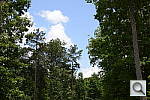
Our current Far-Field shot lacks one feature that we found invaluable in the original one; namely the pine foliage that was in the background of the old subject. The pine foliage provided very fine detail that we could also count on being the same year-round. No other shots we capture provided this combination of fine detail at a distance, so we added a new shot (“PINE” in all the filenames) of a large pine tree near our office, shot at roughly the same scale as the pines in the old Far-Field shot, so comparisons can still be made against older images. Use this shot to see how well each camera handles really fine detail, both in high-contrast situations (the needles against the sky) and in low-contrast ones (the needles against each other). The tangles of small branches against the sky are also very revealing. The combination of the FAR2 and PINE shots provide a wealth of information about cameras’ image-rendering prowess with natural subjects shot at “infinity,” filling testing needs that can’t be entirely met with studio shots alone. |
||||||||||||||||||||||||||||||||||||||||||||||||||||||||||||||||||
|
Lens Zoom Range Simply reading “3x zoom range” doesn’t do a lot to help you visualize what that means. It also says nothing regarding just how wide the wide-angle end of that range is. To give you an idea of exactly what each camera’s zoom lens does, we shoot this series of images, showing results at maximum wide angle, maximum telephoto, and telephoto with “digital zoom” enabled. (Note of course though, that so-called “digital zoom” just crops out and enlarges the central pixels of the image, achieving increased size at the cost of reduced resolution.)
|
||||||||||||||||||||||||||||||||||||||||||||||||||||||||||||||||||
|
“Davebox” Test Target
Because most of its various elements are now contained or represented in the combination of the Still Life and Multi Target shots, we no longer routinely shoot the Davebox by itself, as would normally appear in this space. (We do however, still use it for our low light test below.) |
||||||||||||||||||||||||||||||||||||||||||||||||||||||||||||||||||
Macro Shot
Many are interested in close-up or “macro” photography. This test shows the best results we could obtain using each camera’s macro mode. What to look for:
|
||||||||||||||||||||||||||||||||||||||||||||||||||||||||||||||||||
|
Low-Light Tests Low light photography is an area where there are really enormous differences
(Note: If you’d like to use a light meter to check light levels
|
||||||||||||||||||||||||||||||||||||||||||||||||||||||||||||||||||
|
Flash Range Tests Digital camera makers have gotten better with their flash-range ratings. The test target here is our “new” flash range/uniformity target, first put into service in April, 2009. To avoid potential exposure problems caused by the target itself, we’ve gone to a mostly blank grey target, with a reflectance of 18% (matching the theoretical level that most exposure metering systems assume for average scene reflectance). The white and black chips let us check white and black points in addition to the mid-grey of the target itself. The concentric circles are a visual guide for flash falloff, marking points 25%, 50%, and 75% of the way from the center to the corners of the target. The bold black framing marks indicate the corners of either a 4:3 or 3:2 aspect ratio, for those shots in which we’re checking flash uniformity. (See below.) For consistency of exposure, the target is mounted in front of backdrop paper that also approximates a 18% grey.
Manufacturer-Specified Flash Range Lately, many manufacturers specify flash range with the camera set to Auto mode, in which the camera is free to boost its ISO setting to help increase the flash range. This does increase the range, but it’s easy to have too much of a good thing: Too high an ISO can leave you with too much image noise. The variable ISO setting also means that there isn’t an easy way to compare the range with the fixed-ISO shots in our standard flash range series. So now, we also test the flash under the manufacturer-specified conditions (whatever they may be, but frequently with the camera set to Auto mode), and the look at both how brightly the scene is lit, and how much image noise is present in the resulting images. Flash range for SLRs will vary with the lens used (depending on the maximum aperture), so their flash range is commonly expressed as a Guide Number, or GN for short. The guide number is a distance, in either feet or meters, at a given ISO. To find the maximum flash range at a given aperture, just divide the guide number by the aperture. For instance, a guide number of 56 feet would translate to a range of 10 feet with a lens set to an aperture of f/5.6. The range would be twice that if you had an f/2.8 lens (56/2.8 = 20).
Flash Uniformity The flash units on many digital cameras don’t illuminate the scene very evenly, especially at wide angle focal lengths, so the photos here shows how uniform the flash coverage is. As noted earlier, this test uses the same target as our flash range test, but for the uniformity tests, we take care to frame the target the same from camera to camera. The concentric circles on the target mark distances 25%, 50%, and 75% of the way from the center to the corners. (Approximate, they roughly split the difference between the 4:3 and 3:2 aspect ratios.)
|
||||||||||||||||||||||||||||||||||||||||||||||||||||||||||||||||||
|
Viewfinder Accuracy Viewfinder accuracy is an important parameter, especially for shots Unlike the optical viewfinders, the LCD viewfinders on most digital Things to look for on this test chart are:
|
||||||||||||||||||||||||||||||||||||||||||||||||||||||||||||||||||














All test shots
Nikon D3200 Thumbnails
Not sure which camera to buy? Let your eyes be the ultimate judge!
Visit our Comparometer(tm)
to compare images from the Nikon D3200 with those from other
cameras you may be considering. The proof is in the pictures, so let
your own eyes decide which you like best!
This page may take a long time to load, due to the many thumbnails!
All images copyright © 2012 by The Imaging Resource. All rights reserved.
 D3200FAR2ADL0.JPG 11,779,019 bytes 6016×4000 1/500 sec f8.0 0.0 EV 35.0 mm focal length ISO 100 |
 D3200FAR2ADL1.JPG 11,883,381 bytes 6016×4000 1/400 sec f8.0 0.0 EV 35.0 mm focal length ISO 100 |
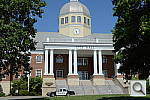 D3200FAR2CON1.JPG 12,116,627 bytes 6016×4000 1/500 sec f8.0 0.0 EV 35.0 mm focal length ISO 100 |
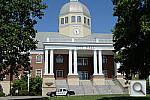 D3200FAR2CON2.JPG 12,110,339 bytes 6016×4000 1/500 sec f8.0 0.0 EV 35.0 mm focal length ISO 100 |
 D3200FAR2CON3.JPG 12,064,872 bytes 6016×4000 1/500 sec f8.0 0.0 EV 35.0 mm focal length ISO 100 |
 D3200FAR2CON4D.JPG 12,004,328 bytes 6016×4000 1/500 sec f8.0 0.0 EV 35.0 mm focal length ISO 100 |
 D3200FAR2CON5.JPG 11,932,795 bytes 6016×4000 1/500 sec f8.0 0.0 EV 35.0 mm focal length ISO 100 |
 D3200FAR2CON6.JPG 11,813,412 bytes 6016×4000 1/500 sec f8.0 0.0 EV 35.0 mm focal length ISO 100 |
 D3200FAR2CON7.JPG 11,595,191 bytes 6016×4000 1/500 sec f8.0 0.0 EV 35.0 mm focal length ISO 100 |
 D3200FAR2CONA.JPG 12,063,759 bytes 6016×4000 1/500 sec f8.0 0.0 EV 35.0 mm focal length ISO 100 |
 D3200FAR2I0100.JPG D3200FAR2I0100.NEF 11,850,151 bytes 6016×4000 1/500 sec f8.0 0.0 EV 35.0 mm focal length ISO 100 |
 D3200FAR2I0200.JPG D3200FAR2I0200.NEF 12,105,763 bytes 6016×4000 1/1000 sec f8.0 0.0 EV 35.0 mm focal length ISO 200 |
 D3200FAR2I0400.JPG D3200FAR2I0400.NEF 12,328,070 bytes 6016×4000 1/2000 sec f8.0 0.0 EV 35.0 mm focal length ISO 400 |
 D3200FAR2I0800.JPG D3200FAR2I0800.NEF 12,968,879 bytes 6016×4000 1/3200 sec f9.0 0.0 EV 35.0 mm focal length ISO 800 |
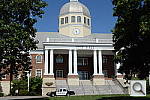 D3200FAR2I1600.JPG D3200FAR2I1600.NEF 12,596,584 bytes 6016×4000 1/3200 sec f13.0 0.0 EV 35.0 mm focal length ISO 1600 |
 D3200FAR2I3200.JPG D3200FAR2I3200.NEF 13,090,101 bytes 6016×4000 1/3200 sec f18.0 0.0 EV 35.0 mm focal length ISO 3200 |
 D3200FAR2WTM.JPG D3200FAR2WTM.NEF 11,573,513 bytes 6016×4000 1/500 sec f8.0 0.0 EV 35.0 mm focal length ISO 100 |
 D3200FAR2WTT.JPG D3200FAR2WTT.NEF 10,021,935 bytes 6016×4000 1/500 sec f8.0 0.0 EV 55.0 mm focal length ISO 100 |
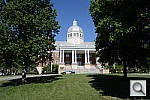 D3200FAR2WTW.JPG D3200FAR2WTW.NEF 13,355,643 bytes 6016×4000 1/400 sec f8.0 -0.7 EV 18.0 mm focal length ISO 100 |
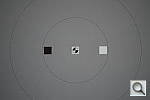 D3200FL06T.JPG 8,658,123 bytes 6016×4000 1/60 sec f5.6 0.0 EV 55.0 mm focal length ISO 200 |
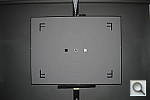 D3200FL06W.JPG 8,246,790 bytes 6016×4000 1/60 sec f3.5 0.0 EV 18.0 mm focal length ISO 200 |
 D3200FL07T.JPG 8,729,275 bytes 6016×4000 1/60 sec f5.6 0.0 EV 55.0 mm focal length ISO 200 |
 D3200FL07W.JPG 8,624,016 bytes 6016×4000 1/60 sec f3.5 0.0 EV 18.0 mm focal length ISO 200 |
 D3200FL08T.JPG 8,628,352 bytes 6016×4000 1/60 sec f5.6 0.0 EV 55.0 mm focal length ISO 200 |
 D3200FL08W.JPG 8,748,993 bytes 6016×4000 1/60 sec f3.5 0.0 EV 18.0 mm focal length ISO 200 |
 D3200FL09T.JPG 8,698,941 bytes 6016×4000 1/60 sec f5.6 0.0 EV 55.0 mm focal length ISO 200 |
 D3200FL09W.JPG 8,935,386 bytes 6016×4000 1/60 sec f3.5 0.0 EV 18.0 mm focal length ISO 200 |
 D3200FL10T.JPG 8,654,225 bytes 6016×4000 1/60 sec f5.6 0.0 EV 55.0 mm focal length ISO 200 |
 D3200FL10W.JPG 9,028,927 bytes 6016×4000 1/60 sec f3.5 0.0 EV 18.0 mm focal length ISO 200 |
 D3200FL11T.JPG 8,757,515 bytes 6016×4000 1/60 sec f5.6 0.0 EV 55.0 mm focal length ISO 200 |
 D3200FL11W.JPG 8,952,202 bytes 6016×4000 1/60 sec f3.5 0.0 EV 18.0 mm focal length ISO 200 |
 D3200FL12T.JPG 8,391,795 bytes 6016×4000 1/60 sec f5.6 0.0 EV 55.0 mm focal length ISO 200 |
 D3200FL12W.JPG 9,078,157 bytes 6016×4000 1/60 sec f3.5 0.0 EV 18.0 mm focal length ISO 200 |
 D3200FL13T.JPG 8,582,719 bytes 6016×4000 1/60 sec f5.6 0.0 EV 55.0 mm focal length ISO 200 |
 D3200FL13W.JPG 8,961,305 bytes 6016×4000 1/60 sec f3.5 0.0 EV 18.0 mm focal length ISO 200 |
 D3200FL14T.JPG 8,493,004 bytes 6016×4000 1/60 sec f5.6 0.0 EV 55.0 mm focal length ISO 200 |
 D3200FL14W.JPG 8,973,346 bytes 6016×4000 1/60 sec f3.5 0.0 EV 18.0 mm focal length ISO 200 |
 D3200FL15T.JPG 8,688,570 bytes 6016×4000 1/60 sec f5.6 0.0 EV 55.0 mm focal length ISO 200 |
 D3200FL15W.JPG 8,740,503 bytes 6016×4000 1/60 sec f3.5 0.0 EV 18.0 mm focal length ISO 200 |
 D3200FL16T.JPG 8,692,066 bytes 6016×4000 1/60 sec f5.6 0.0 EV 55.0 mm focal length ISO 200 |
 D3200FL16W.JPG 8,844,970 bytes 6016×4000 1/60 sec f3.5 0.0 EV 18.0 mm focal length ISO 200 |
 D3200FLFCT.JPG 8,552,989 bytes 6016×4000 1/60 sec f5.6 0.0 EV 55.0 mm focal length ISO 200 |
 D3200FLFCW.JPG 8,043,802 bytes 6016×4000 1/60 sec f3.5 0.0 EV 18.0 mm focal length ISO 200 |
 D3200FL_MFR106TM0200.JPG 8,300,746 bytes 6016×4000 1/160 sec f5.6 0.0 EV 55.0 mm focal length ISO 200 |
 D3200FL_MFR174WM0200.JPG 8,456,520 bytes 6016×4000 1/160 sec f3.5 0.0 EV 18.0 mm focal length ISO 200 |
 D3200INBAP0.JPG 9,850,507 bytes 6016×4000 0.4 sec f4.0 0.0 EV 60.0 mm focal length ISO 100 |
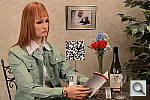 D3200INBAP1.JPG 9,777,410 bytes 6016×4000 0.3 sec f4.0 +0.3 EV 60.0 mm focal length ISO 100 |
 D3200INBAP2.JPG 9,937,911 bytes 6016×4000 0.4 sec f4.0 +0.7 EV 60.0 mm focal length ISO 100 |
 D3200INBAP3.JPG 10,030,403 bytes 6016×4000 0.5 sec f4.0 +1.0 EV 60.0 mm focal length ISO 100 |
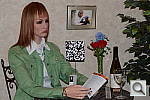 D3200INBFP0.JPG 9,764,342 bytes 6016×4000 1/60 sec f4.0 0.0 EV 60.0 mm focal length ISO 100 |
 D3200INBFP1.JPG 9,812,303 bytes 6016×4000 1/60 sec f4.0 0.0 EV 60.0 mm focal length ISO 100 |
 D3200INBFP2.JPG 9,852,840 bytes 6016×4000 1/60 sec f4.0 0.0 EV 60.0 mm focal length ISO 100 |
 D3200INBFP3.JPG 9,674,806 bytes 6016×4000 1/60 sec f4.0 0.0 EV 60.0 mm focal length ISO 100 |
 D3200INBFSP0.JPG 9,652,191 bytes 6016×4000 1/8 sec f4.0 0.0 EV 60.0 mm focal length ISO 100 |
 D3200INBFSP1.JPG 9,785,092 bytes 6016×4000 1/8 sec f4.0 0.0 EV 60.0 mm focal length ISO 100 |
 D3200INBFSP2.JPG 9,749,139 bytes 6016×4000 1/8 sec f4.0 0.0 EV 60.0 mm focal length ISO 100 |
 D3200INBFSP3.JPG 9,598,978 bytes 6016×4000 1/8 sec f4.0 0.0 EV 60.0 mm focal length ISO 100 |
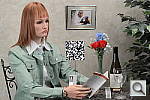 D3200INBI00100.JPG D3200INBI00100.NEF 9,190,889 bytes 6016×4000 0.4 sec f4.0 +0.7 EV 60.0 mm focal length ISO 100 |
 D3200INBI00200.JPG D3200INBI00200.NEF 9,564,327 bytes 6016×4000 1/5 sec f4.0 +0.7 EV 60.0 mm focal length ISO 200 |
 D3200INBI00400.JPG D3200INBI00400.NEF 9,831,130 bytes 6016×4000 1/10 sec f4.0 +0.7 EV 60.0 mm focal length ISO 400 |
 D3200INBI00800.JPG D3200INBI00800.NEF 10,683,620 bytes 6016×4000 1/20 sec f4.0 +0.7 EV 60.0 mm focal length ISO 800 |
 D3200INBI01600.JPG D3200INBI01600.NEF 10,984,475 bytes 6016×4000 1/40 sec f4.0 +0.7 EV 60.0 mm focal length ISO 1600 |
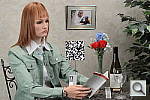 D3200INBI03200.JPG D3200INBI03200.NEF 12,109,947 bytes 6016×4000 1/80 sec f4.0 +0.7 EV 60.0 mm focal length ISO 3200 |
 D3200INBI06400.JPG D3200INBI06400.NEF 12,647,209 bytes 6016×4000 1/160 sec f4.0 +0.7 EV 60.0 mm focal length ISO 6400 |
 D3200INBI12800.JPG D3200INBI12800.NEF 14,799,262 bytes 6016×4000 1/320 sec f4.0 +0.7 EV 60.0 mm focal length ISO 12800 |
 D3200INBMP0.JPG 9,250,285 bytes 6016×4000 1/4 sec f4.0 0.0 EV 60.0 mm focal length ISO 100 |
 D3200INBMP1.JPG 9,121,632 bytes 6016×4000 0.3 sec f4.0 +0.3 EV 60.0 mm focal length ISO 100 |
 D3200INBMP2.JPG 9,204,374 bytes 6016×4000 0.4 sec f4.0 +0.7 EV 60.0 mm focal length ISO 100 |
 D3200INBMP3.JPG 9,260,897 bytes 6016×4000 0.5 sec f4.0 +1.0 EV 60.0 mm focal length ISO 100 |
 D3200INBTP0.JPG 9,513,968 bytes 6016×4000 1/4 sec f4.0 0.0 EV 60.0 mm focal length ISO 100 |
 D3200INBTP1.JPG 9,693,805 bytes 6016×4000 0.3 sec f4.0 +0.3 EV 60.0 mm focal length ISO 100 |
 D3200INBTP2.JPG 9,859,812 bytes 6016×4000 0.4 sec f4.0 +0.7 EV 60.0 mm focal length ISO 100 |
 D3200INBTP3.JPG 10,014,040 bytes 6016×4000 0.5 sec f4.0 +1.0 EV 60.0 mm focal length ISO 100 |
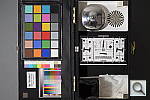 D3200LL001003.JPG D3200LL001003.NEF 8,944,760 bytes 6016×4000 2 sec f2.8 0.0 EV 60.0 mm focal length ISO 100 |
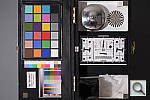 D3200LL001004.JPG D3200LL001004.NEF 8,952,866 bytes 6016×4000 4 sec f2.8 0.0 EV 60.0 mm focal length ISO 100 |
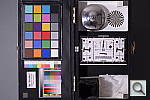 D3200LL001005.JPG D3200LL001005.NEF 8,977,484 bytes 6016×4000 8 sec f2.8 0.0 EV 60.0 mm focal length ISO 100 |
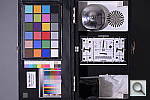 D3200LL001006.JPG D3200LL001006.NEF 8,839,468 bytes 6016×4000 15 sec f2.8 0.0 EV 60.0 mm focal length ISO 100 |
 D3200LL001007.JPG D3200LL001007.NEF 8,824,128 bytes 6016×4000 30 sec f2.8 0.0 EV 60.0 mm focal length ISO 100 |
 D3200LL001007XNR.JPG D3200LL001007XNR.NEF 9,307,968 bytes 6016×4000 30 sec f2.8 0.0 EV 60.0 mm focal length ISO 100 |
 D3200LL002003.JPG D3200LL002003.NEF 9,281,630 bytes 6016×4000 1 sec f2.8 0.0 EV 60.0 mm focal length ISO 200 |
 D3200LL002004.JPG D3200LL002004.NEF 9,470,118 bytes 6016×4000 2 sec f2.8 0.0 EV 60.0 mm focal length ISO 200 |
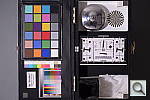 D3200LL002005.JPG D3200LL002005.NEF 9,458,835 bytes 6016×4000 4 sec f2.8 0.0 EV 60.0 mm focal length ISO 200 |
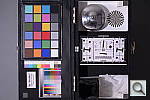 D3200LL002006.JPG D3200LL002006.NEF 9,319,294 bytes 6016×4000 8 sec f2.8 0.0 EV 60.0 mm focal length ISO 200 |
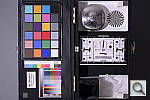 D3200LL002007.JPG D3200LL002007.NEF 9,326,883 bytes 6016×4000 15 sec f2.8 0.0 EV 60.0 mm focal length ISO 200 |
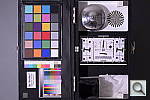 D3200LL002007XNR.JPG D3200LL002007XNR.NEF 9,819,020 bytes 6016×4000 15 sec f2.8 0.0 EV 60.0 mm focal length ISO 200 |
 D3200LL004003.JPG D3200LL004003.NEF 9,774,557 bytes 6016×4000 0.5 sec f2.8 0.0 EV 60.0 mm focal length ISO 400 |
 D3200LL004004.JPG D3200LL004004.NEF 9,793,648 bytes 6016×4000 1 sec f2.8 0.0 EV 60.0 mm focal length ISO 400 |
 D3200LL004005.JPG D3200LL004005.NEF 9,802,507 bytes 6016×4000 2 sec f2.8 0.0 EV 60.0 mm focal length ISO 400 |
 D3200LL004006.JPG D3200LL004006.NEF 9,822,305 bytes 6016×4000 4 sec f2.8 0.0 EV 60.0 mm focal length ISO 400 |
 D3200LL004007.JPG D3200LL004007.NEF 9,824,970 bytes 6016×4000 8 sec f2.8 0.0 EV 60.0 mm focal length ISO 400 |
 D3200LL004007XNR.JPG D3200LL004007XNR.NEF 10,713,511 bytes 6016×4000 8 sec f2.8 0.0 EV 60.0 mm focal length ISO 400 |
 D3200LL008003.JPG D3200LL008003.NEF 11,004,503 bytes 6016×4000 1/4 sec f2.8 0.0 EV 60.0 mm focal length ISO 800 |
 D3200LL008004.JPG D3200LL008004.NEF 11,024,507 bytes 6016×4000 0.5 sec f2.8 0.0 EV 60.0 mm focal length ISO 800 |
 D3200LL008005.JPG D3200LL008005.NEF 11,038,181 bytes 6016×4000 1 sec f2.8 0.0 EV 60.0 mm focal length ISO 800 |
 D3200LL008006.JPG D3200LL008006.NEF 10,937,543 bytes 6016×4000 2 sec f2.8 0.0 EV 60.0 mm focal length ISO 800 |
 D3200LL008007.JPG D3200LL008007.NEF 10,775,519 bytes 6016×4000 4 sec f2.8 0.0 EV 60.0 mm focal length ISO 800 |
 D3200LL008007XNR.JPG D3200LL008007XNR.NEF 12,155,901 bytes 6016×4000 4 sec f2.8 0.0 EV 60.0 mm focal length ISO 800 |
 D3200LL016003.JPG D3200LL016003.NEF 11,384,475 bytes 6016×4000 1/8 sec f2.8 0.0 EV 60.0 mm focal length ISO 1600 |
 D3200LL016004.JPG D3200LL016004.NEF 11,378,617 bytes 6016×4000 1/4 sec f2.8 0.0 EV 60.0 mm focal length ISO 1600 |
 D3200LL016005.JPG D3200LL016005.NEF 11,435,496 bytes 6016×4000 0.5 sec f2.8 0.0 EV 60.0 mm focal length ISO 1600 |
 D3200LL016006.JPG D3200LL016006.NEF 11,317,798 bytes 6016×4000 1 sec f2.8 0.0 EV 60.0 mm focal length ISO 1600 |
 D3200LL016007.JPG D3200LL016007.NEF 11,260,495 bytes 6016×4000 2 sec f2.8 0.0 EV 60.0 mm focal length ISO 1600 |
 D3200LL016007XNR.JPG D3200LL016007XNR.NEF 13,073,638 bytes 6016×4000 2 sec f2.8 0.0 EV 60.0 mm focal length ISO 1600 |
 D3200LL032003.JPG D3200LL032003.NEF 12,080,796 bytes 6016×4000 1/15 sec f2.8 0.0 EV 60.0 mm focal length ISO 3200 |
 D3200LL032004.JPG D3200LL032004.NEF 12,150,545 bytes 6016×4000 1/8 sec f2.8 0.0 EV 60.0 mm focal length ISO 3200 |
 D3200LL032005.JPG D3200LL032005.NEF 12,225,869 bytes 6016×4000 1/4 sec f2.8 0.0 EV 60.0 mm focal length ISO 3200 |
 D3200LL032006.JPG D3200LL032006.NEF 12,528,396 bytes 6016×4000 0.5 sec f2.8 0.0 EV 60.0 mm focal length ISO 3200 |
 D3200LL032007.JPG D3200LL032007.NEF 12,662,615 bytes 6016×4000 1 sec f2.8 0.0 EV 60.0 mm focal length ISO 3200 |
 D3200LL032007XNR.JPG D3200LL032007XNR.NEF 13,349,543 bytes 6016×4000 1 sec f2.8 0.0 EV 60.0 mm focal length ISO 3200 |
 D3200LL064003.JPG D3200LL064003.NEF 12,675,917 bytes 6016×4000 1/30 sec f2.8 0.0 EV 60.0 mm focal length ISO 6400 |
 D3200LL064004.JPG D3200LL064004.NEF 12,727,898 bytes 6016×4000 1/15 sec f2.8 0.0 EV 60.0 mm focal length ISO 6400 |
 D3200LL064005.JPG D3200LL064005.NEF 12,784,453 bytes 6016×4000 1/8 sec f2.8 0.0 EV 60.0 mm focal length ISO 6400 |
 D3200LL064006.JPG D3200LL064006.NEF 12,980,908 bytes 6016×4000 1/4 sec f2.8 0.0 EV 60.0 mm focal length ISO 6400 |
 D3200LL064007.JPG D3200LL064007.NEF 13,241,516 bytes 6016×4000 0.5 sec f2.8 0.0 EV 60.0 mm focal length ISO 6400 |
 D3200LL064007XNR.JPG D3200LL064007XNR.NEF 13,465,748 bytes 6016×4000 0.5 sec f2.8 0.0 EV 60.0 mm focal length ISO 6400 |
 D3200LL128003.JPG D3200LL128003.NEF 14,959,350 bytes 6016×4000 1/60 sec f2.8 0.0 EV 60.0 mm focal length ISO 12800 |
 D3200LL128004.JPG D3200LL128004.NEF 14,940,709 bytes 6016×4000 1/30 sec f2.8 0.0 EV 60.0 mm focal length ISO 12800 |
 D3200LL128005.JPG D3200LL128005.NEF 14,988,802 bytes 6016×4000 1/15 sec f2.8 0.0 EV 60.0 mm focal length ISO 12800 |
 D3200LL128006.JPG D3200LL128006.NEF 13,770,209 bytes 6016×4000 1/8 sec f2.8 0.0 EV 60.0 mm focal length ISO 12800 |
 D3200LL128007.JPG D3200LL128007.NEF 13,725,707 bytes 6016×4000 1/4 sec f2.8 0.0 EV 60.0 mm focal length ISO 12800 |
 D3200LL128007XNR.JPG D3200LL128007XNR.NEF 14,770,893 bytes 6016×4000 1/4 sec f2.8 0.0 EV 60.0 mm focal length ISO 12800 |
 D3200MAC.JPG 10,007,849 bytes 6016×4000 1/50 sec f8.0 0.0 EV 55.0 mm focal length ISO 100 |
 D3200MACFL.JPG 11,736,060 bytes 6016×4000 1/60 sec f8.0 0.0 EV 55.0 mm focal length ISO 100 |
 D3200OUTBAP0.JPG D3200OUTBAP0.NEF 8,740,859 bytes 4000×6016 1/40 sec f8.0 0.0 EV 60.0 mm focal length ISO 100 |
 D3200OUTBAP1.JPG D3200OUTBAP1.NEF 8,873,966 bytes 4000×6016 1/30 sec f8.0 +0.3 EV 60.0 mm focal length ISO 100 |
 D3200OUTBAP2.JPG D3200OUTBAP2.NEF 8,964,685 bytes 4000×6016 1/25 sec f8.0 +0.7 EV 60.0 mm focal length ISO 100 |
 D3200OUTBAP3.JPG D3200OUTBAP3.NEF 9,005,291 bytes 4000×6016 1/20 sec f8.0 +1.0 EV 60.0 mm focal length ISO 100 |
 D3200OUTBCON1.JPG 9,005,646 bytes 4000×6016 1/40 sec f8.0 0.0 EV 60.0 mm focal length ISO 100 |
 D3200OUTBCON2.JPG 8,924,878 bytes 4000×6016 1/40 sec f8.0 0.0 EV 60.0 mm focal length ISO 100 |
 D3200OUTBCON3.JPG 8,654,056 bytes 4000×6016 1/40 sec f8.0 0.0 EV 60.0 mm focal length ISO 100 |
 D3200OUTBCON4D.JPG 8,656,763 bytes 4000×6016 1/40 sec f8.0 0.0 EV 60.0 mm focal length ISO 100 |
 D3200OUTBCON5.JPG 8,232,933 bytes 4000×6016 1/40 sec f8.0 0.0 EV 60.0 mm focal length ISO 100 |
 D3200OUTBCON6.JPG 8,154,322 bytes 4000×6016 1/40 sec f8.0 0.0 EV 60.0 mm focal length ISO 100 |
 D3200OUTBCON7.JPG 7,716,646 bytes 4000×6016 1/40 sec f8.0 0.0 EV 60.0 mm focal length ISO 100 |
 D3200OUTBCONA.JPG 8,723,674 bytes 4000×6016 1/40 sec f8.0 0.0 EV 60.0 mm focal length ISO 100 |
 D3200OUTBDP0.JPG 8,857,561 bytes 4000×6016 1/40 sec f8.0 0.0 EV 60.0 mm focal length ISO 100 |
 D3200OUTBDP1.JPG 9,042,079 bytes 4000×6016 1/30 sec f8.0 +0.3 EV 60.0 mm focal length ISO 100 |
 D3200OUTBDP2.JPG 9,184,303 bytes 4000×6016 1/25 sec f8.0 +0.7 EV 60.0 mm focal length ISO 100 |
 D3200OUTBDP3.JPG 9,220,444 bytes 4000×6016 1/20 sec f8.0 +1.0 EV 60.0 mm focal length ISO 100 |
 D3200OUTBMP0.JPG 8,660,537 bytes 4000×6016 1/40 sec f8.0 0.0 EV 60.0 mm focal length ISO 100 |
 D3200OUTBMP1.JPG 8,836,599 bytes 4000×6016 1/30 sec f8.0 +0.3 EV 60.0 mm focal length ISO 100 |
 D3200OUTBMP2.JPG 8,974,963 bytes 4000×6016 1/25 sec f8.0 +0.7 EV 60.0 mm focal length ISO 100 |
 D3200OUTBMP3.JPG 8,989,938 bytes 4000×6016 1/20 sec f8.0 +1.0 EV 60.0 mm focal length ISO 100 |
 D3200OUTBSAT1.JPG 8,083,170 bytes 4000×6016 1/40 sec f8.0 0.0 EV 60.0 mm focal length ISO 100 |
 D3200OUTBSAT2.JPG 8,197,058 bytes 4000×6016 1/40 sec f8.0 0.0 EV 60.0 mm focal length ISO 100 |
 D3200OUTBSAT3.JPG 8,500,265 bytes 4000×6016 1/40 sec f8.0 0.0 EV 60.0 mm focal length ISO 100 |
 D3200OUTBSAT4D.JPG 8,540,633 bytes 4000×6016 1/40 sec f8.0 0.0 EV 60.0 mm focal length ISO 100 |
 D3200OUTBSAT5.JPG 8,760,252 bytes 4000×6016 1/40 sec f8.0 0.0 EV 60.0 mm focal length ISO 100 |
 D3200OUTBSAT6.JPG 8,809,338 bytes 4000×6016 1/40 sec f8.0 0.0 EV 60.0 mm focal length ISO 100 |
 D3200OUTBSAT7.JPG 9,053,689 bytes 4000×6016 1/40 sec f8.0 0.0 EV 60.0 mm focal length ISO 100 |
 D3200OUTBSATA.JPG 8,540,750 bytes 4000×6016 1/40 sec f8.0 0.0 EV 60.0 mm focal length ISO 100 |
 D3200OUTB_ADL0.JPG 8,528,643 bytes 4000×6016 1/40 sec f8.0 0.0 EV 60.0 mm focal length ISO 100 |
 D3200OUTB_ADL1.JPG 8,518,069 bytes 4000×6016 1/60 sec f8.0 0.0 EV 60.0 mm focal length ISO 100 |
 D3200OUTB_AUTO.JPG 9,359,786 bytes 4000×6016 1/320 sec f5.0 0.0 EV 60.0 mm focal length ISO 400 |
 D3200OUTB_AUTOFL.JPG 8,104,026 bytes 4000×6016 1/125 sec f4.0 0.0 EV 60.0 mm focal length ISO 100 |
 D3200OUTB_FACE.JPG 8,782,419 bytes 4000×6016 1/25 sec f8.0 0.0 EV 60.0 mm focal length ISO 100 |
 D3200PINE.JPG D3200PINE.NEF 13,700,121 bytes 6016×4000 1/200 sec f8.0 0.0 EV 35.0 mm focal length ISO 100 |
 D3200PINE_ACRu300r03.JPG 23,911,806 bytes 6016×4000 1/200 sec f8.0 0.0 EV 35.0 mm focal length ISO 100 |
 D3200PINE_VNX.JPG 14,204,387 bytes 6016×4000 1/200 sec f8.0 0.0 EV 35.0 mm focal length ISO 100 |
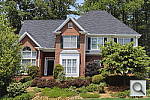 D3200hHOUSE.JPG D3200hHOUSE.NEF 14,115,341 bytes 6016×4000 1/30 sec f5.6 0.0 EV 60.0 mm focal length ISO 100 |
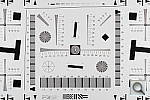 D3200hRES3008.JPG 2,476,950 bytes 3008×2000 1/40 sec f5.6 0.0 EV 60.0 mm focal length ISO 100 |
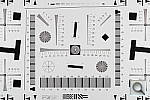 D3200hRES4512.JPG 4,169,500 bytes 4512×3000 1/40 sec f5.6 0.0 EV 60.0 mm focal length ISO 100 |
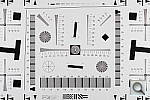 D3200hRES6016E.JPG 1,810,948 bytes 6016×4000 1/40 sec f5.6 0.0 EV 60.0 mm focal length ISO 100 |
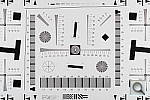 D3200hRES6016F.JPG D3200hRES6016F.NEF 6,689,755 bytes 6016×4000 1/40 sec f5.6 0.0 EV 60.0 mm focal length ISO 100 |
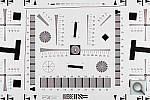 D3200hRES6016F_ACR300r03.JPG 9,750,594 bytes 6016×4000 1/40 sec f5.6 0.0 EV 60.0 mm focal length ISO 100 |
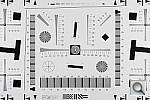 D3200hRES6016N.JPG 4,967,898 bytes 6016×4000 1/40 sec f5.6 0.0 EV 60.0 mm focal length ISO 100 |
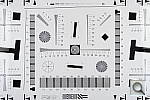 D3200hRESM.JPG D3200hRESM.NEF 6,536,283 bytes 6016×4000 1/40 sec f5.6 0.0 EV 34.0 mm focal length ISO 100 |
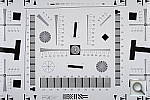 D3200hREST.JPG D3200hREST.NEF 6,466,851 bytes 6016×4000 1/40 sec f5.6 0.0 EV 55.0 mm focal length ISO 100 |
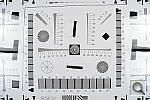 D3200hRESW.JPG D3200hRESW.NEF 6,849,294 bytes 6016×4000 1/40 sec f5.6 0.0 EV 18.0 mm focal length ISO 100 |
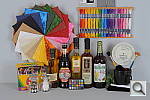 D3200hSLCON1.JPG 10,412,776 bytes 6016×4000 1/15 sec f8.0 0.0 EV 60.0 mm focal length ISO 100 |
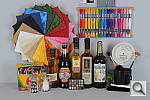 D3200hSLCON2.JPG 10,520,066 bytes 6016×4000 1/15 sec f8.0 0.0 EV 60.0 mm focal length ISO 100 |
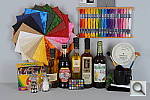 D3200hSLCON3.JPG 10,675,149 bytes 6016×4000 1/15 sec f8.0 0.0 EV 60.0 mm focal length ISO 100 |
 D3200hSLCON4D.JPG 10,802,486 bytes 6016×4000 1/15 sec f8.0 0.0 EV 60.0 mm focal length ISO 100 |
 D3200hSLCON5.JPG 10,867,647 bytes 6016×4000 1/15 sec f8.0 0.0 EV 60.0 mm focal length ISO 100 |
 D3200hSLCON6.JPG 11,037,618 bytes 6016×4000 1/15 sec f8.0 0.0 EV 60.0 mm focal length ISO 100 |
 D3200hSLCON7.JPG 11,103,007 bytes 6016×4000 1/15 sec f8.0 0.0 EV 60.0 mm focal length ISO 100 |
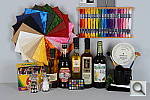 D3200hSLCONA.JPG 10,863,148 bytes 6016×4000 1/15 sec f8.0 0.0 EV 60.0 mm focal length ISO 100 |
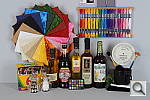 D3200hSLI00100NR0.JPG D3200hSLI00100NR0.NEF 11,011,904 bytes 6016×4000 1/15 sec f8.0 0.0 EV 60.0 mm focal length ISO 100 |
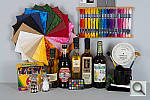 D3200hSLI00100NR0_ACR.JPG 15,722,393 bytes 6016×4000 1/15 sec f8.0 0.0 EV 60.0 mm focal length ISO 100 |
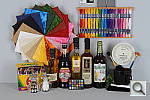 D3200hSLI00100NR1D.JPG D3200hSLI00100NR1D.NEF 10,803,170 bytes 6016×4000 1/15 sec f8.0 0.0 EV 60.0 mm focal length ISO 100 |
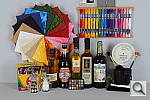 D3200hSLI00200NR0.JPG D3200hSLI00200NR0.NEF 11,219,730 bytes 6016×4000 1/30 sec f8.0 0.0 EV 60.0 mm focal length ISO 200 |
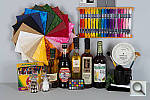 D3200hSLI00200NR0_ACR.JPG 17,543,023 bytes 6016×4000 1/30 sec f8.0 0.0 EV 60.0 mm focal length ISO 200 |
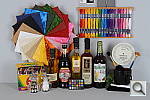 D3200hSLI00200NR1D.JPG D3200hSLI00200NR1D.NEF 10,934,545 bytes 6016×4000 1/30 sec f8.0 0.0 EV 60.0 mm focal length ISO 200 |
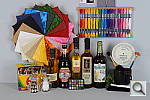 D3200hSLI00400NR0.JPG D3200hSLI00400NR0.NEF 11,964,026 bytes 6016×4000 1/60 sec f8.0 0.0 EV 60.0 mm focal length ISO 400 |
 D3200hSLI00400NR0_ACR.JPG 19,943,037 bytes 6016×4000 1/60 sec f8.0 0.0 EV 60.0 mm focal length ISO 400 |
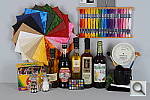 D3200hSLI00400NR1D.JPG D3200hSLI00400NR1D.NEF 11,127,165 bytes 6016×4000 1/60 sec f8.0 0.0 EV 60.0 mm focal length ISO 400 |
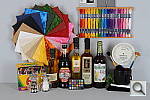 D3200hSLI00800NR0.JPG D3200hSLI00800NR0.NEF 13,107,023 bytes 6016×4000 1/125 sec f8.0 0.0 EV 60.0 mm focal length ISO 800 |
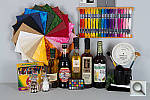 D3200hSLI00800NR0_ACR.JPG 23,002,308 bytes 6016×4000 1/125 sec f8.0 0.0 EV 60.0 mm focal length ISO 800 |
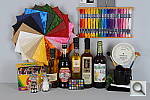 D3200hSLI00800NR1D.JPG D3200hSLI00800NR1D.NEF 11,905,280 bytes 6016×4000 1/125 sec f8.0 0.0 EV 60.0 mm focal length ISO 800 |
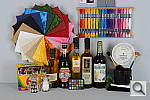 D3200hSLI01600NR0.JPG D3200hSLI01600NR0.NEF 13,748,476 bytes 6016×4000 1/250 sec f8.0 0.0 EV 60.0 mm focal length ISO 1600 |
 D3200hSLI01600NR0_ACR.JPG 26,535,869 bytes 6016×4000 1/250 sec f8.0 0.0 EV 60.0 mm focal length ISO 1600 |
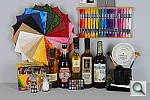 D3200hSLI01600NR1D.JPG D3200hSLI01600NR1D.NEF 12,063,036 bytes 6016×4000 1/250 sec f8.0 0.0 EV 60.0 mm focal length ISO 1600 |
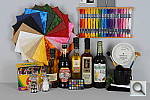 D3200hSLI03200NR0.JPG D3200hSLI03200NR0.NEF 13,786,752 bytes 6016×4000 1/500 sec f8.0 0.0 EV 60.0 mm focal length ISO 3200 |
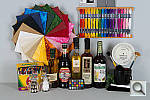 D3200hSLI03200NR0_ACR.JPG 31,437,287 bytes 6016×4000 1/500 sec f8.0 0.0 EV 60.0 mm focal length ISO 3200 |
 D3200hSLI03200NR1D.JPG D3200hSLI03200NR1D.NEF 12,884,055 bytes 6016×4000 1/500 sec f8.0 0.0 EV 60.0 mm focal length ISO 3200 |
 D3200hSLI06400NR0.JPG D3200hSLI06400NR0.NEF 13,836,938 bytes 6016×4000 1/1000 sec f8.0 0.0 EV 60.0 mm focal length ISO 6400 |
 D3200hSLI06400NR0_ACR.JPG 36,824,905 bytes 6016×4000 1/1000 sec f8.0 0.0 EV 60.0 mm focal length ISO 6400 |
 D3200hSLI06400NR1D.JPG D3200hSLI06400NR1D.NEF 13,411,509 bytes 6016×4000 1/1000 sec f8.0 0.0 EV 60.0 mm focal length ISO 6400 |
 D3200hSLI12800NR0.JPG D3200hSLI12800NR0.NEF 15,133,835 bytes 6016×4000 1/2000 sec f8.0 0.0 EV 60.0 mm focal length ISO 12800 |
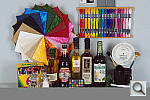 D3200hSLI12800NR0_ACR.JPG 39,305,216 bytes 6016×4000 1/2000 sec f8.0 0.0 EV 60.0 mm focal length ISO 12800 |
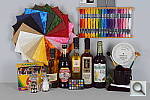 D3200hSLI12800NR1D.JPG D3200hSLI12800NR1D.NEF 15,049,206 bytes 6016×4000 1/2000 sec f8.0 0.0 EV 60.0 mm focal length ISO 12800 |
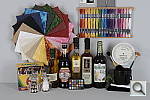 D3200hSLSAT1.JPG 10,040,692 bytes 6016×4000 1/15 sec f8.0 0.0 EV 60.0 mm focal length ISO 100 |
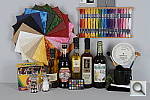 D3200hSLSAT2.JPG 10,262,600 bytes 6016×4000 1/15 sec f8.0 0.0 EV 60.0 mm focal length ISO 100 |
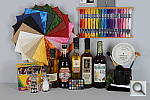 D3200hSLSAT3.JPG 10,585,275 bytes 6016×4000 1/15 sec f8.0 0.0 EV 60.0 mm focal length ISO 100 |
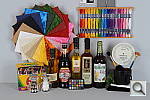 D3200hSLSAT4D.JPG 10,806,293 bytes 6016×4000 1/15 sec f8.0 0.0 EV 60.0 mm focal length ISO 100 |
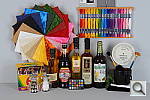 D3200hSLSAT5.JPG 10,918,835 bytes 6016×4000 1/15 sec f8.0 0.0 EV 60.0 mm focal length ISO 100 |
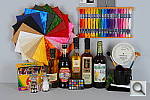 D3200hSLSAT6.JPG 11,092,549 bytes 6016×4000 1/15 sec f8.0 0.0 EV 60.0 mm focal length ISO 100 |
 D3200hSLSAT7.JPG 11,227,599 bytes 6016×4000 1/15 sec f8.0 0.0 EV 60.0 mm focal length ISO 100 |
 D3200hSLSATA.JPG 10,807,318 bytes 6016×4000 1/15 sec f8.0 0.0 EV 60.0 mm focal length ISO 100 |
 D3200hSL_ADL0.JPG 10,769,677 bytes 6016×4000 1/15 sec f8.0 0.0 EV 60.0 mm focal length ISO 100 |
 D3200hSL_ADL1D.JPG 11,109,159 bytes 6016×4000 1/15 sec f8.0 0.0 EV 60.0 mm focal length ISO 100 |
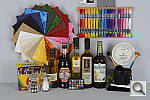 D3200hSL_ADOBE.JPG 10,416,197 bytes 6016×4000 1/15 sec f8.0 0.0 EV 60.0 mm focal length ISO 100 |
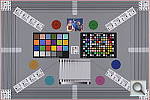 D3200hVFAI00100_60.JPG D3200hVFAI00100_60.NEF 10,019,681 bytes 6016×4000 1/40 sec f5.6 0.0 EV 60.0 mm focal length ISO 100 |
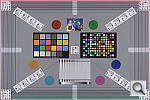 D3200hVFAI00200_60.JPG D3200hVFAI00200_60.NEF 10,715,019 bytes 6016×4000 1/80 sec f5.6 0.0 EV 60.0 mm focal length ISO 200 |
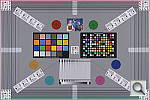 D3200hVFAI00400_60.JPG D3200hVFAI00400_60.NEF 11,357,066 bytes 6016×4000 1/160 sec f5.6 0.0 EV 60.0 mm focal length ISO 400 |
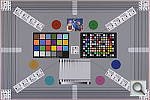 D3200hVFAI00800_60.JPG D3200hVFAI00800_60.NEF 12,527,319 bytes 6016×4000 1/320 sec f5.6 0.0 EV 60.0 mm focal length ISO 800 |
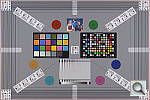 D3200hVFAI01600_60.JPG D3200hVFAI01600_60.NEF 12,846,896 bytes 6016×4000 1/640 sec f5.6 0.0 EV 60.0 mm focal length ISO 1600 |
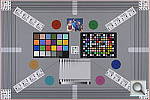 D3200hVFAI03200_60.JPG D3200hVFAI03200_60.NEF 13,812,183 bytes 6016×4000 1/1250 sec f5.6 0.0 EV 60.0 mm focal length ISO 3200 |
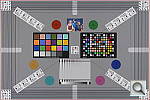 D3200hVFAI06400_60.JPG D3200hVFAI06400_60.NEF 14,014,539 bytes 6016×4000 1/2500 sec f5.6 0.0 EV 60.0 mm focal length ISO 6400 |
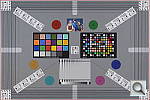 D3200hVFAI12800_60.JPG D3200hVFAI12800_60.NEF 13,763,250 bytes 6016×4000 1/2500 sec f8.0 0.0 EV 60.0 mm focal length ISO 12800 |
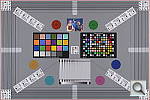 D3200hVFAL_60.JPG D3200hVFAL_60.NEF 10,019,681 bytes 6016×4000 1/40 sec f5.6 0.0 EV 60.0 mm focal length ISO 100 |
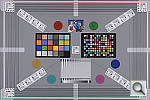 D3200hVFAO_60.JPG D3200hVFAO_60.NEF 10,086,476 bytes 6016×4000 1/40 sec f5.6 0.0 EV 60.0 mm focal length ISO 100 |
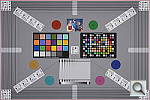 D3200hVFAT_F56.JPG D3200hVFAT_F56.NEF 9,399,109 bytes 6016×4000 1/25 sec f5.6 0.0 EV 55.0 mm focal length ISO 100 |
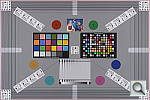 D3200hVFAT_F80.JPG D3200hVFAT_F80.NEF 9,782,453 bytes 6016×4000 1/15 sec f8.0 0.0 EV 55.0 mm focal length ISO 100 |
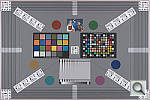 D3200hVFAT_F80_DCR.JPG 9,043,204 bytes 6035×4012 1/15 sec f8.0 Unreported EV 55.0 mm focal length ISO 100 |
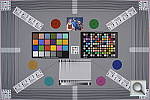 D3200hVFAWB.JPG D3200hVFAWB.NEF 9,794,931 bytes 6016×4000 1/80 sec f3.5 0.0 EV 18.0 mm focal length ISO 100 |
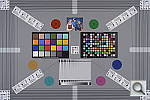 D3200hVFAWS_DC.JPG D3200hVFAWS_DC.NEF 9,093,956 bytes 6016×4000 1/20 sec f8.0 0.0 EV 18.0 mm focal length ISO 100 |
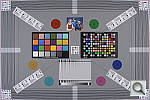 D3200hVFAWS_F56.JPG D3200hVFAWS_F56.NEF 9,933,545 bytes 6016×4000 1/40 sec f5.6 0.0 EV 18.0 mm focal length ISO 100 |
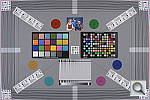 D3200hVFAWS_F80.JPG D3200hVFAWS_F80.NEF 10,024,636 bytes 6016×4000 1/20 sec f8.0 0.0 EV 18.0 mm focal length ISO 100 |
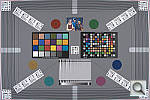 D3200hVFAWS_F80_DCR.JPG 10,590,687 bytes 6035×4012 1/20 sec f8.0 Unreported EV 18.0 mm focal length ISO 100 |
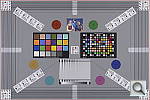 D3200hVFA_ADOBE_60.JPG 9,883,948 bytes 6016×4000 1/40 sec f5.6 0.0 EV 60.0 mm focal length ISO 100 |
All images copyright © 2012 by The Imaging Resource. All rights reserved.