
Digital Cameras – Nikon D3S Test Images
Not sure which camera to buy? Let your eyes be the ultimate judge!
Visit our Comparometer(tm)
to compare images from the Nikon D3S with those from other
cameras you may be considering. The proof is in the pictures, so let
your own eyes decide which you like best!
|
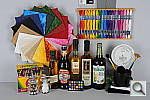
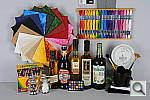
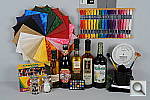
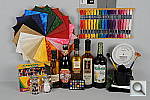
This is our new “Still Life” test target. We’re combining Here’s what to look for in this target:
|
||||||||||||||||||||||||||||||||||||||||||||||||||||||||||||||||||||||||||||||||||||||||||||||||||||||||||||||||||||||||||||||||||
|
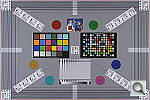
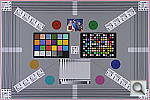
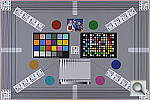
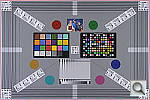
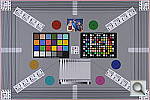
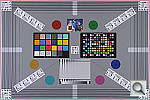
Our new “Multi Target” was first put into use in April, 2009, replacing the earlier “interim” design. This target incorporates a number of elements that combine aspects of the previous Multi target, as well as the previous Viewfinder Accuracy or “VFA” chart. Here’s some of what you’ll find in this target: Framing marks: This chart evolved from the earlier Viewfinder Accuracy chart, so one of its major uses is to measure viewfinder accuracy. (See notes in the Viewfinder Accuracy section, at the bottom of this page, for more information on this.) USAF resolution targets: An important use of this target is in evaluating lens quality, looking how well sharpness holds up as you move from the center to the corners of the frame. The little “USAF” resolution targets arranged at the center, in the corners, and along the diagonals are very useful for making fine judgements about blur, flare and aberrations in the image. We generally show crops of a USAF chip from a corner of the target and from the center, to show how lenses hold sharpness at wide and telephoto focal lengths. Alignment “bullseyes:” We find these graphics from the graphic arts world (used to align sheets of film in the old film-based prepress days) very useful for seeing chromatic aberration in lenses. The bold black/white elements are good for seeing the colored fringes caused by CA in the corners of the frame. MacBeth ColorChecker Chart: This is about as common a color standard as you can get these days, very widely available for only mildly exorbitant cost, and quite well controlled in its production. It thus serves as a good basis of comparison between cameras and between test setups. Imatest also understands the MacBeth colors very well, and uses them to produce its color accuracy map that we feature in all our reviews. MacBeth ColorChecker SG Chart: The ColorChecker SG chart provides a wider range of colors, to give a more detailed map of a camera’s color handling. We haven’t begun using this chart in the color-accuracy graphs we routinely offer, but expect to do so at some point in the future. In the meantime, we sometimes refer to this chart internally, to get a more complete idea of what a camera’s color map looks like. Log C/F Target: The progressive resolution pattern located just below the center of the target is a Log C/F (logarithmic contrast vs spatial frequency) chart. Digital camera noise reduction routines work by looking at levels of local contrast, flattening-out detail at progressively lower spatial frequencies as the local contrast decreases. (This is very commonly seen in human hair, grass, foliage, and other subjects with subtly-contrasting fine detail.) This chart lets Imatest analyze just how a camera makes the tradeoff between contrast, detail, and image noise. Color Starbursts: The six circular starburst elements arranged around the target are intended to reveal de-mosaicing artifacts and color-dependent resolution issues. The six starbursts provide examples of each combination of RGB colors intersecting each other. (That is, red, green, and blue against black, plus red against green, green against blue, and blue against red.) Given that the most common sensor RGB color filter pattern (the so-called Bayer) pattern has twice as many green pixels as red or blue, you’ll generally see that the green/black starburst shows the best resolution, while the blue/red one shows the worst. The effects of different sensor geometries and color filter array patterns will be revealed here. Musicians Image: Synthetic test patterns only tell you so much. While we have a lot of pictorial images in our other test targets, we thought it would be useful to include a small “natural” image here as well.
|
||||||||||||||||||||||||||||||||||||||||||||||||||||||||||||||||||||||||||||||||||||||||||||||||||||||||||||||||||||||||||||||||||
|
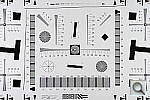
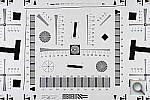
Part of the impetus in developing the new Multi Target in April 2009 was to switch to using a new 2x target for the resolution measurements, since the original ISO 12233 chart we’d used since the site first began in 1998(!) had become inadequate for testing the highest-resolution cameras. We’d for quite some time had a “homemade” 2x target, employing a shrunk version of the ISO 12233 chart, shot at 1/2 size. The resolution numbers on that chart all needed to be doubled to convert to the actual values, though, so we decided to go with a commercial 2x target to eliminate possible confusion on the part of our readers. Numbers on this new 2x resolution chart now read directly in hundreds of lines/picture height. (Because almost all of the area of this new resolution chart is now meaningful for resolution measurements, there was no longer space on it to overlay the MacBeth and other color targets on our prior Multi chart; hence the simultaneous change in our Multi target.)
|
||||||||||||||||||||||||||||||||||||||||||||||||||||||||||||||||||||||||||||||||||||||||||||||||||||||||||||||||||||||||||||||||||
|
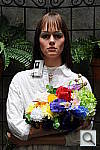
“Sunlit” Portrait: The lighting in this shot is deliberately awful, about what you’d expect The reason for the harsh lighting is to provide a real “torture Look for:
To view the entire exposure series from zero to +1.0 EV, see files D3SOUTBAP0.HTM through D3SOUTBAP3.HTM on the thumbnail
|
||||||||||||||||||||||||||||||||||||||||||||||||||||||||||||||||||||||||||||||||||||||||||||||||||||||||||||||||||||||||||||||||||
Indoor Portrait, No Flash:
The incandescent lighting used in most US homes actually has a very The incandescent lighting used for this shot is thus not only very common Most cameras’ auto white balance systems have a great deal of difficulty If you intend to do much shooting indoors after dark, pay careful attention To view the entire exposure series from zero to +1.0 EV, see files D3SINBMP0.HTM through D3SINBMP3.HTM on the thumbnail ISO Series: One additional note about this particular test series though: Because
|
||||||||||||||||||||||||||||||||||||||||||||||||||||||||||||||||||||||||||||||||||||||||||||||||||||||||||||||||||||||||||||||||||
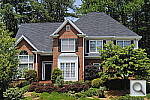
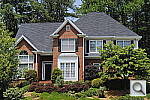
House Shot:
Like several of our tests, these images are actually photos of a high-resolution poster, shot under studio lighting. The shots for this camera were captured with our third-generation House poster, which was assembled from 45 separate 11-megapixel images, shot with a very high-quality lens, and then stitched together into a single image. The resulting image amounts to about 450 very high-quality megapixels. This should have sufficient detail to comfortably challenge cameras up to at least 80-100 megapixels. (And even with higher-resolution cameras, we believe that the camera lenses themselves would be more likely to limit resolution than would the detail in the poster.) Why did we choose to shoot a picture of a picture? The idea was to show a typical subject (a house and surrounding foliage) in a way that would be absolutely consistent from camera to camera. Any outdoor subject is going to vary considerably from day to day, as the lighting changes with the weather, atmospheric conditions, and season. Shooting a poster lets us compare images from cameras shot weeks, months, or even years apart, with the sure knowledge that nothing has changed from one shot to another. Things to look for here are fine detail, as seen in the foliage and tree limbs against the sky, sharpness in the corners, and the preservation of subtle detail in the shaded brick patterns. – Many cameras with overactive noise suppression severely blur the brick patterns that are in shadow. |
||||||||||||||||||||||||||||||||||||||||||||||||||||||||||||||||||||||||||||||||||||||||||||||||||||||||||||||||||||||||||||||||||
Far-Field Test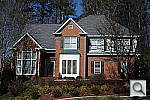
While the House poster in the shot above provides absolute repeatability Things to look for here are how well the camera handles the range of Note though, that because this is shot outdoors, the character of the
|
||||||||||||||||||||||||||||||||||||||||||||||||||||||||||||||||||||||||||||||||||||||||||||||||||||||||||||||||||||||||||||||||||
|
“Davebox” Test Target
Because most of its various elements are now contained or represented in the combination of the Still Life and Multi Target shots, we no longer routinely shoot the Davebox by itself, as would normally appear in this space. (We do however, still use it for our low light test below.) |
||||||||||||||||||||||||||||||||||||||||||||||||||||||||||||||||||||||||||||||||||||||||||||||||||||||||||||||||||||||||||||||||||
|
Low-Light Tests Low light photography is an area where there are really enormous differences
(Note: If you’d like to use a light meter to check light levels
|
||||||||||||||||||||||||||||||||||||||||||||||||||||||||||||||||||||||||||||||||||||||||||||||||||||||||||||||||||||||||||||||||||
|
Viewfinder Accuracy Viewfinder accuracy is an important parameter, especially for shots Unlike the optical viewfinders, the LCD viewfinders on most digital Things to look for on this test chart are:
|
||||||||||||||||||||||||||||||||||||||||||||||||||||||||||||||||||||||||||||||||||||||||||||||||||||||||||||||||||||||||||||||||||








Digital Cameras – Nikon D3S Test Images
Not sure which camera to buy? Let your eyes be the ultimate judge!
Visit our Comparometer(tm)
to compare images from the Nikon D3S with those from other
cameras you may be considering. The proof is in the pictures, so let
your own eyes decide which you like best!
|
This is our new “Still Life” test target. We’re combining Here’s what to look for in this target:
|
||||||||||||||||||||||||||||||||||||||||||||||||||||||||||||||||||||||||||||||||||||||||||||||||||||||||||||||||||||||||||||||||||
|
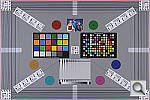
Our new “Multi Target” was first put into use in April, 2009, replacing the earlier “interim” design. This target incorporates a number of elements that combine aspects of the previous Multi target, as well as the previous Viewfinder Accuracy or “VFA” chart. Here’s some of what you’ll find in this target: Framing marks: This chart evolved from the earlier Viewfinder Accuracy chart, so one of its major uses is to measure viewfinder accuracy. (See notes in the Viewfinder Accuracy section, at the bottom of this page, for more information on this.) USAF resolution targets: An important use of this target is in evaluating lens quality, looking how well sharpness holds up as you move from the center to the corners of the frame. The little “USAF” resolution targets arranged at the center, in the corners, and along the diagonals are very useful for making fine judgements about blur, flare and aberrations in the image. We generally show crops of a USAF chip from a corner of the target and from the center, to show how lenses hold sharpness at wide and telephoto focal lengths. Alignment “bullseyes:” We find these graphics from the graphic arts world (used to align sheets of film in the old film-based prepress days) very useful for seeing chromatic aberration in lenses. The bold black/white elements are good for seeing the colored fringes caused by CA in the corners of the frame. MacBeth ColorChecker Chart: This is about as common a color standard as you can get these days, very widely available for only mildly exorbitant cost, and quite well controlled in its production. It thus serves as a good basis of comparison between cameras and between test setups. Imatest also understands the MacBeth colors very well, and uses them to produce its color accuracy map that we feature in all our reviews. MacBeth ColorChecker SG Chart: The ColorChecker SG chart provides a wider range of colors, to give a more detailed map of a camera’s color handling. We haven’t begun using this chart in the color-accuracy graphs we routinely offer, but expect to do so at some point in the future. In the meantime, we sometimes refer to this chart internally, to get a more complete idea of what a camera’s color map looks like. Log C/F Target: The progressive resolution pattern located just below the center of the target is a Log C/F (logarithmic contrast vs spatial frequency) chart. Digital camera noise reduction routines work by looking at levels of local contrast, flattening-out detail at progressively lower spatial frequencies as the local contrast decreases. (This is very commonly seen in human hair, grass, foliage, and other subjects with subtly-contrasting fine detail.) This chart lets Imatest analyze just how a camera makes the tradeoff between contrast, detail, and image noise. Color Starbursts: The six circular starburst elements arranged around the target are intended to reveal de-mosaicing artifacts and color-dependent resolution issues. The six starbursts provide examples of each combination of RGB colors intersecting each other. (That is, red, green, and blue against black, plus red against green, green against blue, and blue against red.) Given that the most common sensor RGB color filter pattern (the so-called Bayer) pattern has twice as many green pixels as red or blue, you’ll generally see that the green/black starburst shows the best resolution, while the blue/red one shows the worst. The effects of different sensor geometries and color filter array patterns will be revealed here. Musicians Image: Synthetic test patterns only tell you so much. While we have a lot of pictorial images in our other test targets, we thought it would be useful to include a small “natural” image here as well.
|
||||||||||||||||||||||||||||||||||||||||||||||||||||||||||||||||||||||||||||||||||||||||||||||||||||||||||||||||||||||||||||||||||
|
Part of the impetus in developing the new Multi Target in April 2009 was to switch to using a new 2x target for the resolution measurements, since the original ISO 12233 chart we’d used since the site first began in 1998(!) had become inadequate for testing the highest-resolution cameras. We’d for quite some time had a “homemade” 2x target, employing a shrunk version of the ISO 12233 chart, shot at 1/2 size. The resolution numbers on that chart all needed to be doubled to convert to the actual values, though, so we decided to go with a commercial 2x target to eliminate possible confusion on the part of our readers. Numbers on this new 2x resolution chart now read directly in hundreds of lines/picture height. (Because almost all of the area of this new resolution chart is now meaningful for resolution measurements, there was no longer space on it to overlay the MacBeth and other color targets on our prior Multi chart; hence the simultaneous change in our Multi target.)
|
||||||||||||||||||||||||||||||||||||||||||||||||||||||||||||||||||||||||||||||||||||||||||||||||||||||||||||||||||||||||||||||||||
|
“Sunlit” Portrait: The lighting in this shot is deliberately awful, about what you’d expect The reason for the harsh lighting is to provide a real “torture Look for:
To view the entire exposure series from zero to +1.0 EV, see files D3SOUTBAP0.HTM through D3SOUTBAP3.HTM on the thumbnail
|
||||||||||||||||||||||||||||||||||||||||||||||||||||||||||||||||||||||||||||||||||||||||||||||||||||||||||||||||||||||||||||||||||
Indoor Portrait, No Flash:
The incandescent lighting used in most US homes actually has a very The incandescent lighting used for this shot is thus not only very common Most cameras’ auto white balance systems have a great deal of difficulty If you intend to do much shooting indoors after dark, pay careful attention To view the entire exposure series from zero to +1.0 EV, see files D3SINBMP0.HTM through D3SINBMP3.HTM on the thumbnail ISO Series: One additional note about this particular test series though: Because
|
||||||||||||||||||||||||||||||||||||||||||||||||||||||||||||||||||||||||||||||||||||||||||||||||||||||||||||||||||||||||||||||||||
House Shot:
Like several of our tests, these images are actually photos of a high-resolution poster, shot under studio lighting. The shots for this camera were captured with our third-generation House poster, which was assembled from 45 separate 11-megapixel images, shot with a very high-quality lens, and then stitched together into a single image. The resulting image amounts to about 450 very high-quality megapixels. This should have sufficient detail to comfortably challenge cameras up to at least 80-100 megapixels. (And even with higher-resolution cameras, we believe that the camera lenses themselves would be more likely to limit resolution than would the detail in the poster.) Why did we choose to shoot a picture of a picture? The idea was to show a typical subject (a house and surrounding foliage) in a way that would be absolutely consistent from camera to camera. Any outdoor subject is going to vary considerably from day to day, as the lighting changes with the weather, atmospheric conditions, and season. Shooting a poster lets us compare images from cameras shot weeks, months, or even years apart, with the sure knowledge that nothing has changed from one shot to another. Things to look for here are fine detail, as seen in the foliage and tree limbs against the sky, sharpness in the corners, and the preservation of subtle detail in the shaded brick patterns. – Many cameras with overactive noise suppression severely blur the brick patterns that are in shadow. |
||||||||||||||||||||||||||||||||||||||||||||||||||||||||||||||||||||||||||||||||||||||||||||||||||||||||||||||||||||||||||||||||||
Far-Field Test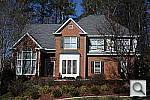
While the House poster in the shot above provides absolute repeatability Things to look for here are how well the camera handles the range of Note though, that because this is shot outdoors, the character of the
|
||||||||||||||||||||||||||||||||||||||||||||||||||||||||||||||||||||||||||||||||||||||||||||||||||||||||||||||||||||||||||||||||||
|
“Davebox” Test Target
Because most of its various elements are now contained or represented in the combination of the Still Life and Multi Target shots, we no longer routinely shoot the Davebox by itself, as would normally appear in this space. (We do however, still use it for our low light test below.) |
||||||||||||||||||||||||||||||||||||||||||||||||||||||||||||||||||||||||||||||||||||||||||||||||||||||||||||||||||||||||||||||||||
|
Low-Light Tests Low light photography is an area where there are really enormous differences
(Note: If you’d like to use a light meter to check light levels
|
||||||||||||||||||||||||||||||||||||||||||||||||||||||||||||||||||||||||||||||||||||||||||||||||||||||||||||||||||||||||||||||||||
|
Viewfinder Accuracy Viewfinder accuracy is an important parameter, especially for shots Unlike the optical viewfinders, the LCD viewfinders on most digital Things to look for on this test chart are:
|
||||||||||||||||||||||||||||||||||||||||||||||||||||||||||||||||||||||||||||||||||||||||||||||||||||||||||||||||||||||||||||||||||








All test shots
Nikon D3S Thumbnails
Not sure which camera to buy? Let your eyes be the ultimate judge!
Visit our Comparometer(tm)
to compare images from the Nikon D3S with those from other
cameras you may be considering. The proof is in the pictures, so let
your own eyes decide which you like best!
This page may take a long time to load, due to the many thumbnails!
All images copyright © 2010 by The Imaging Resource. All rights reserved.
 D3SFAR000100.JPG D3SFAR000100.NEF 6,746,106 bytes 4256×2832 1/500 sec f8.0 0.0 EV 50.0 mm focal length ISO 100 |
 D3SFAR000200.JPG D3SFAR000200.NEF 6,839,612 bytes 4256×2832 1/1000 sec f8.0 0.0 EV 50.0 mm focal length ISO 200 |
 D3SFAR000200_ACRu250r03.JPG 12,335,442 bytes 4256×2832 1/1000 sec f8.0 0.0 EV 50.0 mm focal length ISO 200 |
 D3SFAR000200_VNX.JPG 10,487,445 bytes 4256×2832 1/1000 sec f8.0 0.0 EV 50.0 mm focal length ISO 200 |
 D3SFAR000400.JPG D3SFAR000400.NEF 6,819,122 bytes 4256×2832 1/2000 sec f8.0 0.0 EV 50.0 mm focal length ISO 400 |
 D3SFAR000800.JPG D3SFAR000800.NEF 6,712,769 bytes 4256×2832 1/4000 sec f8.0 0.0 EV 50.0 mm focal length ISO 800 |
 D3SFAR001600.JPG D3SFAR001600.NEF 6,734,912 bytes 4256×2832 1/8000 sec f8.0 0.0 EV 50.0 mm focal length ISO 1600 |
 D3SFAR003200.JPG D3SFAR003200.NEF 6,783,746 bytes 4256×2832 1/8000 sec f11.0 0.0 EV 50.0 mm focal length ISO 3200 |
 D3SFAR006400.JPG D3SFAR006400.NEF 6,708,252 bytes 4256×2832 1/8000 sec f16.0 0.0 EV 50.0 mm focal length ISO 6400 |
 D3SFAR012800.JPG D3SFAR012800.NEF 6,707,740 bytes 4256×2832 1/8000 sec f22.0 0.0 EV 50.0 mm focal length ISO 12800 |
 D3SFARADL0D.JPG 6,877,245 bytes 4256×2832 1/1000 sec f8.0 0.0 EV 50.0 mm focal length ISO 200 |
 D3SFARADL1.JPG 6,685,543 bytes 4256×2832 1/1000 sec f8.0 0.0 EV 50.0 mm focal length ISO 200 |
 D3SFARADL2.JPG 6,664,491 bytes 4256×2832 1/1000 sec f8.0 0.0 EV 50.0 mm focal length ISO 200 |
 D3SFARADL3.JPG 6,754,365 bytes 4256×2832 1/1250 sec f8.0 0.0 EV 50.0 mm focal length ISO 200 |
 D3SFARADL4.JPG 6,569,472 bytes 4256×2832 1/1600 sec f8.0 0.0 EV 50.0 mm focal length ISO 200 |
 D3SFARADLA.JPG 6,763,427 bytes 4256×2832 1/800 sec f8.0 0.0 EV 50.0 mm focal length ISO 200 |
 D3SFARCON1.JPG 6,837,406 bytes 4256×2832 1/1000 sec f8.0 0.0 EV 50.0 mm focal length ISO 200 |
 D3SFARCON2.JPG 6,833,143 bytes 4256×2832 1/1000 sec f8.0 0.0 EV 50.0 mm focal length ISO 200 |
 D3SFARCON3.JPG 6,813,914 bytes 4256×2832 1/1000 sec f8.0 0.0 EV 50.0 mm focal length ISO 200 |
 D3SFARCON4D.JPG 6,776,005 bytes 4256×2832 1/1000 sec f8.0 0.0 EV 50.0 mm focal length ISO 200 |
 D3SFARCON5.JPG 6,828,672 bytes 4256×2832 1/1000 sec f8.0 0.0 EV 50.0 mm focal length ISO 200 |
 D3SFARCON6.JPG 6,792,741 bytes 4256×2832 1/1000 sec f8.0 0.0 EV 50.0 mm focal length ISO 200 |
 D3SFARCON7.JPG 6,857,629 bytes 4256×2832 1/1000 sec f8.0 0.0 EV 50.0 mm focal length ISO 200 |
 D3SINBAP0.JPG 4,023,924 bytes 4256×2832 1/8 sec f4.0 -1.3 EV 70.0 mm focal length ISO 200 |
 D3SINBAP1.JPG 4,049,823 bytes 4256×2832 1/6 sec f4.0 -1.0 EV 70.0 mm focal length ISO 200 |
 D3SINBAP2.JPG 4,069,991 bytes 4256×2832 1/5 sec f4.0 -0.7 EV 70.0 mm focal length ISO 200 |
 D3SINBAP3.JPG 4,019,821 bytes 4256×2832 1/4 sec f4.0 -0.3 EV 70.0 mm focal length ISO 200 |
 D3SINBAP4.JPG 4,044,827 bytes 4256×2832 0.3 sec f4.0 0.0 EV 70.0 mm focal length ISO 200 |
 D3SINBI000100.JPG 3,763,415 bytes 4256×2832 0.3 sec f4.0 -1.0 EV 70.0 mm focal length ISO 100 |
 D3SINBI000200.JPG 3,950,807 bytes 4256×2832 1/6 sec f4.0 -1.0 EV 70.0 mm focal length ISO 200 |
 D3SINBI000400.JPG 4,202,889 bytes 4256×2832 1/13 sec f4.0 -1.0 EV 70.0 mm focal length ISO 400 |
 D3SINBI000800.JPG 4,559,823 bytes 4256×2832 1/25 sec f4.0 -1.0 EV 70.0 mm focal length ISO 800 |
 D3SINBI001600.JPG 5,019,813 bytes 4256×2832 1/50 sec f4.0 -1.0 EV 70.0 mm focal length ISO 1600 |
 D3SINBI003200.JPG 5,596,876 bytes 4256×2832 1/100 sec f4.0 -1.0 EV 70.0 mm focal length ISO 3200 |
 D3SINBI006400.JPG 5,721,549 bytes 4256×2832 1/200 sec f4.0 -1.0 EV 70.0 mm focal length ISO 6400 |
 D3SINBI012800.JPG 5,872,511 bytes 4256×2832 1/400 sec f4.0 -1.0 EV 70.0 mm focal length ISO 12800 |
 D3SINBI025600.JPG 6,479,653 bytes 4256×2832 1/800 sec f4.0 -1.0 EV 70.0 mm focal length ISO 25600 |
 D3SINBI051200.JPG 6,637,039 bytes 4256×2832 1/1600 sec f4.0 -1.0 EV 70.0 mm focal length ISO 51200 |
 D3SINBI102400.JPG 6,658,761 bytes 4256×2832 1/3200 sec f4.0 -1.0 EV 70.0 mm focal length ISO 102400 |
 D3SINBK26P0.JPG 3,923,018 bytes 4256×2832 1/8 sec f4.0 -1.3 EV 70.0 mm focal length ISO 200 |
 D3SINBK26P1.JPG 3,952,307 bytes 4256×2832 1/6 sec f4.0 -1.0 EV 70.0 mm focal length ISO 200 |
 D3SINBK26P2.JPG 3,969,038 bytes 4256×2832 1/5 sec f4.0 -0.7 EV 70.0 mm focal length ISO 200 |
 D3SINBK26P3.JPG 3,911,696 bytes 4256×2832 1/4 sec f4.0 -0.3 EV 70.0 mm focal length ISO 200 |
 D3SINBK26P4.JPG 3,919,411 bytes 4256×2832 0.3 sec f4.0 0.0 EV 70.0 mm focal length ISO 200 |
 D3SINBMP0.JPG 3,924,406 bytes 4256×2832 1/8 sec f4.0 -1.3 EV 70.0 mm focal length ISO 200 |
 D3SINBMP1.JPG 3,949,075 bytes 4256×2832 1/6 sec f4.0 -1.0 EV 70.0 mm focal length ISO 200 |
 D3SINBMP2.JPG 3,960,691 bytes 4256×2832 1/5 sec f4.0 -0.7 EV 70.0 mm focal length ISO 200 |
 D3SINBMP3.JPG 3,904,292 bytes 4256×2832 1/4 sec f4.0 -0.3 EV 70.0 mm focal length ISO 200 |
 D3SINBMP4.JPG 3,914,633 bytes 4256×2832 0.3 sec f4.0 0.0 EV 70.0 mm focal length ISO 200 |
 D3SINBTP0.JPG 3,996,753 bytes 4256×2832 1/8 sec f4.0 -1.3 EV 70.0 mm focal length ISO 200 |
 D3SINBTP1.JPG 4,020,169 bytes 4256×2832 1/6 sec f4.0 -1.0 EV 70.0 mm focal length ISO 200 |
 D3SINBTP2.JPG 4,035,306 bytes 4256×2832 1/5 sec f4.0 -0.7 EV 70.0 mm focal length ISO 200 |
 D3SINBTP3.JPG 3,982,125 bytes 4256×2832 1/4 sec f4.0 -0.3 EV 70.0 mm focal length ISO 200 |
 D3SINBTP4.JPG 4,002,644 bytes 4256×2832 0.3 sec f4.0 0.0 EV 70.0 mm focal length ISO 200 |
 D3SLL0001003.JPG 3,092,553 bytes 4256×2832 1.3 sec f2.8 -1.7 EV 70.0 mm focal length ISO 100 |
 D3SLL0001004.JPG 3,057,984 bytes 4256×2832 2.5 sec f2.8 -1.7 EV 70.0 mm focal length ISO 100 |
 D3SLL0001005.JPG 3,049,097 bytes 4256×2832 5 sec f2.8 -1.7 EV 70.0 mm focal length ISO 100 |
 D3SLL0001006.JPG 3,099,055 bytes 4256×2832 10 sec f2.8 -1.0 EV 70.0 mm focal length ISO 100 |
 D3SLL0001007.JPG 3,208,833 bytes 4256×2832 20 sec f2.8 -1.0 EV 70.0 mm focal length ISO 100 |
 D3SLL0001007XNR.JPG 3,248,409 bytes 4256×2832 20 sec f2.8 -1.0 EV 70.0 mm focal length ISO 100 |
 D3SLL0002003.JPG 3,324,183 bytes 4256×2832 0.6 sec f2.8 -1.0 EV 70.0 mm focal length ISO 200 |
 D3SLL0002004.JPG 3,288,469 bytes 4256×2832 1.3 sec f2.8 -1.7 EV 70.0 mm focal length ISO 200 |
 D3SLL0002005.JPG 3,247,023 bytes 4256×2832 2.5 sec f2.8 -1.7 EV 70.0 mm focal length ISO 200 |
 D3SLL0002006.JPG 3,297,058 bytes 4256×2832 5 sec f2.8 -1.7 EV 70.0 mm focal length ISO 200 |
 D3SLL0002007.JPG 3,383,678 bytes 4256×2832 10 sec f2.8 -1.0 EV 70.0 mm focal length ISO 200 |
 D3SLL0002007XNR.JPG 3,435,768 bytes 4256×2832 10 sec f2.8 -1.0 EV 70.0 mm focal length ISO 200 |
 D3SLL0004003.JPG 3,560,564 bytes 4256×2832 0.3 sec f2.8 -1.0 EV 70.0 mm focal length ISO 400 |
 D3SLL0004004.JPG 3,548,584 bytes 4256×2832 0.6 sec f2.8 -1.7 EV 70.0 mm focal length ISO 400 |
 D3SLL0004005.JPG 3,461,266 bytes 4256×2832 1.3 sec f2.8 -1.7 EV 70.0 mm focal length ISO 400 |
 D3SLL0004006.JPG 3,501,029 bytes 4256×2832 2.5 sec f2.8 -1.7 EV 70.0 mm focal length ISO 400 |
 D3SLL0004007.JPG 3,601,848 bytes 4256×2832 5 sec f2.8 -1.0 EV 70.0 mm focal length ISO 400 |
 D3SLL0004007XNR.JPG 3,672,038 bytes 4256×2832 5 sec f2.8 -1.0 EV 70.0 mm focal length ISO 400 |
 D3SLL0008003.JPG 4,109,666 bytes 4256×2832 1/6 sec f2.8 -1.0 EV 70.0 mm focal length ISO 800 |
 D3SLL0008004.JPG 3,867,705 bytes 4256×2832 0.3 sec f2.8 -1.7 EV 70.0 mm focal length ISO 800 |
 D3SLL0008005.JPG 3,848,518 bytes 4256×2832 0.6 sec f2.8 -1.7 EV 70.0 mm focal length ISO 800 |
 D3SLL0008006.JPG 3,800,863 bytes 4256×2832 1.3 sec f2.8 -1.7 EV 70.0 mm focal length ISO 800 |
 D3SLL0008007.JPG 3,913,774 bytes 4256×2832 2.5 sec f2.8 -1.0 EV 70.0 mm focal length ISO 800 |
 D3SLL0008007XNR.JPG 4,000,043 bytes 4256×2832 2.5 sec f2.8 -1.0 EV 70.0 mm focal length ISO 800 |
 D3SLL0016003.JPG 4,582,103 bytes 4256×2832 1/13 sec f2.8 -1.0 EV 70.0 mm focal length ISO 1600 |
 D3SLL0016004.JPG 4,556,155 bytes 4256×2832 1/6 sec f2.8 -1.7 EV 70.0 mm focal length ISO 1600 |
 D3SLL0016005.JPG 4,265,826 bytes 4256×2832 0.3 sec f2.8 -1.7 EV 70.0 mm focal length ISO 1600 |
 D3SLL0016006.JPG 4,302,011 bytes 4256×2832 0.6 sec f2.8 -1.7 EV 70.0 mm focal length ISO 1600 |
 D3SLL0016007.JPG 4,296,800 bytes 4256×2832 1.3 sec f2.8 -1.0 EV 70.0 mm focal length ISO 1600 |
 D3SLL0016007XNR.JPG 4,396,105 bytes 4256×2832 1.3 sec f2.8 -1.0 EV 70.0 mm focal length ISO 1600 |
 D3SLL0032003.JPG 5,147,486 bytes 4256×2832 1/25 sec f2.8 -1.0 EV 70.0 mm focal length ISO 3200 |
 D3SLL0032004.JPG 5,129,565 bytes 4256×2832 1/13 sec f2.8 -1.7 EV 70.0 mm focal length ISO 3200 |
 D3SLL0032005.JPG 5,135,940 bytes 4256×2832 1/6 sec f2.8 -1.7 EV 70.0 mm focal length ISO 3200 |
 D3SLL0032006.JPG 4,961,766 bytes 4256×2832 0.3 sec f2.8 -1.7 EV 70.0 mm focal length ISO 3200 |
 D3SLL0032007.JPG 5,040,034 bytes 4256×2832 0.6 sec f2.8 -1.0 EV 70.0 mm focal length ISO 3200 |
 D3SLL0032007XNR.JPG 5,036,232 bytes 4256×2832 0.6 sec f2.8 -1.0 EV 70.0 mm focal length ISO 3200 |
 D3SLL0064003.JPG 5,274,443 bytes 4256×2832 1/50 sec f2.8 -1.0 EV 70.0 mm focal length ISO 6400 |
 D3SLL0064004.JPG 5,259,104 bytes 4256×2832 1/25 sec f2.8 -1.7 EV 70.0 mm focal length ISO 6400 |
 D3SLL0064005.JPG 5,249,644 bytes 4256×2832 1/13 sec f2.8 -1.7 EV 70.0 mm focal length ISO 6400 |
 D3SLL0064006.JPG 5,288,230 bytes 4256×2832 1/6 sec f2.8 -1.7 EV 70.0 mm focal length ISO 6400 |
 D3SLL0064007.JPG 5,078,089 bytes 4256×2832 0.3 sec f2.8 -1.0 EV 70.0 mm focal length ISO 6400 |
 D3SLL0064007XNR.JPG 5,430,986 bytes 4256×2832 0.3 sec f2.8 -1.0 EV 70.0 mm focal length ISO 6400 |
 D3SLL0128003.JPG 5,477,973 bytes 4256×2832 1/100 sec f2.8 -1.0 EV 70.0 mm focal length ISO 12800 |
 D3SLL0128004.JPG 5,453,282 bytes 4256×2832 1/50 sec f2.8 -1.7 EV 70.0 mm focal length ISO 12800 |
 D3SLL0128005.JPG 5,452,219 bytes 4256×2832 1/25 sec f2.8 -1.7 EV 70.0 mm focal length ISO 12800 |
 D3SLL0128006.JPG 5,486,310 bytes 4256×2832 1/13 sec f2.8 -1.7 EV 70.0 mm focal length ISO 12800 |
 D3SLL0128007.JPG 5,546,297 bytes 4256×2832 1/6 sec f2.8 -1.0 EV 70.0 mm focal length ISO 12800 |
 D3SLL0128007XNR.JPG 6,650,311 bytes 4256×2832 1/6 sec f2.8 -1.0 EV 70.0 mm focal length ISO 12800 |
 D3SLL0256003.JPG 5,835,106 bytes 4256×2832 1/200 sec f2.8 -1.0 EV 70.0 mm focal length ISO 25600 |
 D3SLL0256004.JPG 5,813,567 bytes 4256×2832 1/100 sec f2.8 -1.7 EV 70.0 mm focal length ISO 25600 |
 D3SLL0256005.JPG 5,816,282 bytes 4256×2832 1/50 sec f2.8 -1.7 EV 70.0 mm focal length ISO 25600 |
 D3SLL0256006.JPG 5,860,620 bytes 4256×2832 1/25 sec f2.8 -1.7 EV 70.0 mm focal length ISO 25600 |
 D3SLL0256007.JPG 5,931,700 bytes 4256×2832 1/13 sec f2.8 -1.0 EV 70.0 mm focal length ISO 25600 |
 D3SLL0256007XNR.JPG 6,408,799 bytes 4256×2832 1/13 sec f2.8 -1.0 EV 70.0 mm focal length ISO 25600 |
 D3SLL0512003.JPG 6,783,252 bytes 4256×2832 1/400 sec f2.8 -1.0 EV 70.0 mm focal length ISO 51200 |
 D3SLL0512004.JPG 6,755,159 bytes 4256×2832 1/200 sec f2.8 -1.7 EV 70.0 mm focal length ISO 51200 |
 D3SLL0512005.JPG 6,742,657 bytes 4256×2832 1/100 sec f2.8 -1.7 EV 70.0 mm focal length ISO 51200 |
 D3SLL0512007.JPG 6,834,822 bytes 4256×2832 1/25 sec f2.8 -1.0 EV 70.0 mm focal length ISO 51200 |
 D3SLL0512007XNR.JPG 6,666,359 bytes 4256×2832 1/25 sec f2.8 -1.0 EV 70.0 mm focal length ISO 51200 |
 D3SLL0521006.JPG 6,771,177 bytes 4256×2832 1/50 sec f2.8 -1.7 EV 70.0 mm focal length ISO 51200 |
 D3SLL1024003.JPG 6,779,592 bytes 4256×2832 1/800 sec f2.8 -1.0 EV 70.0 mm focal length ISO 102400 |
 D3SLL1024004.JPG 6,748,344 bytes 4256×2832 1/400 sec f2.8 -1.7 EV 70.0 mm focal length ISO 102400 |
 D3SLL1024005.JPG 6,745,692 bytes 4256×2832 1/200 sec f2.8 -1.7 EV 70.0 mm focal length ISO 102400 |
 D3SLL1024006.JPG 6,759,195 bytes 4256×2832 1/100 sec f2.8 -1.7 EV 70.0 mm focal length ISO 102400 |
 D3SLL1024007.JPG 6,827,527 bytes 4256×2832 1/50 sec f2.8 -1.0 EV 70.0 mm focal length ISO 102400 |
 D3SLL1024007XNR.JPG 6,854,291 bytes 4256×2832 1/50 sec f2.8 -1.0 EV 70.0 mm focal length ISO 102400 |
 D3SOUTBADL0D.JPG 4,126,577 bytes 2832×4256 1/80 sec f8.0 0.0 EV 70.0 mm focal length ISO 200 |
 D3SOUTBADL1.JPG 4,439,131 bytes 2832×4256 1/80 sec f8.0 0.0 EV 70.0 mm focal length ISO 200 |
 D3SOUTBADL2.JPG 4,744,070 bytes 2832×4256 1/80 sec f8.0 0.0 EV 70.0 mm focal length ISO 200 |
 D3SOUTBADL3.JPG 5,064,965 bytes 2832×4256 1/100 sec f8.0 0.0 EV 70.0 mm focal length ISO 200 |
 D3SOUTBADL4.JPG 5,254,933 bytes 2832×4256 1/125 sec f8.0 0.0 EV 70.0 mm focal length ISO 200 |
 D3SOUTBADLA.JPG 5,082,907 bytes 2832×4256 1/100 sec f8.0 0.0 EV 70.0 mm focal length ISO 200 |
 D3SOUTBAP0.JPG 3,820,397 bytes 2832×4256 1/125 sec f8.0 -0.7 EV 70.0 mm focal length ISO 200 |
 D3SOUTBAP1.JPG 3,950,902 bytes 2832×4256 1/100 sec f8.0 -0.3 EV 70.0 mm focal length ISO 200 |
 D3SOUTBAP2.JPG 4,096,076 bytes 2832×4256 1/80 sec f8.0 0.0 EV 70.0 mm focal length ISO 200 |
 D3SOUTBAP3.JPG 4,222,034 bytes 2832×4256 1/60 sec f8.0 +0.3 EV 70.0 mm focal length ISO 200 |
 D3SOUTBAP4.JPG 4,274,900 bytes 2832×4256 1/50 sec f8.0 +0.7 EV 70.0 mm focal length ISO 200 |
 D3SOUTBCON1.JPG 4,275,880 bytes 2832×4256 1/80 sec f8.0 0.0 EV 70.0 mm focal length ISO 200 |
 D3SOUTBCON2.JPG 4,234,518 bytes 2832×4256 1/80 sec f8.0 0.0 EV 70.0 mm focal length ISO 200 |
 D3SOUTBCON3.JPG 4,189,080 bytes 2832×4256 1/80 sec f8.0 0.0 EV 70.0 mm focal length ISO 200 |
 D3SOUTBCON4D.JPG 4,116,367 bytes 2832×4256 1/80 sec f8.0 0.0 EV 70.0 mm focal length ISO 200 |
 D3SOUTBCON5.JPG 4,022,439 bytes 2832×4256 1/80 sec f8.0 0.0 EV 70.0 mm focal length ISO 200 |
 D3SOUTBCON6.JPG 3,933,496 bytes 2832×4256 1/80 sec f8.0 0.0 EV 70.0 mm focal length ISO 200 |
 D3SOUTBCON7.JPG 3,832,897 bytes 2832×4256 1/80 sec f8.0 0.0 EV 70.0 mm focal length ISO 200 |
 D3SOUTBCONA.JPG 4,191,003 bytes 2832×4256 1/80 sec f8.0 0.0 EV 70.0 mm focal length ISO 200 |
 D3SOUTBDP0.JPG 3,871,740 bytes 2832×4256 1/125 sec f8.0 -0.7 EV 70.0 mm focal length ISO 200 |
 D3SOUTBDP1.JPG 4,009,586 bytes 2832×4256 1/100 sec f8.0 -0.3 EV 70.0 mm focal length ISO 200 |
 D3SOUTBDP2.JPG 4,124,264 bytes 2832×4256 1/80 sec f8.0 0.0 EV 70.0 mm focal length ISO 200 |
 D3SOUTBDP3.JPG 4,261,135 bytes 2832×4256 1/60 sec f8.0 +0.3 EV 70.0 mm focal length ISO 200 |
 D3SOUTBDP4.JPG 4,322,508 bytes 2832×4256 1/50 sec f8.0 +0.7 EV 70.0 mm focal length ISO 200 |
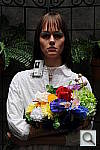 D3SOUTBK50P0.JPG 3,852,008 bytes 2832×4256 1/125 sec f8.0 -0.7 EV 70.0 mm focal length ISO 200 |
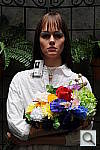 D3SOUTBK50P1.JPG 3,969,500 bytes 2832×4256 1/100 sec f8.0 -0.3 EV 70.0 mm focal length ISO 200 |
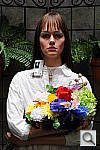 D3SOUTBK50P2.JPG 4,100,769 bytes 2832×4256 1/80 sec f8.0 0.0 EV 70.0 mm focal length ISO 200 |
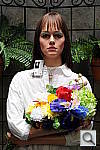 D3SOUTBK50P3.JPG 4,226,174 bytes 2832×4256 1/60 sec f8.0 +0.3 EV 70.0 mm focal length ISO 200 |
 D3SOUTBK50P4.JPG 4,287,672 bytes 2832×4256 1/50 sec f8.0 +0.7 EV 70.0 mm focal length ISO 200 |
 D3SOUTBMP0.JPG 3,855,411 bytes 2832×4256 1/125 sec f8.0 -0.7 EV 70.0 mm focal length ISO 200 |
 D3SOUTBMP1.JPG 3,975,555 bytes 2832×4256 1/100 sec f8.0 -0.3 EV 70.0 mm focal length ISO 200 |
 D3SOUTBMP2.JPG 4,111,312 bytes 2832×4256 1/80 sec f8.0 0.0 EV 70.0 mm focal length ISO 200 |
 D3SOUTBMP3.JPG 4,227,701 bytes 2832×4256 1/60 sec f8.0 +0.3 EV 70.0 mm focal length ISO 200 |
 D3SOUTBMP4.JPG 4,278,577 bytes 2832×4256 1/50 sec f8.0 +0.7 EV 70.0 mm focal length ISO 200 |
 D3SOUTBSAT1.JPG 3,940,730 bytes 2832×4256 1/80 sec f8.0 0.0 EV 70.0 mm focal length ISO 200 |
 D3SOUTBSAT2.JPG 3,992,761 bytes 2832×4256 1/80 sec f8.0 0.0 EV 70.0 mm focal length ISO 200 |
 D3SOUTBSAT3.JPG 4,066,637 bytes 2832×4256 1/80 sec f8.0 0.0 EV 70.0 mm focal length ISO 200 |
 D3SOUTBSAT4D.JPG 4,113,311 bytes 2832×4256 1/80 sec f8.0 0.0 EV 70.0 mm focal length ISO 200 |
 D3SOUTBSAT5.JPG 4,171,023 bytes 2832×4256 1/80 sec f8.0 0.0 EV 70.0 mm focal length ISO 200 |
 D3SOUTBSAT6.JPG 4,223,216 bytes 2832×4256 1/80 sec f8.0 0.0 EV 70.0 mm focal length ISO 200 |
 D3SOUTBSAT7.JPG 4,266,509 bytes 2832×4256 1/80 sec f8.0 0.0 EV 70.0 mm focal length ISO 200 |
 D3SOUTBSATA.JPG 4,118,508 bytes 2832×4256 1/80 sec f8.0 0.0 EV 70.0 mm focal length ISO 200 |
 D3S_VC_HIGH.JPG 2,518,493 bytes 4256×2832 1/60 sec f3.5 0.0 EV 24.0 mm focal length ISO 200 |
 D3S_VC_LOW.JPG 2,404,713 bytes 4256×2832 1/60 sec f3.5 0.0 EV 24.0 mm focal length ISO 200 |
 D3S_VC_MED.JPG 2,458,267 bytes 4256×2832 1/60 sec f3.5 0.0 EV 24.0 mm focal length ISO 200 |
 D3S_VC_OFF.JPG 2,299,614 bytes 4256×2832 1/60 sec f3.5 0.0 EV 24.0 mm focal length ISO 200 |
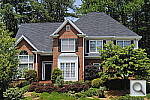 D3ShHOUSE.JPG D3ShHOUSE.NEF 6,786,388 bytes 4256×2832 1/60 sec f5.6 -1.7 EV 70.0 mm focal length ISO 200 |
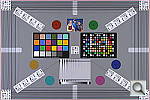 D3ShMULTII000100.JPG D3ShMULTII000100.NEF 4,331,818 bytes 4256×2832 1/40 sec f5.6 -1.7 EV 70.0 mm focal length ISO 100 |
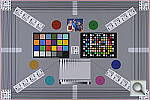 D3ShMULTII000200.JPG D3ShMULTII000200.NEF 4,462,001 bytes 4256×2832 1/80 sec f5.6 -1.7 EV 70.0 mm focal length ISO 200 |
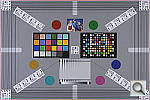 D3ShMULTII000400.JPG D3ShMULTII000400.NEF 4,763,926 bytes 4256×2832 1/160 sec f5.6 -1.7 EV 70.0 mm focal length ISO 400 |
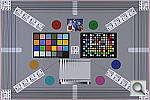 D3ShMULTII000800.JPG D3ShMULTII000800.NEF 5,189,859 bytes 4256×2832 1/320 sec f5.6 -1.7 EV 70.0 mm focal length ISO 800 |
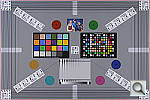 D3ShMULTII001600.JPG D3ShMULTII001600.NEF 5,693,510 bytes 4256×2832 1/640 sec f5.6 -1.7 EV 70.0 mm focal length ISO 1600 |
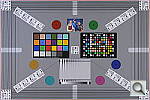 D3ShMULTII003200.JPG D3ShMULTII003200.NEF 6,301,498 bytes 4256×2832 1/1250 sec f5.6 -1.7 EV 70.0 mm focal length ISO 3200 |
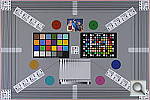 D3ShMULTII006400.JPG D3ShMULTII006400.NEF 6,340,548 bytes 4256×2832 1/2500 sec f5.6 -1.7 EV 70.0 mm focal length ISO 6400 |
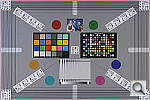 D3ShMULTII012800.JPG D3ShMULTII012800.NEF 6,403,853 bytes 4256×2832 1/5000 sec f5.6 -1.7 EV 70.0 mm focal length ISO 12800 |
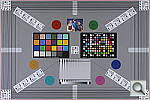 D3ShMULTII025600.JPG D3ShMULTII025600.NEF 7,101,923 bytes 4256×2832 1/5000 sec f8.0 -1.7 EV 70.0 mm focal length ISO 25600 |
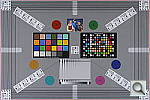 D3ShMULTII051200.JPG D3ShMULTII051200.NEF 6,850,945 bytes 4256×2832 1/5000 sec f11.0 -1.7 EV 70.0 mm focal length ISO 51200 |
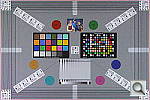 D3ShMULTII102400.JPG D3ShMULTII102400.NEF 6,794,322 bytes 4256×2832 1/8000 sec f13.0 -1.7 EV 70.0 mm focal length ISO 102400 |
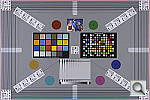 D3ShMULTI_ADOBE.JPG D3ShMULTI_ADOBE.NEF 4,342,624 bytes 4256×2832 1/80 sec f5.6 -1.7 EV 70.0 mm focal length ISO 200 |
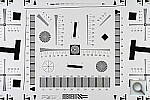 D3ShRES2128.JPG 860,002 bytes 2128×1416 1/80 sec f5.6 -1.7 EV 70.0 mm focal length ISO 200 |
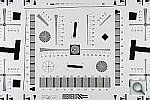 D3ShRES3184.JPG 1,606,910 bytes 3184×2120 1/80 sec f5.6 -1.7 EV 70.0 mm focal length ISO 200 |
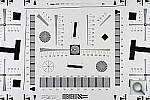 D3ShRES4256E.JPG 840,623 bytes 4256×2832 1/80 sec f5.6 -1.7 EV 70.0 mm focal length ISO 200 |
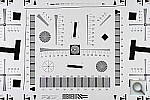 D3ShRES4256F.JPG D3ShRES4256F.NEF 2,704,037 bytes 4256×2832 1/80 sec f5.6 -1.7 EV 70.0 mm focal length ISO 200 |
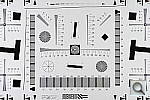 D3ShRES4256N.JPG 2,076,438 bytes 4256×2832 1/80 sec f5.6 -1.7 EV 70.0 mm focal length ISO 200 |
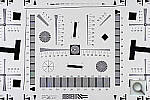 D3ShRES_ACRu250r03.JPG 4,258,462 bytes 4256×2832 1/80 sec f5.6 -1.7 EV 70.0 mm focal length ISO 200 |
 D3ShSLADLITE_0D.JPG 4,857,780 bytes 4256×2832 1/40 sec f8.0 -1.3 EV 70.0 mm focal length ISO 200 |
 D3ShSLADLITE_1.JPG 4,921,850 bytes 4256×2832 1/40 sec f8.0 -1.3 EV 70.0 mm focal length ISO 200 |
 D3ShSLADLITE_2.JPG 5,016,601 bytes 4256×2832 1/40 sec f8.0 -1.3 EV 70.0 mm focal length ISO 200 |
 D3ShSLADLITE_3.JPG 5,137,394 bytes 4256×2832 1/40 sec f8.0 -1.3 EV 70.0 mm focal length ISO 200 |
 D3ShSLADLITE_4.JPG 5,205,198 bytes 4256×2832 1/40 sec f8.0 -1.3 EV 70.0 mm focal length ISO 200 |
 D3ShSLADLITE_A.JPG 5,000,514 bytes 4256×2832 1/40 sec f8.0 -1.3 EV 70.0 mm focal length ISO 200 |
 D3ShSLCON1.JPG 4,708,651 bytes 4256×2832 1/40 sec f8.0 -1.3 EV 70.0 mm focal length ISO 200 |
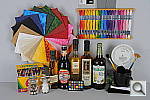 D3ShSLCON2.JPG 4,760,654 bytes 4256×2832 1/40 sec f8.0 -1.3 EV 70.0 mm focal length ISO 200 |
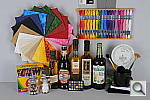 D3ShSLCON3.JPG 4,816,646 bytes 4256×2832 1/40 sec f8.0 -1.3 EV 70.0 mm focal length ISO 200 |
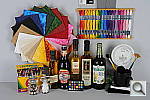 D3ShSLCON4D.JPG 4,882,896 bytes 4256×2832 1/40 sec f8.0 -1.3 EV 70.0 mm focal length ISO 200 |
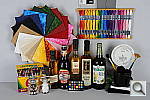 D3ShSLCON5.JPG 4,943,198 bytes 4256×2832 1/40 sec f8.0 -1.3 EV 70.0 mm focal length ISO 200 |
 D3ShSLCON6.JPG 5,006,719 bytes 4256×2832 1/40 sec f8.0 -1.3 EV 70.0 mm focal length ISO 200 |
 D3ShSLCON7.JPG 5,055,757 bytes 4256×2832 1/40 sec f8.0 -1.3 EV 70.0 mm focal length ISO 200 |
 D3ShSLCONA.JPG 4,903,469 bytes 4256×2832 1/40 sec f8.0 -1.3 EV 70.0 mm focal length ISO 200 |
 D3ShSLI000100_NR0.JPG D3ShSLI000100_NR0.NEF 5,000,827 bytes 4256×2832 1/20 sec f8.0 -1.3 EV 70.0 mm focal length ISO 100 |
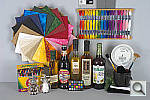 D3ShSLI000100_NR0_DCR.JPG 7,585,604 bytes 4284×2844 1/20 sec f8.0 Unreported EV 70.0 mm focal length |
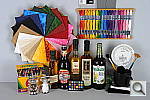 D3ShSLI000100_NR1.JPG D3ShSLI000100_NR1.NEF 5,006,081 bytes 4256×2832 1/20 sec f8.0 -1.3 EV 70.0 mm focal length ISO 100 |
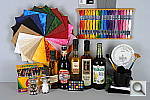 D3ShSLI000100_NR2D.JPG D3ShSLI000100_NR2D.NEF 4,999,936 bytes 4256×2832 1/20 sec f8.0 -1.3 EV 70.0 mm focal length ISO 100 |
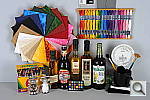 D3ShSLI000100_NR3.JPG D3ShSLI000100_NR3.NEF 5,003,996 bytes 4256×2832 1/20 sec f8.0 -1.3 EV 70.0 mm focal length ISO 100 |
 D3ShSLI000200_NR0.JPG D3ShSLI000200_NR0.NEF 4,911,860 bytes 4256×2832 1/40 sec f8.0 -1.3 EV 70.0 mm focal length ISO 200 |
 D3ShSLI000200_NR0_DCR.JPG 8,172,758 bytes 4284×2844 1/40 sec f8.0 Unreported EV 70.0 mm focal length ISO 200 |
 D3ShSLI000200_NR1.JPG D3ShSLI000200_NR1.NEF 4,914,188 bytes 4256×2832 1/40 sec f8.0 -1.3 EV 70.0 mm focal length ISO 200 |
 D3ShSLI000200_NR2D.JPG D3ShSLI000200_NR2D.NEF 4,909,969 bytes 4256×2832 1/40 sec f8.0 -1.3 EV 70.0 mm focal length ISO 200 |
 D3ShSLI000200_NR3.JPG D3ShSLI000200_NR3.NEF 4,909,741 bytes 4256×2832 1/40 sec f8.0 -1.3 EV 70.0 mm focal length ISO 200 |
 D3ShSLI000400_NR0.JPG D3ShSLI000400_NR0.NEF 5,109,515 bytes 4256×2832 1/80 sec f8.0 -1.3 EV 70.0 mm focal length ISO 400 |
 D3ShSLI000400_NR0_DCR.JPG 8,836,105 bytes 4284×2844 1/80 sec f8.0 Unreported EV 70.0 mm focal length ISO 400 |
 D3ShSLI000400_NR1.JPG D3ShSLI000400_NR1.NEF 5,102,426 bytes 4256×2832 1/80 sec f8.0 -1.3 EV 70.0 mm focal length ISO 400 |
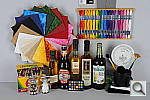 D3ShSLI000400_NR2D.JPG D3ShSLI000400_NR2D.NEF 5,097,970 bytes 4256×2832 1/80 sec f8.0 -1.3 EV 70.0 mm focal length ISO 400 |
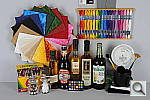 D3ShSLI000400_NR3.JPG D3ShSLI000400_NR3.NEF 5,090,555 bytes 4256×2832 1/80 sec f8.0 -1.3 EV 70.0 mm focal length ISO 400 |
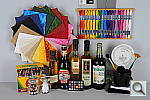 D3ShSLI000800_NR0.JPG D3ShSLI000800_NR0.NEF 5,369,582 bytes 4256×2832 1/160 sec f8.0 -1.3 EV 70.0 mm focal length ISO 800 |
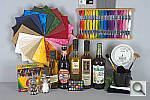 D3ShSLI000800_NR0_DCR.JPG 9,730,011 bytes 4284×2844 1/160 sec f8.0 Unreported EV 70.0 mm focal length ISO 800 |
 D3ShSLI000800_NR1.JPG D3ShSLI000800_NR1.NEF 5,355,679 bytes 4256×2832 1/160 sec f8.0 -1.3 EV 70.0 mm focal length ISO 800 |
 D3ShSLI000800_NR2D.JPG D3ShSLI000800_NR2D.NEF 5,355,559 bytes 4256×2832 1/160 sec f8.0 -1.3 EV 70.0 mm focal length ISO 800 |
 D3ShSLI000800_NR3.JPG D3ShSLI000800_NR3.NEF 5,351,712 bytes 4256×2832 1/160 sec f8.0 -1.3 EV 70.0 mm focal length ISO 800 |
 D3ShSLI001600_NR0.JPG D3ShSLI001600_NR0.NEF 5,692,855 bytes 4256×2832 1/320 sec f8.0 -1.3 EV 70.0 mm focal length ISO 1600 |
 D3ShSLI001600_NR0_DCR.JPG 11,083,365 bytes 4284×2844 1/320 sec f8.0 Unreported EV 70.0 mm focal length ISO 1600 |
 D3ShSLI001600_NR1.JPG D3ShSLI001600_NR1.NEF 5,691,238 bytes 4256×2832 1/320 sec f8.0 -1.3 EV 70.0 mm focal length ISO 1600 |
 D3ShSLI001600_NR2D.JPG D3ShSLI001600_NR2D.NEF 5,686,847 bytes 4256×2832 1/320 sec f8.0 -1.3 EV 70.0 mm focal length ISO 1600 |
 D3ShSLI001600_NR3.JPG D3ShSLI001600_NR3.NEF 5,689,247 bytes 4256×2832 1/320 sec f8.0 -1.3 EV 70.0 mm focal length ISO 1600 |
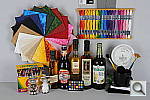 D3ShSLI003200_NR0.JPG D3ShSLI003200_NR0.NEF 6,117,955 bytes 4256×2832 1/640 sec f8.0 -1.3 EV 70.0 mm focal length ISO 3200 |
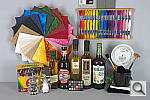 D3ShSLI003200_NR0_DCR.JPG 12,807,559 bytes 4284×2844 1/640 sec f8.0 Unreported EV 70.0 mm focal length ISO 3200 |
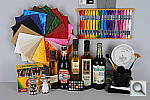 D3ShSLI003200_NR1.JPG D3ShSLI003200_NR1.NEF 6,133,005 bytes 4256×2832 1/640 sec f8.0 -1.3 EV 70.0 mm focal length ISO 3200 |
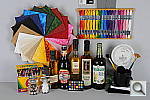 D3ShSLI003200_NR2D.JPG D3ShSLI003200_NR2D.NEF 6,108,990 bytes 4256×2832 1/640 sec f8.0 -1.3 EV 70.0 mm focal length ISO 3200 |
 D3ShSLI003200_NR3.JPG D3ShSLI003200_NR3.NEF 6,123,566 bytes 4256×2832 1/640 sec f8.0 -1.3 EV 70.0 mm focal length ISO 3200 |
 D3ShSLI006400_NR0.JPG D3ShSLI006400_NR0.NEF 6,517,299 bytes 4256×2832 1/1250 sec f8.0 -1.3 EV 70.0 mm focal length ISO 6400 |
 D3ShSLI006400_NR0_DCR.JPG 14,853,946 bytes 4284×2844 1/1252 sec f8.0 Unreported EV 70.0 mm focal length ISO 6400 |
 D3ShSLI006400_NR1.JPG D3ShSLI006400_NR1.NEF 6,011,226 bytes 4256×2832 1/1250 sec f8.0 -1.3 EV 70.0 mm focal length ISO 6400 |
 D3ShSLI006400_NR2D.JPG D3ShSLI006400_NR2D.NEF 5,993,558 bytes 4256×2832 1/1250 sec f8.0 -1.3 EV 70.0 mm focal length ISO 6400 |
 D3ShSLI006400_NR3.JPG D3ShSLI006400_NR3.NEF 5,399,998 bytes 4256×2832 1/1250 sec f8.0 -1.3 EV 70.0 mm focal length ISO 6400 |
 D3ShSLI012800_NR0.JPG D3ShSLI012800_NR0.NEF 6,904,744 bytes 4256×2832 1/2500 sec f8.0 -1.3 EV 70.0 mm focal length ISO 12800 |
 D3ShSLI012800_NR0_DCR.JPG 17,133,013 bytes 4284×2844 1/2506 sec f8.0 Unreported EV 70.0 mm focal length ISO 12800 |
 D3ShSLI012800_NR1.JPG D3ShSLI012800_NR1.NEF 6,614,292 bytes 4256×2832 1/2500 sec f8.0 -1.3 EV 70.0 mm focal length ISO 12800 |
 D3ShSLI012800_NR2D.JPG D3ShSLI012800_NR2D.NEF 5,947,457 bytes 4256×2832 1/2500 sec f8.0 -1.3 EV 70.0 mm focal length ISO 12800 |
 D3ShSLI012800_NR3.JPG D3ShSLI012800_NR3.NEF 5,777,283 bytes 4256×2832 1/2500 sec f8.0 -1.3 EV 70.0 mm focal length ISO 12800 |
 D3ShSLI025600_NR0.JPG D3ShSLI025600_NR0.NEF 6,776,415 bytes 4256×2832 1/5000 sec f8.0 -1.3 EV 70.0 mm focal length ISO 25600 |
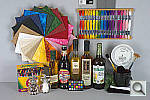 D3ShSLI025600_NR0_DCR.JPG 18,844,514 bytes 4284×2844 1/5025 sec f8.0 Unreported EV 70.0 mm focal length |
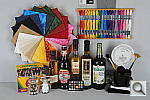 D3ShSLI025600_NR1.JPG D3ShSLI025600_NR1.NEF 6,738,703 bytes 4256×2832 1/5000 sec f8.0 -1.3 EV 70.0 mm focal length ISO 25600 |
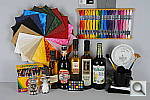 D3ShSLI025600_NR2D.JPG D3ShSLI025600_NR2D.NEF 6,561,266 bytes 4256×2832 1/5000 sec f8.0 -1.3 EV 70.0 mm focal length ISO 25600 |
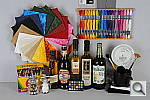 D3ShSLI025600_NR3.JPG D3ShSLI025600_NR3.NEF 6,307,226 bytes 4256×2832 1/5000 sec f8.0 -1.3 EV 70.0 mm focal length ISO 25600 |
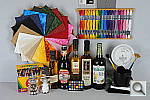 D3ShSLI051200_NR0.JPG D3ShSLI051200_NR0.NEF 6,630,208 bytes 4256×2832 1/8000 sec f9.0 -1.3 EV 70.0 mm focal length ISO 51200 |
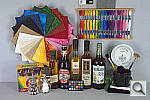 D3ShSLI051200_NR0_DCR.JPG 21,171,774 bytes 4284×2844 1/8000 sec f9.0 Unreported EV 70.0 mm focal length |
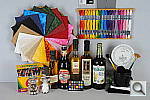 D3ShSLI051200_NR1.JPG D3ShSLI051200_NR1.NEF 6,620,153 bytes 4256×2832 1/8000 sec f9.0 -1.3 EV 70.0 mm focal length ISO 51200 |
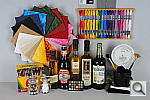 D3ShSLI051200_NR2D.JPG D3ShSLI051200_NR2D.NEF 6,431,054 bytes 4256×2832 1/8000 sec f9.0 -1.3 EV 70.0 mm focal length ISO 51200 |
 D3ShSLI051200_NR3.JPG D3ShSLI051200_NR3.NEF 6,953,672 bytes 4256×2832 1/8000 sec f9.0 -1.3 EV 70.0 mm focal length ISO 51200 |
 D3ShSLI102400_NR0.JPG D3ShSLI102400_NR0.NEF 6,787,961 bytes 4256×2832 1/8000 sec f13.0 -1.3 EV 70.0 mm focal length ISO 102400 |
 D3ShSLI102400_NR0_DCR.JPG 23,904,481 bytes 4284×2844 1/8000 sec f13.0 Unreported EV 70.0 mm focal length |
 D3ShSLI102400_NR1.JPG D3ShSLI102400_NR1.NEF 6,748,154 bytes 4256×2832 1/8000 sec f13.0 -1.3 EV 70.0 mm focal length ISO 102400 |
 D3ShSLI102400_NR2D.JPG D3ShSLI102400_NR2D.NEF 6,600,745 bytes 4256×2832 1/8000 sec f13.0 -1.3 EV 70.0 mm focal length ISO 102400 |
 D3ShSLI102400_NR3.JPG D3ShSLI102400_NR3.NEF 6,690,303 bytes 4256×2832 1/8000 sec f13.0 -1.3 EV 70.0 mm focal length ISO 102400 |
 D3ShSLSAT1.JPG 4,656,624 bytes 4256×2832 1/40 sec f8.0 -1.3 EV 70.0 mm focal length ISO 200 |
 D3ShSLSAT2.JPG 4,752,063 bytes 4256×2832 1/40 sec f8.0 -1.3 EV 70.0 mm focal length ISO 200 |
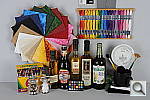 D3ShSLSAT3.JPG 4,816,051 bytes 4256×2832 1/40 sec f8.0 -1.3 EV 70.0 mm focal length ISO 200 |
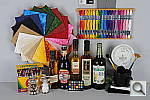 D3ShSLSAT4D.JPG 4,862,618 bytes 4256×2832 1/40 sec f8.0 -1.3 EV 70.0 mm focal length ISO 200 |
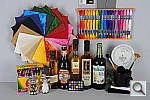 D3ShSLSAT5.JPG 4,922,634 bytes 4256×2832 1/40 sec f8.0 -1.3 EV 70.0 mm focal length ISO 200 |
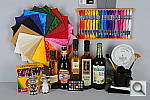 D3ShSLSAT6.JPG 4,958,140 bytes 4256×2832 1/40 sec f8.0 -1.3 EV 70.0 mm focal length ISO 200 |
 D3ShSLSAT7.JPG 5,015,461 bytes 4256×2832 1/40 sec f8.0 -1.3 EV 70.0 mm focal length ISO 200 |
 D3ShSLSATA.JPG 4,866,564 bytes 4256×2832 1/40 sec f8.0 -1.3 EV 70.0 mm focal length ISO 200 |
 D3ShSLSTA7.JPG 4,973,902 bytes 4256×2832 1/60 sec f5.6 -1.3 EV 70.0 mm focal length ISO 200 |
 D3ShSLTAWB.JPG 4,801,754 bytes 4256×2832 1/15 sec f5.6 -1.3 EV 70.0 mm focal length ISO 200 |
 D3ShSLTMWB.JPG 4,718,774 bytes 4256×2832 1/15 sec f5.6 -1.3 EV 70.0 mm focal length ISO 200 |
 D3ShSLTTWB.JPG 4,692,326 bytes 4256×2832 1/15 sec f5.6 -1.3 EV 70.0 mm focal length ISO 200 |
 D3ShVFAL.JPG D3ShVFAL.NEF 4,453,790 bytes 4256×2832 1/80 sec f5.6 -1.7 EV 70.0 mm focal length ISO 200 |
 D3ShVFAO.JPG D3ShVFAO.NEF 4,506,256 bytes 4256×2832 1/80 sec f5.6 -1.7 EV 70.0 mm focal length ISO 200 |
 DSC_1567.JPG 6,796,384 bytes 4256×2832 1/1000 sec f8.0 0.0 EV 50.0 mm focal length ISO 200 |
 DSC_1569.JPG 6,833,154 bytes 4256×2832 1/1000 sec f8.0 0.0 EV 50.0 mm focal length ISO 200 |
All images copyright © 2010 by The Imaging Resource. All rights reserved.