
Hasselblad X2D II 100C Price, Preorder Details, and New 35-100mm Zoom Lens


Imaging Resource is reader-supported. When you buy through links on our site, we may earn an affiliate commission. How this works.
Hasselblad has officially unveiled the X2D II 100C, its latest flagship medium format camera, along with the brand-new XCD 35-100mm f/2.8-4E zoom lens. Both the camera and lens are now available for preorder, with shipping expected in mid-September 2025.
Pricing and Availability
The Hasselblad X2D II 100C is priced at $7,399, coming in $800 less than the original X2D and $100 cheaper than the Fujifilm GFX 100 II. The XCD 35-100mm f/2.8-4E zoom lens retails for $4,599. Both products are now available for pre-order through authorized retailers like B&H Photo.
Key Features of the Hasselblad X2D II 100C
Major Upgrades Include:
- Hybrid Autofocus System – Combines AF-C phase detection, LiDAR assistance, and AI-driven algorithms for faster, more accurate subject tracking.
- Improved Image Stabilization – A redesigned 5-axis IBIS system rated for up to 10 stops of shake reduction, surpassing many Fujifilm and Canon rivals.
- 100MP BSI Sensor – Captures 16-bit RAW files with 15.3 stops of dynamic range and full HDR pipeline support.
- Enhanced Workflow – Comes with 1TB of built-in storage, a CFexpress Type B slot, and wireless file transfers via the Phocus Mobile 2 app.
- Notably, the X2D II remains focused on still photography — video capture is not supported.
Updated Design and Usability
Weighing 730g (1.6 lbs), the X2D II is about 7.5% lighter than the original model and now features a redesigned, textured grip for improved handling. The 3.6-inch tilting touchscreen reaches 1,400 nits peak brightness, making it easier to compose shots under harsh sunlight. Additionally, a new 5D joystick has been added for faster and more precise focus point control and menu navigation.
Hasselblad XCD 35-100mm f/2.8-4E Zoom Lens
Launched alongside the X2D II, the new 35-100mm f/2.8-4E zoom lens offers a 26-76mm full-frame equivalent range, making it an excellent all-rounder for travel, portraits, and landscapes. Key highlights include:
- Optical Design: Features 16 elements in 13 groups, including multiple aspherical and low-dispersion elements to minimize distortion and chromatic aberrations.
- Faster Autofocus: Powered by a stepping motor optimized for the X2D II’s upgraded AF-C tracking system.
- Leaf Shutter Performance: Supports shutter speeds from 1/4000 sec up to 68 minutes, with full flash sync at all speeds.
- Compact and Lightweight: Despite its broader zoom range, the lens is lighter and shorter than the previous 35-75mm model.
Price and Availability of the Hasselblad X2D II 100C
The Hasselblad X2D II 100C and XCD 35-100mm f/2.8-4E lens are both available for preorder now, with shipping expected in mid-September 2025.
Everything We Know About the Hasselblad X2D II So Far
After months of speculation and leaks, Hasselblad has officially unveiled the X2D II 100C, its latest flagship medium format camera. The company also introduced the XCD 35-100mm f/2.8-4E zoom lens alongside the new body. Both the camera and lens are now available for pre-order and expected to ship in mid-September 2025.
At first glance, the X2D II 100C closely resembles its predecessor, but Hasselblad has made significant upgrades under the hood. Among the most notable improvements are its new hybrid autofocus system and a redesigned 5-axis image stabilization system, making this release one of the company’s most advanced medium format offerings to date.
Enhanced Autofocus and Image Stabilization
Autofocus has long been a weakness of Hasselblad cameras, but the X2D II 100C introduces a major upgrade. The camera features AF-C phase-detect focusing powered by LiDAR assistance and AI-driven algorithms, making it the first Hasselblad model with a hybrid AF system. According to Hasselblad, this setup delivers faster, more accurate subject tracking and supports up to 3 frames per second burst shooting.
Another key highlight is the 5-axis in-body image stabilization system, which offers up to 10 stops of shake compensation. Hasselblad claims this allows for handheld long-exposure shooting without a tripod, surpassing stabilization performance on the Fujifilm GFX 100 II (8 stops) and even Canon’s high-end mirrorless cameras (8.5 stops).
Imaging Capabilities and Workflow Upgrades
The X2D II is equipped with a 100-megapixel backside-illuminated sensor that captures 16-bit RAW files with 15.3 stops of dynamic range. The camera also introduces end-to-end HDR support, offering better highlight retention and more natural-looking results. With HDR HEIF and Ultra HDR JPEG output, photographers can view lifelike images directly on the rear display.
The camera retains 1TB of internal storage alongside a CFexpress Type B card slot, ensuring fast data handling for the massive file sizes. Additionally, the Phocus Mobile 2 app allows wireless image transfer, remote shooting, and basic editing workflows directly from a mobile device.
If you are wondering if the X2D II 100C can shoot video, well it still can't. This is a camera designed purely for shooting stills.
Updated Design and Usability Enhancements
Weighing 730 grams (1.6 lbs) without a lens, the X2D II is 7.5% lighter than the previous model. Hasselblad redesigned the grip with textured surfaces for improved comfort during longer shoots.
The 3.6-inch tilting display reaches 1,400 nits peak brightness, improving outdoor visibility, while a new 5D joystick makes selecting focus points and navigating menus faster and more intuitive — directly addressing user feedback from the original X2D.
A New Standard Zoom: Hasselblad XCD 35-100mm f/2.8-4E

Launched alongside the camera, the Hasselblad XCD 35-100mm f/2.8-4E introduces a versatile new standard zoom lens for the system. Offering a 26-76mm full-frame equivalent range, the lens is designed as a one-lens solution for landscapes, portraits, street, and travel photography.
It features 16 elements in 13 groups, including three aspherical elements and five low-dispersion glass elements to minimize distortion and chromatic aberrations. A stepping motor paired with a lightweight focusing group delivers fast, responsive autofocus — optimized for the X2D II’s upgraded AF-C tracking mode.
The lens also integrates a leaf shutter supporting speeds from 1/4000 sec to 68 minutes, with flash sync available at all speeds. Despite offering a wider zoom range and brighter aperture than the older 35-75mm f/3.5-4.5 lens, the new model is 19% lighter and 10% shorter, making it more practical for handheld shooting.

I’ve been in Australia testing Sigma’s new 200mm F2 DG DN OS | Sports lens, and my first impression is simple: this is a phenomenal lens. A full review is coming once I’ve had more time to dig into the files back home, but after weeks of shooting with it in the field, I already have a strong sense of where it stands. It's a strong contender for a must-have legendary lens, but there is some competition.
This is the kind of lens Sony should have made. It’s fast, durable, compact for its class, and produces beautiful images across a wide range of situations. That constant F2 aperture makes it especially appealing to photographers who want both excellent low-light performance and the ability to create shallow depth of field with smooth bokeh.
In the field, the 200mm F2 has been tack-sharp. I’ve photographed wildlife, worked in gardens, and even found myself documenting a protest in Sydney—all with stellar results. Autofocus has been lightning-fast on both the Sony A9 III and A7R V, with subject recognition and tracking performing flawlessly. Build quality is equally impressive, with a robust body, programmable buttons, focus range limiters, image stabilization modes, and even an Arca-Swiss-compatible tripod foot.
The biggest question is how it stacks up against Sony’s own recently released 50–150mm F2 lens. That zoom doesn’t reach 200mm, but its versatility makes it a compelling alternative, especially for sports or event shooters who value flexibility over reach. Both lenses are exceptionally fast and sharp, so choosing between them will depend on whether you prefer the fixed reach and light-gathering power of the Sigma or the zoom range of Sony’s offering.
Between this lens, Sigma’s 300–600mm F4, and the possibility of a future 400mm option, Sigma is building out a sports lens lineup that rivals Sony’s own.
Watch our Hands-On Review of the Sigma 200mm F2 DG OS | Sport
More in News
 NewsApple Announces New 14-Inch MacBook Pro With M6 Chip27 Oct 2026
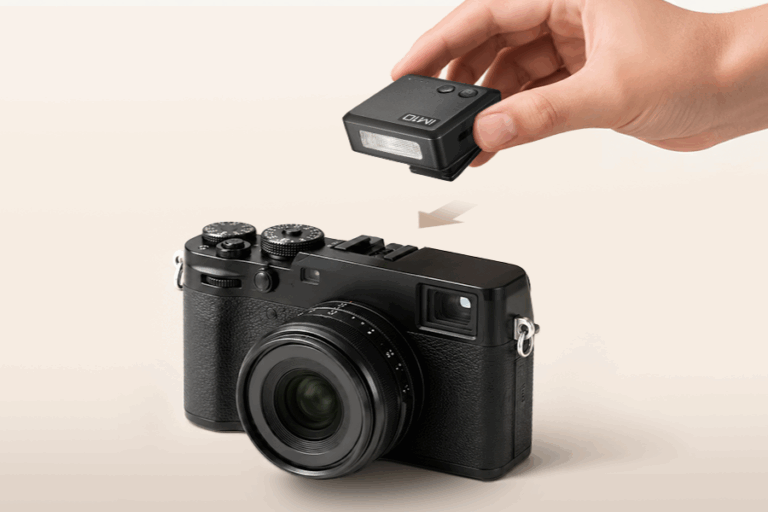 NewsGodox iM10 Is a Pocket-Sized Camera Flash Weighing Just 23g27 Oct 2026
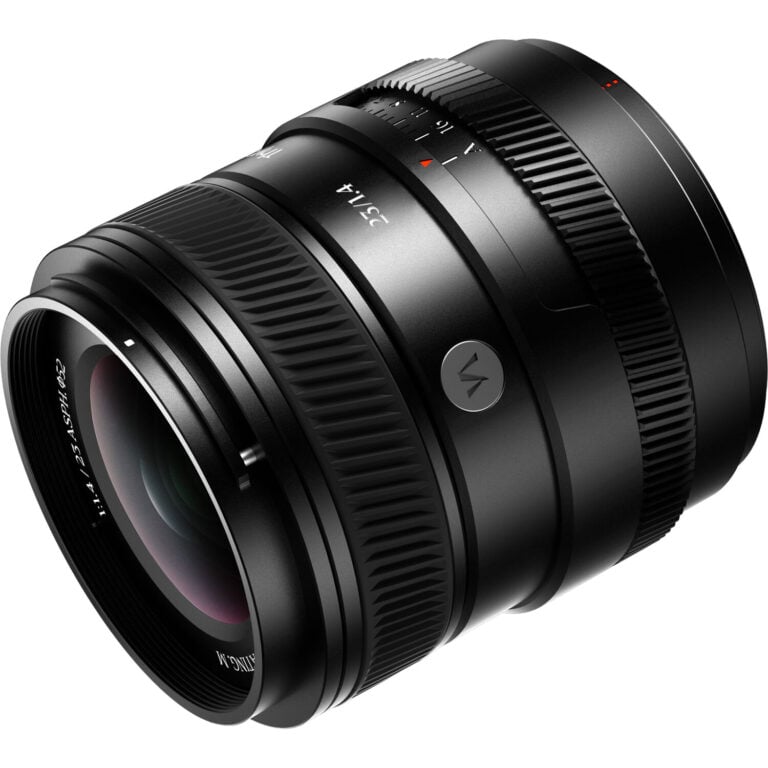 NewsThypoch Announces Sculptor AF 23mm F1.4, Its First Autofocus Prime27 Oct 2026
 NewsFujifilm Unveils Instax Mini Evo 2 With Wide-Angle Mode and Video Recording27 Oct 2026
 NewsSmallRig Sigma FP2 Cage Adds Wooden Grip and Multiple Accessory Mounts26 Oct 2026
 NewsApple’s New iPad Mini Adds OLED, A20 Pro, and IP67 Water Resistance26 Oct 2026