
DJI and Insta360 Clash in Patent Dispute Ahead of Avata 360 Launch

Imaging Resource is reader-supported. When you buy through links on our site, we may earn an affiliate commission. How this works.
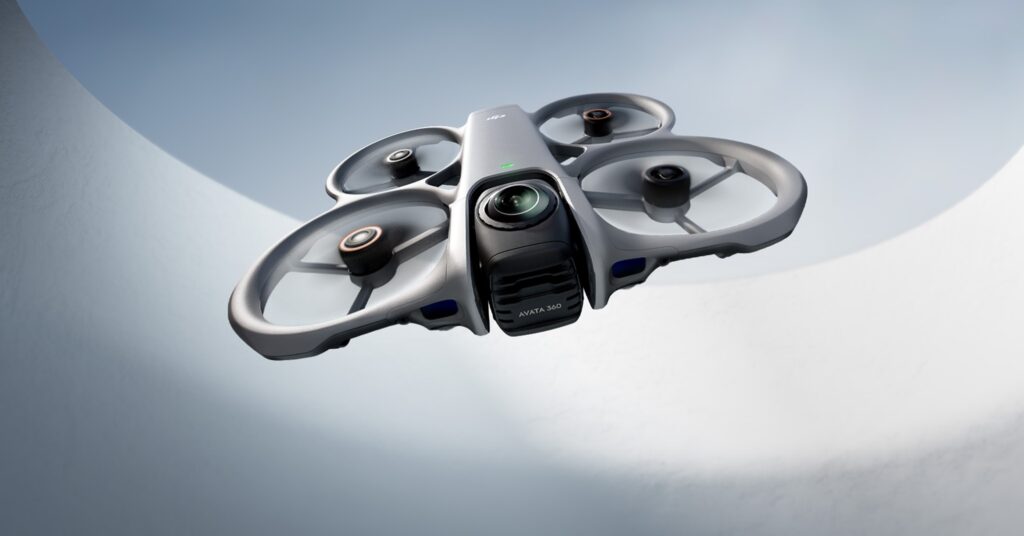
DJI has filed a patent infringement lawsuit against rival Insta360 in China, escalating tensions between the two companies just days before the anticipated launch of the Avata 360 drone.
According to a report from the South China Morning Post, DJI filed the case with the Shenzhen Intermediate People’s Court, alleging infringement across six patents related to flight control, structural design, and image processing. Both companies are headquartered in Shenzhen, a major hub for consumer imaging and drone technology.
The timing is notable, with the lawsuit reportedly filed just three days before the global debut of the DJI Avata 360, a product expected to compete directly with Insta360’s recent push into the drone category.
Dispute Centers on Former Employees and Patent Ownership
DJI’s claims reportedly include allegations that some of the disputed patents stem from work conducted by former employees within a year of leaving the company. Under Chinese intellectual property law, inventions developed within that period—if tied to prior responsibilities—may be considered the property of the original employer.
Chinese outlets, including Jiemian and Securities Times, report that DJI is also accusing Insta360 of failing to properly disclose inventors associated with the patents.
Insta360 Responds, Denies Allegations
In response, Insta360 founder and CEO Liu Jingkang disputed DJI’s claims in a statement posted on Weibo, saying the company had conducted an internal review and found the patents were independently developed.
“The evidence shows that all ideas and innovations were independently created at Insta360,” Liu wrote, adding that the most relevant patent cited—related to a one-button FPV-style “building dive”—was his own idea and ultimately not implemented in products.
Liu also rejected accusations of “hiding inventors,” describing the practice as a common measure to protect employees from recruitment pressure.
He further noted that many of the patents referenced in the lawsuit were filed more than four years ago and have not been used in current products. “Our product roadmap has changed significantly,” Liu said.
Counterclaims Highlight Broader Rivalry
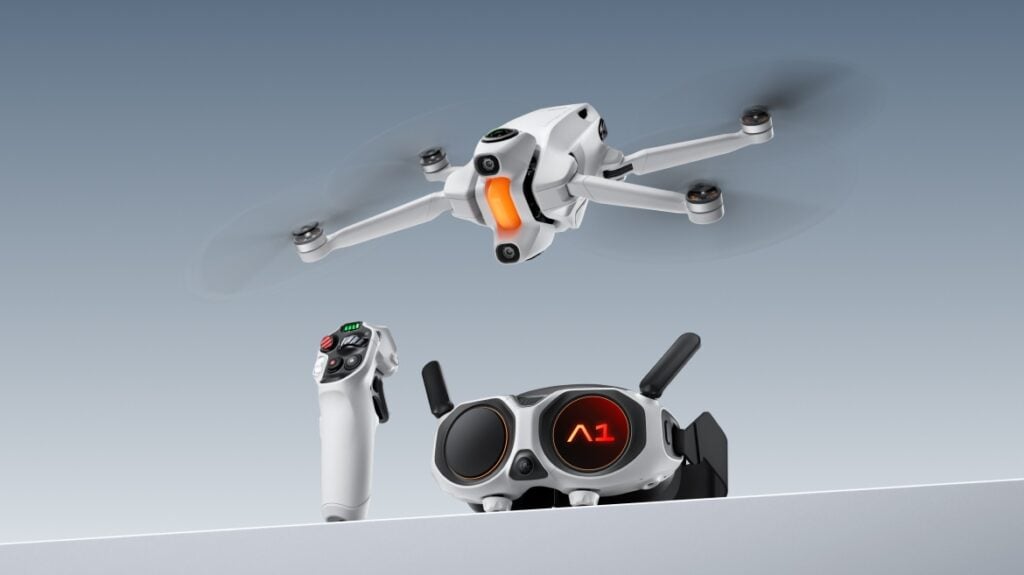
DJI alleges in its lawsuit that Insta360 has infringed some of its patents.
Insta360 also pushed back by suggesting that some of DJI’s recent products resemble its own designs. Liu claimed that certain features and accessories in DJI’s 360 and action camera lineup have been described in media reports as “similar” to Insta360’s offerings.
He added that Insta360 had identified DJI products that could potentially fall under 28 of its own patents but chose not to pursue legal action.
“We understand why established players sue when they lose market share,” Liu wrote, while emphasizing that Insta360 prefers to focus resources on research and development rather than litigation.
Expanding Competition in 360 and Action Cameras
The lawsuit comes amid intensifying competition between the two companies across multiple product categories.
DJI has expanded beyond drones into action and 360-degree cameras, including the DJI Osmo 360 and Osmo Action series. Meanwhile, Insta360 has broadened its portfolio with products like the Ace Pro lineup and recently entered the drone market with the Antigravity A1.
The expected launch of the Avata 360 would place DJI in more direct competition with Insta360’s 360-degree drone ambitions.
Market Reaction and What Comes Next
Following news of the lawsuit, Insta360’s stock reportedly fell by nearly seven points, reflecting investor concerns around the dispute.
For now, Insta360 says it will allow the legal process to proceed. The company indicated it plans to continue focusing on product development, with several new launches expected this year.
As the case unfolds, the outcome could have broader implications for intellectual property disputes within the rapidly evolving action camera and drone markets.
More in News
 NewsThypoch Sculptor AF 23mm F1.4 Debuts With Compact Design and Autofocus20 Nov 2026
 NewsNew vs used cameras: Where can photographers get the best value this Black Friday?20 Nov 2026
 NewsFujifilm Confirms December X Summit as X-T6 Announcement Speculation Grows19 Nov 2026
 NewsInstagram Now Lets Users Edit Stories Within 15 Minutes of Posting19 Nov 2026
 NewsMitakon Updates Speedmaster 65mm F1.4 With Lighter Mark II Version18 Nov 2026
 NewsXiaomi 18 Pro Series Launches Globally With Dual Displays and Leica Cameras18 Nov 2026