
US Drone Tariffs Take Effect September 3, Increasing Prices by Up to 100%

Imaging Resource is reader-supported. When you buy through links on our site, we may earn an affiliate commission. How this works.
On this page
Table of Contents
 Consumer Drones Face a 25% Tariff
Drones are about to get even more expensive in the US. After the FCC placed foreign-made drones on its Covered List, making it difficult for manufacturers to introduce new models in the country, the US government is now imposing new tariffs on imported drones and drone components.
The White House has signed a proclamation imposing tariffs ranging from 25% to 100% on foreign-made drones. The new tariffs on imported drones will take effect on September 3, 2026, adding another hurdle for companies selling drones in the US.
Consumer Drones Face a 25% Tariff
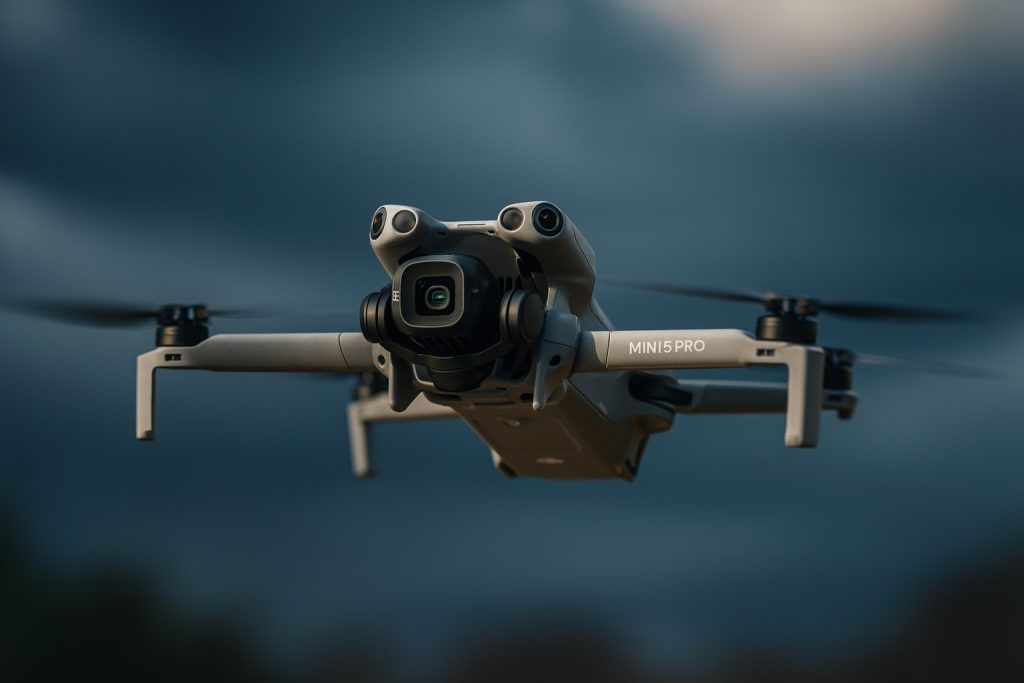
Under the new tariff structure, drones weighing less than 25kg will be subject to a 25% duty. This includes consumer drones, meaning even small sub-250g models will not be exempt.
Drones weighing more than 25kg will face a much higher 100% tariff. Drones equipped with thermal imaging systems will also automatically fall under the 100% tier regardless of their weight.
Essential drone components, including propellers, rotors, undercarriages and airframe parts, will receive a 25% tariff starting February 9, 2027.
Interestingly, the tariff on these components is based on the value of the entire aircraft rather than simply the value of the component that triggered the tariff. These duties are also added on top of existing duties, taxes and fees.
The new rules are detailed across three annexes: Annex I covers the 100% tariff tier, Annex II covers the 25% tier and Annex III covers the drone parts subject to tariffs beginning next year.
Thermal Drones Face the Highest Tariff
Thermal imaging drones are treated differently under the new rules. The presence of a thermal imaging payload overrides the weight classification, automatically putting the entire drone package into the 100% tariff tier.
This is particularly significant for professional drones used in industries such as inspection, search and rescue, agriculture and public safety, where thermal cameras are commonly used.
The tariff applies to the entire aircraft rather than simply the value of the thermal imaging equipment.
Even Sub-250g Drones Are Affected
Small drones aren’t getting an exemption either.
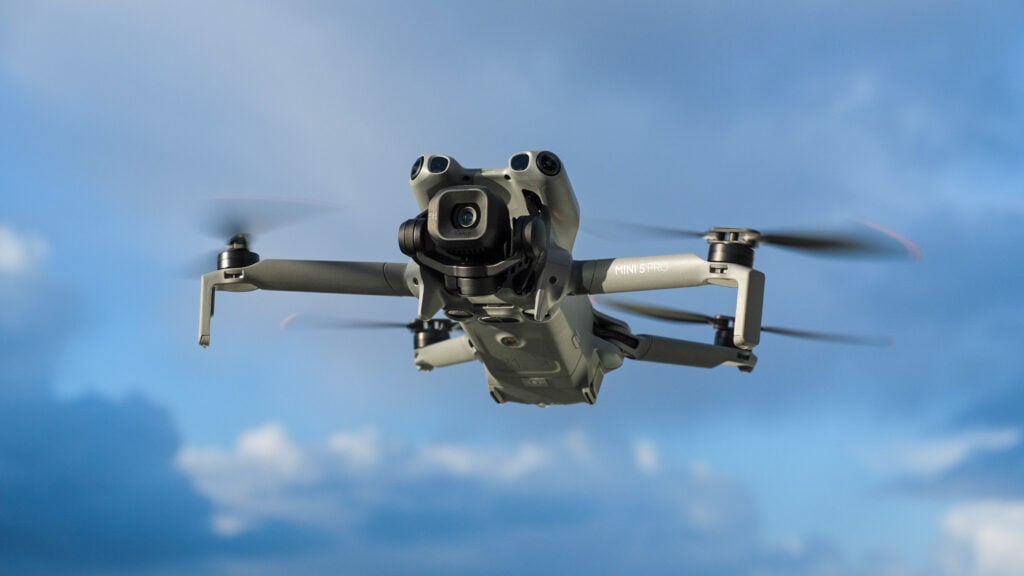
Drones in the sub-250g category will still be subject to the 25% tariff. That includes popular lightweight models such as DJI’s Mini, Neo and Flip series, as well as newer products such as the Antigravity A1, HoverAir Aqua and HoverAir Versa.
This means that one of the most accessible categories of drones for casual users will also become more expensive once the tariffs take effect.
Some US Allies Get Lower Tariffs
There are exceptions for products originating from several US allies.
Drones from Japan, South Korea, Taiwan, Switzerland, Liechtenstein and the European Union will face a maximum tariff rate of 15%, while products from the United Kingdom will have a maximum rate of 10%.
However, importers need to certify that substantially all critical components and technology originate in the US or qualifying partner countries.
The Secretary of Commerce has been tasked with establishing a process for determining whether products meet these requirements and informing US Customs and Border Protection. That process has not yet been established, which could make it difficult for manufacturers and importers to determine which rate applies.
The proclamation also notes that many commercial and industrial drones, including those assembled domestically, rely on foreign-made components. As a result, simply assembling a drone in the US may not be enough to qualify for the lower tariff rates.
DJI Faces Another Problem in the US
The new tariffs add another problem for DJI, which is already facing significant regulatory restrictions in the US.
DJI remains on the FCC Covered List, meaning the company cannot obtain equipment authorization for new models. As a result, new DJI drones will still be unable to officially enter the US market.
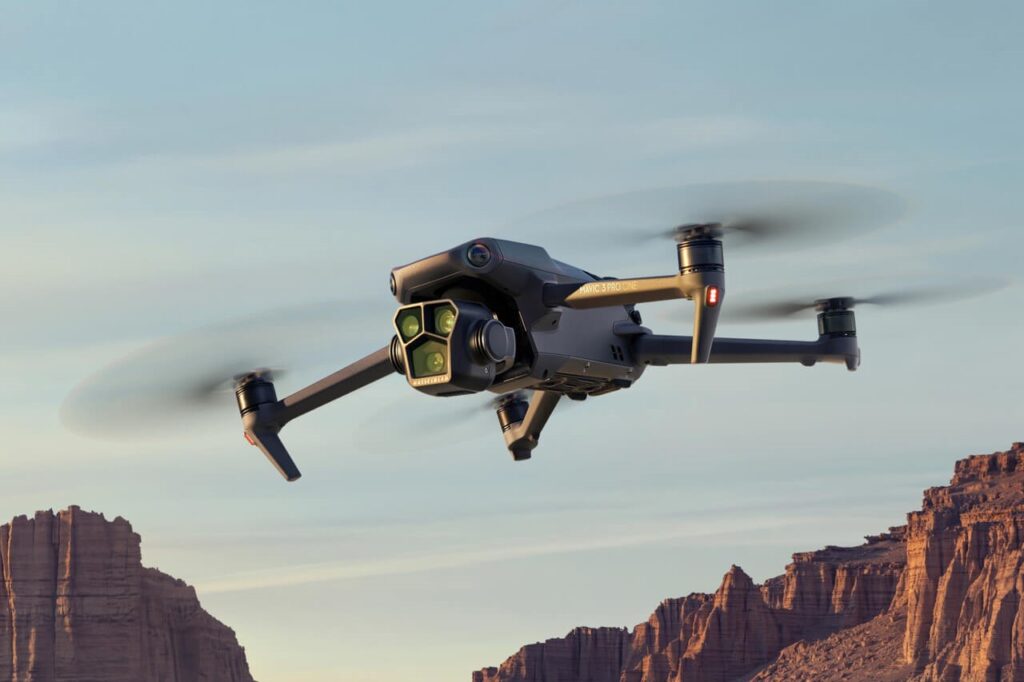
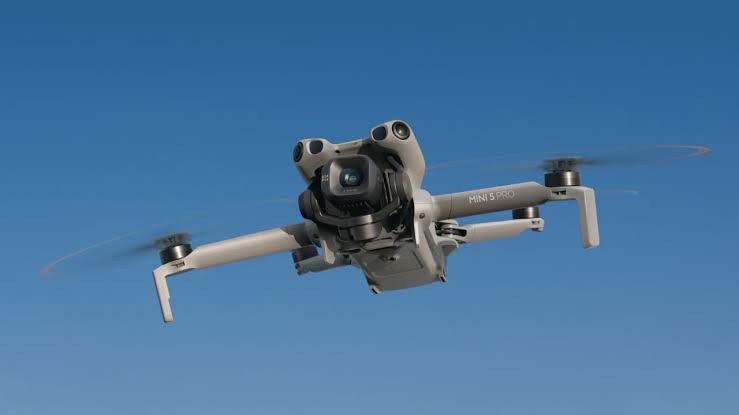
However, the tariffs will affect DJI drones that are already authorized for sale in the country. Models such as the Air 3S, Mini 5, Avata 2 and Mavic 3 Pro could become more expensive once the new duties take effect.
DJI is also facing additional pressure from the FCC, which is seeking public comments on whether to prohibit the continued importation and marketing of certain already-authorized “military grade” drones. The proposed category includes drones equipped with thermal imaging and LiDAR systems.
LiDAR is particularly important for professional drones because it can be used for mapping and obstacle-avoidance systems.
Another Blow for the US Drone Market
The new tariffs are the latest in a series of US measures targeting foreign-made drones.
The FCC previously added foreign-made drones to its Covered List, restricting new models from receiving authorization for sale in the US. The agency has also taken enforcement action against companies suspected of selling rebranded DJI technology.
Now, even drones that remain legal to sell in the US will become more expensive.
For consumers, that means the US drone market is facing a difficult combination of fewer available models and higher prices. The 25% tariff on consumer drones takes effect September 3, while the higher 100% rate will apply to heavier and thermal-equipped drones.
More in News
 NewsFujifilm Confirms December X Summit as X-T6 Announcement Speculation Grows19 Nov 2026
 NewsInstagram Now Lets Users Edit Stories Within 15 Minutes of Posting19 Nov 2026
 NewsMitakon Updates Speedmaster 65mm F1.4 With Lighter Mark II Version18 Nov 2026
 NewsXiaomi 18 Pro Series Launches Globally With Dual Displays and Leica Cameras18 Nov 2026
 NewsCanon Issues Service Notice Over Potentially Dangerous RF Teleconverter Locking Issue18 Nov 2026
 NewsNikon Confirms ZR Firmware 2.00 Release Date and Major Video Updates17 Nov 2026