
DJI Calls on Customers to Push Back Against Latest FCC Drone Restrictions

Imaging Resource is reader-supported. When you buy through links on our site, we may earn an affiliate commission. How this works.
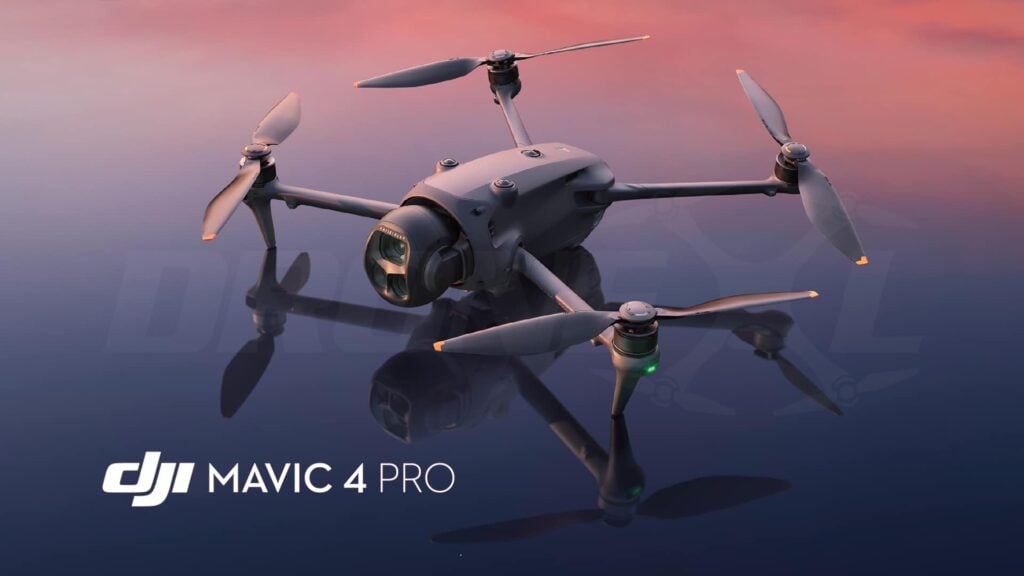
DJI is stepping up its response to the latest FCC proposal that could restrict the sale and import of some of its drones already approved for the US market. The company is now urging customers and drone operators to tell the FCC how the proposed restrictions could affect their businesses and communities.
The FCC is considering whether to prohibit the future importation and marketing of certain foreign-made drones that were previously authorized for sale in the US. The proposal is aimed at drones with capabilities the agency considers “military-grade,” but DJI and drone industry advocates argue that the definition could sweep in products used by hobbyists, farmers, small businesses and public safety agencies.
FCC Wants Public Input on Proposed Drone Restrictions
The FCC is currently asking for public comment on the real-world impact of its latest proposal. The comment period is scheduled to remain open until September 2, 2026.
While the proposal is framed around “military-grade” capabilities, the criteria reportedly include technologies such as thermal imaging and LiDAR. It could therefore affect drones that use these systems for applications such as obstacle avoidance, inspection, agriculture, and search and rescue.
This is particularly significant because the FCC’s proposal could reach drones that had already been authorized for sale in the US, rather than only preventing authorization of new models.
Businesses and public safety programs are at risk of shutting down. Alternatives costing significantly more. These are just some of the real-world impacts drone users have shared with the FCC.
Now it’s your turn. Tell the FCC what their latest proposed restrictions on DJI… pic.twitter.com/45gJ6AWKdp
— DJI (@DJIGlobal) August 13, 2026
DJI Asks Customers to Speak Out
DJI is now encouraging its US customers to participate in the FCC’s comment process.
“Businesses and public safety programs are at risk of shutting down. Alternatives costing significantly more. These are just some of the real-world impacts drone users have shared with the FCC,” DJI said in a recent post.
The company then urged users to explain how the proposed restrictions would affect their businesses, communities or livelihoods.
DJI has also highlighted comments submitted by drone operators. One example came from Ryan Gillmor of the Law Enforcement Drone Association – Ohio, who said removing existing tools without equivalent replacements could reduce the effectiveness of emergency response operations.
Another operator, Charles Porter of Sky Safari Drones, said there are currently no comparable US-made drones that meet his needs and that alternatives can cost significantly more.
The Drone Advocacy Alliance is similarly encouraging drone pilots of all experience levels to submit comments. The organization says users can explain how they use their drones and how the FCC’s decision could affect their work, family or community.
The Latest Step in the FCC’s DJI Crackdown
This is not the first time the FCC has asked the public for input on restrictions affecting DJI and other foreign-made drones.
The agency has been steadily increasing its scrutiny of DJI following its broader restrictions on foreign-made unmanned aircraft systems. The FCC has also taken enforcement action against companies suspected of marketing DJI technology under different brands.
Earlier this year, the agency sought public comment on DJI’s security assessment, with submissions accepted through August 28.
More recently, the FCC proposed penalties against companies accused of failing to respond to inquiries about their marketing and importation of wireless products. There were several companies, including Xtra Technology, that were named in the enforcement action.
The latest proposal takes the situation a step further because it could potentially affect products that have already received FCC authorization.
What This Could Mean for DJI Users
For current DJI owners, the immediate situation is less dramatic than a full ban. The current proposal is focused on future importation and marketing of affected products, rather than requiring users to surrender drones they already own.
However, restricting future sales could make certain DJI drones and replacement equipment increasingly difficult to obtain in the US. That could be particularly problematic for businesses and public safety agencies that rely on specialized capabilities such as thermal imaging.
DJI argues that US operators would ultimately bear the cost of finding alternatives, particularly when comparable systems are considerably more expensive.
The FCC’s latest proposal is still just that—a proposal. No final ban has taken effect, and the agency is currently collecting public input.
For DJI users who depend on their drones for work or other important applications, this is therefore an opportunity to make their experiences known before the September 2 deadline.
More in News
 NewsSigma Announces Vintage-Style 50mm F1.4 CL DG Contemporary Lens23 Oct 2026
 NewsSigma FP2 Combines Compact Design, Partially Stacked Sensor, and ProRes RAW23 Oct 2026
 NewsOPPO Find X10 Pro Max Launches With Triple 200MP Cameras and 8K Video22 Oct 2026
 NewsGoPro and PolarPro Release Close-Up Filters for Mission 1 Action Cameras22 Oct 2026
 NewsInsta360 Launches New Wireless Mic With 32-Bit Float Recording and AI Noise Cancellation22 Oct 2026
 NewsFrench Digital Rangefinder Maker Pixii Faces Judicial Liquidation21 Oct 2026