
Sony Unveils LYTIA 720 With 4K60p HDR Video and All-Pixel Autofocus

Imaging Resource is reader-supported. When you buy through links on our site, we may earn an affiliate commission. How this works.
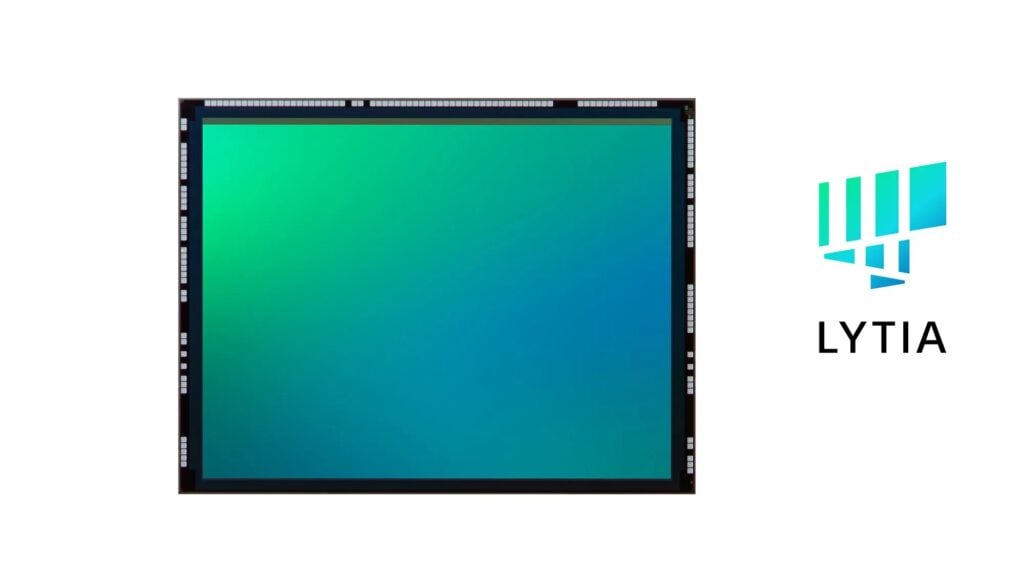
Sony has expanded its smartphone image sensor lineup with the new LYTIA 720, a 50-megapixel sensor designed for mobile cameras. The company says the new sensor improves low-light performance and dynamic range while supporting 4K video recording at 60 frames per second with HDR enabled.
The LYTIA 720 is designed primarily for smartphone main cameras and incorporates imaging technologies from Sony’s higher-end LYTIA sensors. Its combination of resolution, noise reduction, and video capabilities is intended to deliver better image quality across a range of shooting conditions.
Improved Low-Light Performance and Dynamic Range
Sony says its proprietary low-noise circuit technology reduces random noise in dark environments by approximately 50% compared with conventional sensors. The company also claims the sensor achieves a dynamic range of 100dB through HDR compositing technology.
These improvements are intended to help preserve detail in shadow areas while managing bright highlights, particularly in challenging lighting conditions. Sony says the technology benefits both still photography and video recording.
The sensor also supports 4K60p HDR video with all-pixel autofocus. According to Sony, optimizations to its analog-to-digital conversion circuits allow the sensor to record at 60 frames per second while maintaining autofocus across all pixels and keeping HDR enabled.
A 1/1.56-Inch Sensor for Smartphones
The LYTIA 720 uses a 1/1.56-inch sensor format, a size commonly found in smartphone cameras. Its 50-megapixel resolution offers manufacturers flexibility when processing images, including the option to combine multiple pixels for improved performance in low light.
The sensor is smaller than Sony’s higher-end LYTIA 901 and LYTIA 910 models. The LYTIA 901 uses a 1/1.12-inch sensor with 200-megapixel resolution, while the LYTIA 910 features a 1/1.28-inch, 50-megapixel sensor with LOFIC technology.
Given its size and feature set, the LYTIA 720 could be used in the main cameras of midrange Android smartphones or as a telephoto sensor in higher-end devices. However, Sony has not announced specific smartphone models that will use it.
Successor to the LYTIA 700
The LYTIA 720 replaces the LYTIA 700 in Sony’s sensor lineup. Sony positions the new sensor as an upgrade in low-light performance and dynamic range, alongside its support for 4K60p HDR recording with all-pixel autofocus.
The improvements could help smartphone manufacturers deliver more consistent image quality in difficult lighting without relying entirely on computational processing.
Availability
Sony says mass-production shipments of the LYTIA 720 are scheduled to begin early next month. The sensor is expected to appear in smartphones launching over the following year, although manufacturers and specific device release dates have not yet been announced.
More in News
 NewsApple Introduces Touchscreen MacBook Pro With M5 Pro and M5 Max28 Oct 2026
 NewsApple Announces New 14-Inch MacBook Pro With M6 Chip27 Oct 2026
 NewsGodox iM10 Is a Pocket-Sized Camera Flash Weighing Just 23g27 Oct 2026
 NewsThypoch Announces Sculptor AF 23mm F1.4, Its First Autofocus Prime27 Oct 2026
 NewsFujifilm Unveils Instax Mini Evo 2 With Wide-Angle Mode and Video Recording27 Oct 2026
 NewsSmallRig Sigma FP2 Cage Adds Wooden Grip and Multiple Accessory Mounts26 Oct 2026