
OM System Launches OM-3 Astro, a Mirrorless Camera Built for Astrophotography

Imaging Resource is reader-supported. When you buy through links on our site, we may earn an affiliate commission. How this works.
On this page
Table of Contents
 A Sensor Tuned for the Night Sky
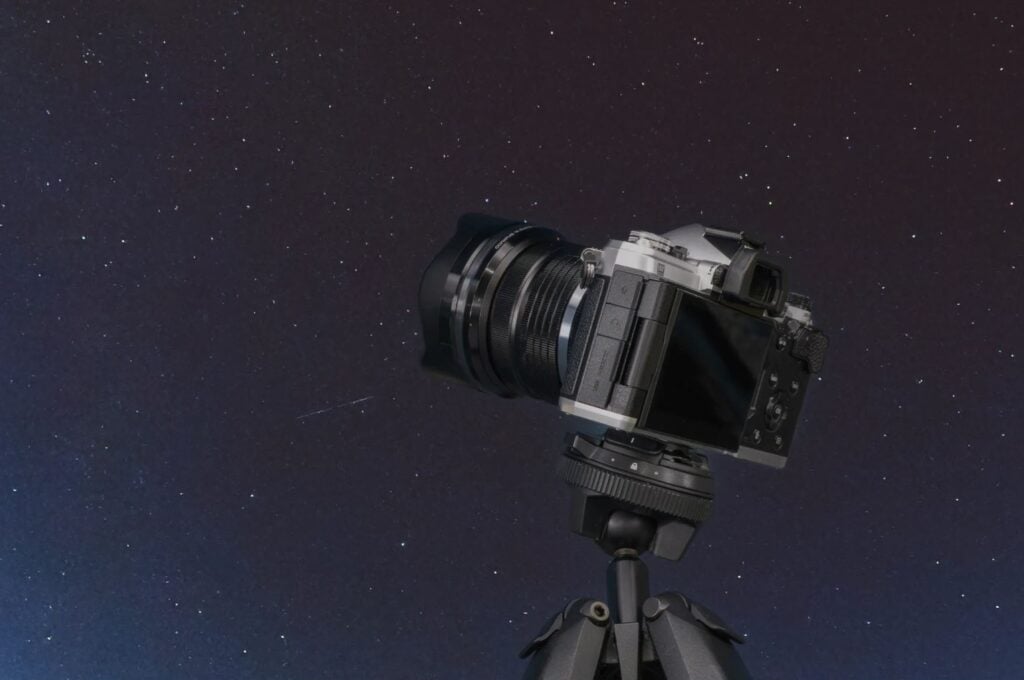
OM System has announced a new astrophotography-focused version of the OM-3, aptly named the OM-3 Astro. The new camera builds on the base OM-3 platform with specialized features aimed at night sky shooters, including a modified sensor and new color profiles designed specifically for astrophotography.
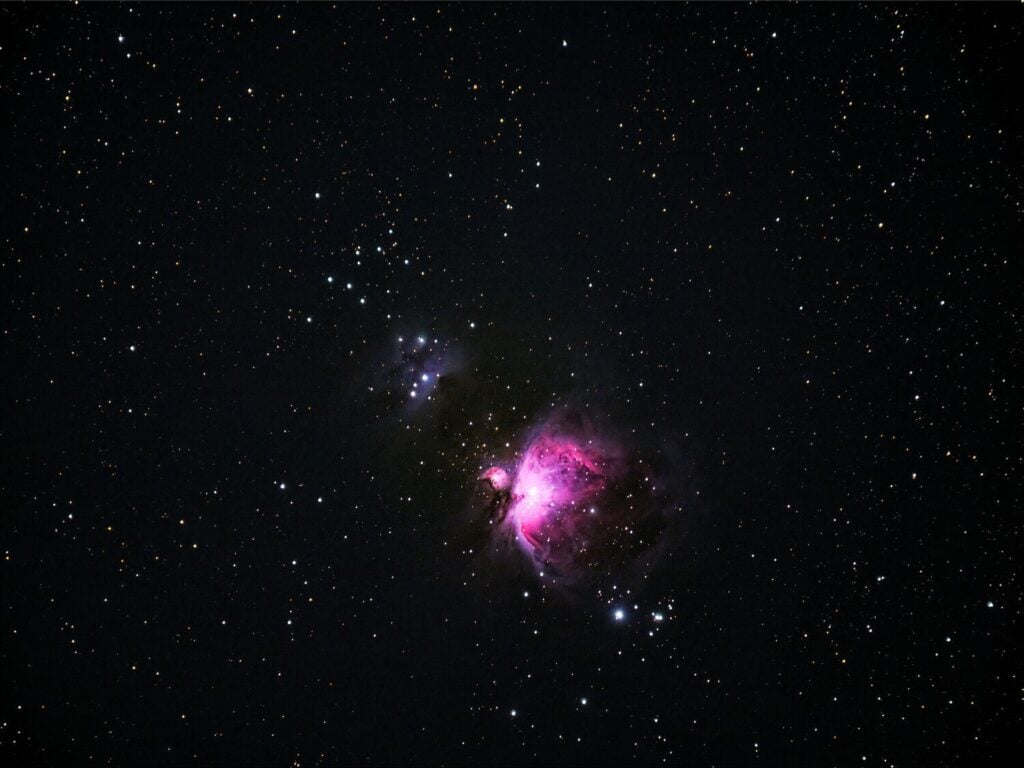
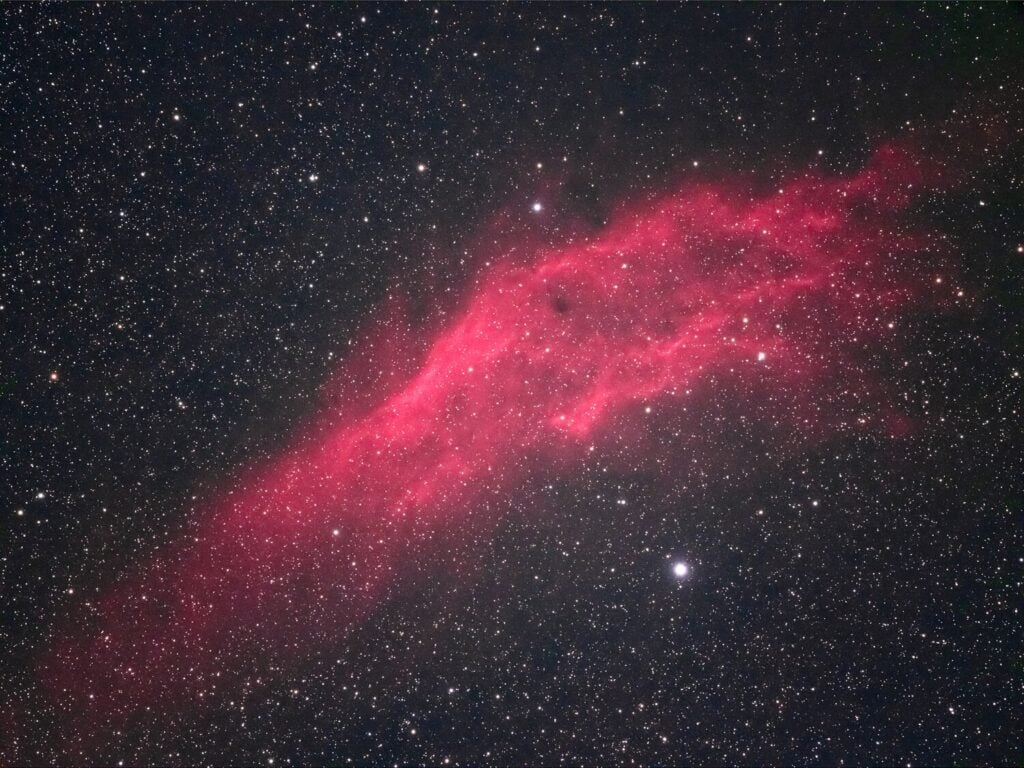
The most notable change in the OM-3 Astro is the filter in front of the sensor. Unlike standard cameras that block much of the hydrogen-alpha spectrum, the OM-3 Astro allows full transmission of Hα wavelengths, which makes it possible to capture the deep reds and pinks found in emission nebulae. These colors are typically muted or lost entirely on standard digital cameras.
A Sensor Tuned for the Night Sky
The OM-3 Astro uses a 20.4-megapixel stacked BSI Micro Four Thirds sensor paired with the new filter configuration. According to OM System, this setup allows the camera to “vividly capture the beautiful shapes and colors of nebulae emitting Hα light, which are difficult to photograph with standard digital cameras.”
To complement the sensor, OM System has also introduced new color profiles tailored for night shooting. The new COLOR1 profile is designed specifically for astrophotography, while COLOR2 is optimized for starry landscape photography, giving users more control over how the night sky is rendered straight out of camera.

Astrophotography Features Built In
The base OM-3 already includes several features popular with night sky photographers, and these carry over to the Astro version. Starry Sky AF allows the camera to autofocus directly on stars, removing the need to rely entirely on manual focus. Live Composite mode makes it possible to build up long exposures in-camera without blowing out highlights, while Night Vision mode overlays the interface in red to help preserve the photographer’s night-adapted vision.
The camera also supports High-Res Composite shooting, including a handheld High-Res mode, which combines 12 images into a single 50-megapixel file in-camera. OM System explains that when this mode is used on a tripod or equatorial mount, it can replicate stacking techniques commonly used in astrophotography. In addition to increasing detail, this approach also helps reduce image noise and corrects for the apparent motion of the stars across the night sky.
The OM-3 Astro is clearly designed with star photography in mind, and that shows in the way the mode dial is configured. The C1, C2, and C3 custom modes provide quick access to astrophotography-specific setups. C1 is intended for stacking deep-sky shots, C2 is optimized for stacking starry landscapes, and C3 is geared toward handheld shooting of starry scenes.
New Body Mount Filters
Alongside the camera, OM System is also introducing two new body mount filters designed specifically for astrophotography. These filters mount between the camera body and the lens, which means they can be used with virtually any lens, including fast ultrawide lenses with bulbous front elements.
The BMF-LPC01 Body Mount Light Pollution Suppression Filter is designed to reduce the effects of light pollution, which is often most noticeable near the horizon. This makes it particularly useful for photographing stars and celestial objects as they rise or set.
The BMF-SE01 Body Mount Soft Filter takes a different approach, slightly blurring and emphasizing point light sources so that stars appear larger and more prominent. Brighter stars are rendered with a stronger effect, which helps emphasize their size and color in the final image.
These new body mount filters are compatible not only with the OM-3 Astro, but also with the standard OM-3, the OM-1, OM-1 Mark II, and the Olympus E-M1 Mark III.
Pricing and Availability
The OM System OM-3 Astro is priced at $2,499.99 and is set to become available in March, with pre-orders now open at B&H Photo. The BMF-LPC01 filter is priced at $399.99, while the BMF-SE01 filter will sell for $229.99.
Sample Images from the OM System OM-3 Astro



More in News
 NewsSigma Announces Vintage-Style 50mm F1.4 CL DG Contemporary Lens23 Oct 2026
 NewsSigma FP2 Combines Compact Design, Partially Stacked Sensor, and ProRes RAW23 Oct 2026
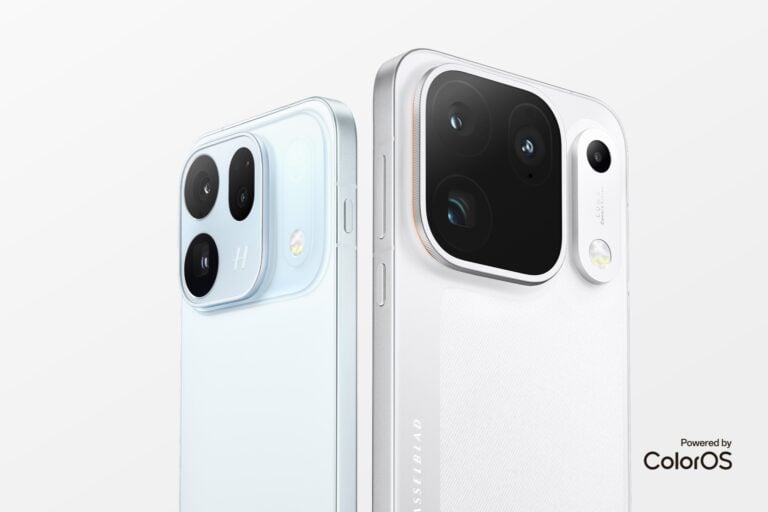 NewsOPPO Find X10 Pro Max Launches With Triple 200MP Cameras and 8K Video22 Oct 2026
 NewsGoPro and PolarPro Release Close-Up Filters for Mission 1 Action Cameras22 Oct 2026
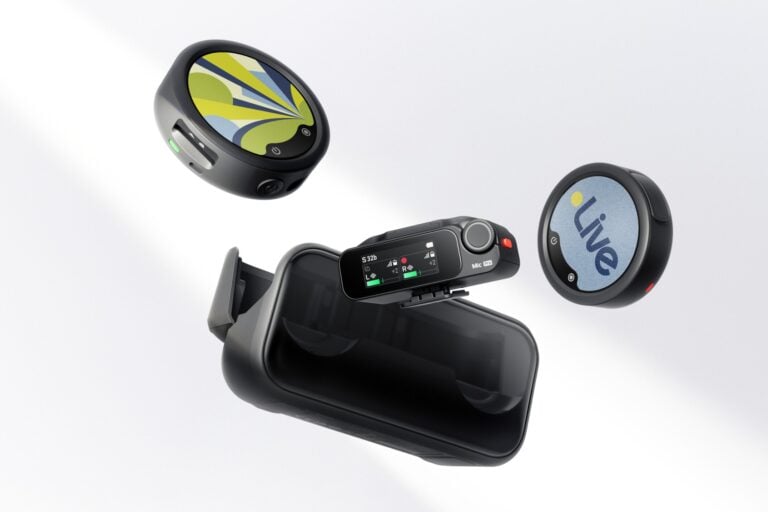 NewsInsta360 Launches New Wireless Mic With 32-Bit Float Recording and AI Noise Cancellation22 Oct 2026
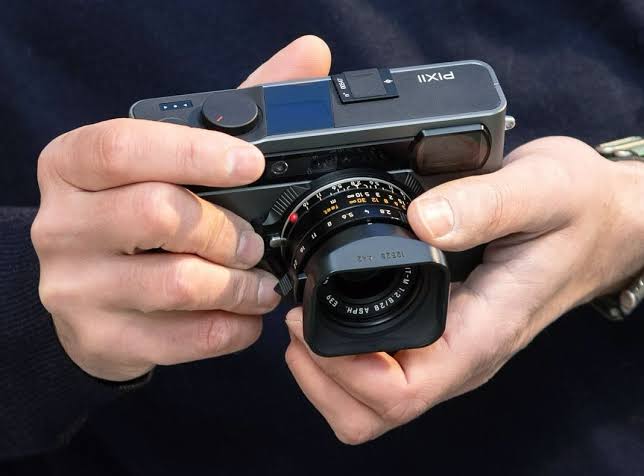 NewsFrench Digital Rangefinder Maker Pixii Faces Judicial Liquidation21 Oct 2026