
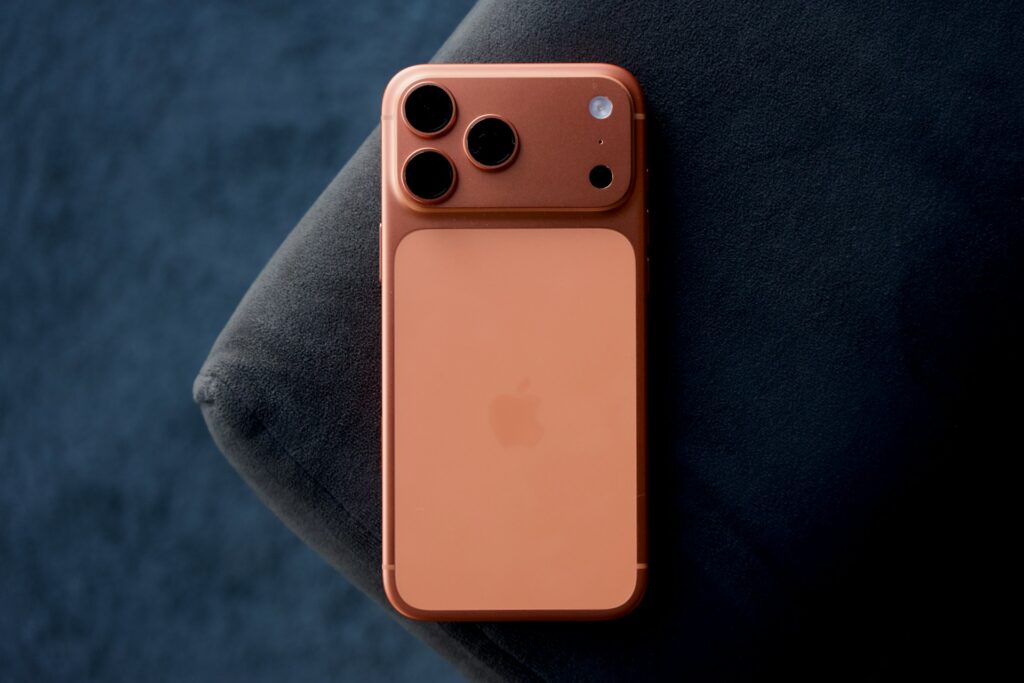
The iPhone 20 could be Apple’s biggest redesign in years, but there’s one camera upgrade I really want

Imaging Resource is reader-supported. When you buy through links on our site, we may earn an affiliate commission. How this works.
 Better photography shouldn’t always mean buying the Pro
Apple’s 20th anniversary iPhone is already firmly in people’s minds, with rumors pointing toward a dramatic redesign in 2027. But while curved glass and an almost borderless display might grab the headlines, there’s something else I’d love to see: Apple’s best camera controls becoming available to more iPhone users.
The device, currently being referred to as the iPhone 20, could mark two decades since the original iPhone arrived in 2007. Reports have suggested Apple might skip the iPhone 19 name entirely, although nothing has been confirmed. Much of the speculation has focused on a potentially all-glass design, with curved edges and a more seamless display. That’s exciting, but for photographers, I’d argue there’s a more practical opportunity.
Better photography shouldn’t always mean buying the Pro
The iPhone 18 Pro and Pro Max introduced one of Apple’s most interesting photography upgrades in years – a variable aperture on the main camera. Unlike a fixed-aperture lens, this system can physically adjust how much light enters the camera, giving photographers greater control over exposure and depth of field.
Apple also introduced new Pro controls, allowing users to adjust aperture, shutter speed, and white balance directly in the Camera app, alongside a histogram for monitoring exposure. These are meaningful additions for anyone who enjoys taking photographs rather than simply pointing their phone and letting the software make every decision. But they’re currently exclusive to Apple’s Pro models. That’s what I’d like to see change with the next generation.
I’d love to see Apple bring more of its manual camera experience to less expensive models, even if that doesn’t mean giving every iPhone the same variable-aperture hardware. Being able to choose a shutter speed, adjust white balance, or monitor exposure with a histogram would make the standard iPhone more appealing to people learning photography. It could also give enthusiasts more flexibility without requiring them to spend Pro-level money.
More in News
 NewsSony FX5 Starts Shipping in Europe, North American Deliveries Expected November 8–93 Nov 2026
 NewsAffinity for iPad Launches With Free Photo Editing, Vector Design, and Layout Tools3 Nov 2026
 NewsFujifilm X-T6 Rumored to Be Delayed Again3 Nov 2026
 NewsThe Insta360 Ace Pro 3 is rumored to be coming, but there’s one upgrade we really hope to see3 Nov 2026
 NewsCanon Warns Camera Prices Could Rise in 2027 if Memory Costs Remain High2 Nov 2026
 NewsNikon Raises Full-Year Operating Profit Forecast by 50%, but Cuts Camera Outlook2 Nov 2026